

Blog
Ribeye Steak Recipe: Reverse Seared to Perfection

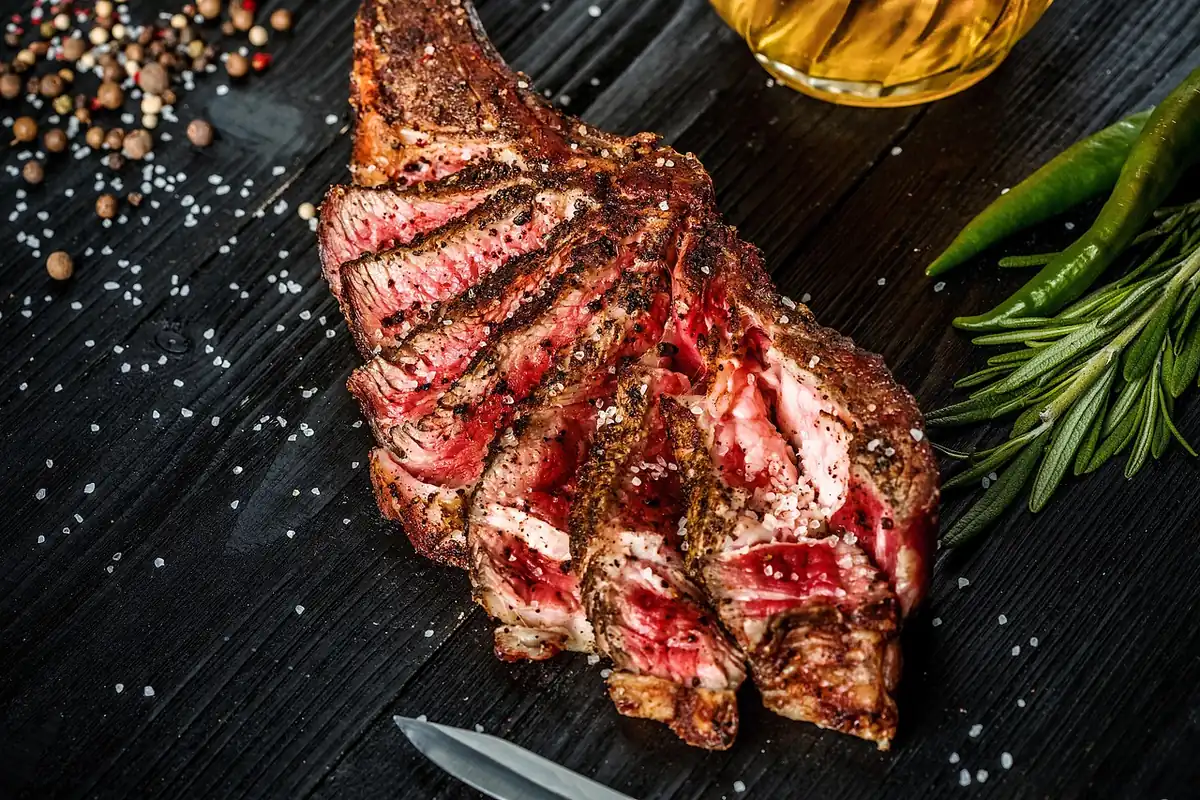
This ribeye steak recipe uses the reverse sear: you cook a thick, well-marbled ribeye slowly in a 250°F (120°C) oven until it’s almost done, then give it a short, very hot sear in a cast iron skillet with butter, garlic and thyme. The result is a steak that’s evenly pink from edge to edge, with a dark, crisp crust and none of the wide gray band you get from searing first.
Below you’ll learn how to choose a ribeye (bone-in or boneless, grades and marbling), how to dry brine it, how long it takes by thickness, which temperatures to pull it at, and how to fix the most common problems. There’s also a grill version and a printable recipe card for 2 thick steaks that serve 4.
Why You’ll Love This Ribeye Steak Recipe
A ribeye steak is the richest, juiciest cut in the butcher case. The reverse sear makes a thick one easier to cook well, because the gentle oven heat gives you a wide window to hit your target.
- Even doneness: the low oven warms the steak slowly, so the center and edges finish at nearly the same temperature.
- A better crust: the surface dries out in the oven, so it browns in about a minute per side instead of steaming.
- Less guesswork: a slow climb in temperature makes it hard to overshoot. A thermometer tells you exactly when to move on.
- Rendered fat: the time in the oven softens the thick ribbons of fat in a ribeye, so they turn tender instead of chewy.
- Little resting needed: a reverse-seared steak has already relaxed in the oven, so it loses very little juice when you slice it.
- Simple ingredients: salt, pepper, oil, butter, garlic and thyme. The beef does the rest.
How to Choose a Ribeye Steak
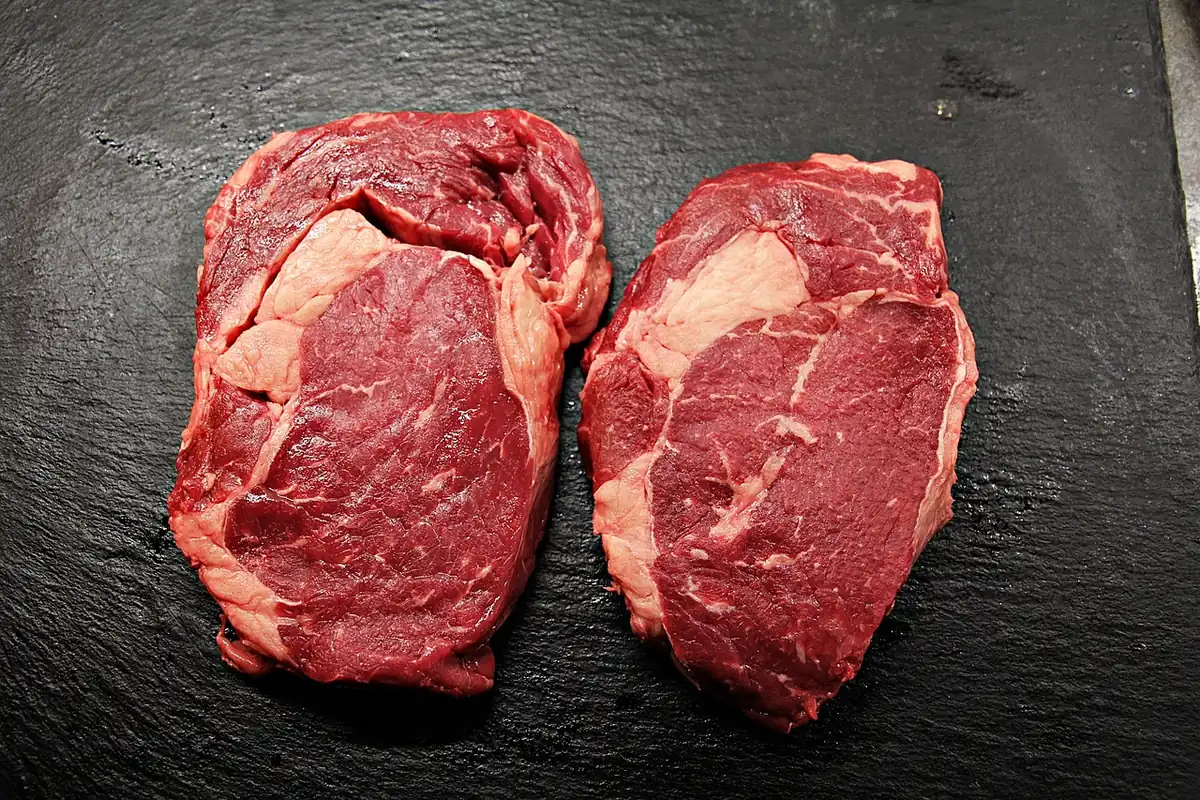
The ribeye comes from the rib section, between the chuck and the loin. It has three parts: the large central eye, the curved cap (the spinalis, often called the best bite on the whole animal) and a strip of fat between them. A rib eye steak has more marbling than a strip or sirloin, which is why it tastes so beefy and stays juicy.
Bone-in vs. boneless
| Type | Also called | Good to know |
|---|---|---|
| Boneless ribeye | Delmonico, Spencer steak, Scotch fillet | Cooks evenly, easy to sear flat and easy to slice. Used in the recipe card. |
| Bone-in ribeye | Rib steak, cowboy steak | The meat near the bone cooks a little slower; plan 5 to 10 extra minutes in the oven. |
| Tomahawk | Long-bone ribeye | A bone-in ribeye with the full rib bone left on. Mostly for looks; it may not fit a 12-inch skillet. |
The bone adds little flavor, but it insulates the meat next to it. Choose either; a bone-in ribeye steak simply weighs more for the same amount of meat.
Grades and marbling
- USDA Prime: the most marbling, mostly sold to restaurants and warehouse clubs. Very rich and forgiving.
- USDA Choice: the most common grade in supermarkets. Look for upper Choice steaks with plenty of fine white flecks through the eye.
- USDA Select: lean for a ribeye and less tender. Dry brining and a careful cook help, but Choice is worth the small extra cost.
Look for fine, evenly spread marbling rather than one or two thick seams of fat. Bright red meat, a firm texture and a large cap are all good signs.
Thickness matters most
For the reverse sear, buy steaks 1½ to 2 inches (4 to 5 cm) thick. Thinner steaks cook through too fast in the oven and are better seared straight in the pan, as in our cast iron skillet steak. Ask the butcher to cut two thick steaks rather than buying four thin ones; two 1-pound steaks feed four people well.
Ingredients for Ribeye Steak
You need very little. Exact amounts are also in the recipe card at the bottom.
For the steaks
- 2 boneless ribeye steaks, 1½ to 2 inches thick, about 1 lb (450 g) each. Bone-in steaks of about 1¼ lb (565 g) each also work.
- Diamond Crystal kosher salt, 2½ teaspoons (or 1¼ teaspoons table salt or Morton kosher salt). That is roughly ¾ teaspoon of Diamond Crystal per pound of meat.
- Black pepper, 1 teaspoon, coarsely ground.
- Neutral high-heat oil, 1 tablespoon (15 ml), such as avocado, canola or peanut oil.
For the butter baste
- Unsalted butter, 3 tablespoons (42 g).
- Garlic, 3 cloves, lightly smashed with the skin left on or off.
- Fresh thyme, 4 sprigs, or 2 sprigs of rosemary.
- Flaky salt, to finish (optional).
Want more seasoning? Salt and pepper let the beef shine, but a ribeye also takes a bolder rub well. Our steak seasoning recipe mixes garlic, onion, paprika and herbs; add it after the dry brine, just before the steaks go into the oven, and skip any extra salt.
Equipment You Need
- A rimmed baking sheet with a wire rack, so air can reach every side of the steak.
- A 12-inch cast iron skillet, or a heavy carbon steel or stainless pan. Cast iron holds the most heat for the sear.
- A probe or instant-read thermometer. A leave-in probe with an alarm is the easiest way to know when to pull the steaks.
- Tongs and a large spoon for basting.
- A cutting board and a sharp knife.
How to Make Ribeye Steak (Step by Step)
This ribeye steak recipe takes a little planning: the dry brine needs at least 1 hour, and overnight is better. Oven time depends on thickness, so check the chart below.
1. Dry brine the steaks
Pat the steaks dry with paper towels. Sprinkle the kosher salt evenly over every side, including the edges, and set them on the wire rack over the baking sheet. Refrigerate them uncovered for 1 to 24 hours.
- At first the salt pulls moisture to the surface.
- After about 40 minutes that salty liquid starts to soak back into the meat.
- Overnight the salt seasons deeper and the surface dries, which gives a faster, darker sear.
Short on time? Salt the steaks right before they go into the oven. Avoid salting 10 to 40 minutes ahead, when the surface is wet.
2. Bake low and slow
Heat the oven to 250°F (120°C) with a rack in the center. Season the steaks with pepper and slide the whole rack and sheet into the oven; no need to bring them to room temperature first. Insert the probe sideways into the center of the thickest steak.
Cook until the center reads about 115°F (46°C) for medium-rare, or 10°F to 15°F below your final target. A 1½-inch steak takes about 35 to 45 minutes; a 2-inch steak about 50 to 65 minutes.
3. Heat the skillet
When the steaks are about 10 minutes from their target, set the cast iron skillet over medium-high heat. After 5 minutes, add the oil. It’s ready when the oil shimmers and the first wisps of smoke appear.
4. Sear and butter baste
- Pat the steaks dry and lay them in the skillet, away from you. Sear for 45 to 60 seconds without moving them.
- Flip and sear the second side for another 45 to 60 seconds.
- Lower the heat to medium. Add the butter, garlic and thyme.
- Tilt the pan and spoon the foaming butter over the steaks for 30 to 45 seconds.
- Hold each steak on its side with tongs to render and brown the fat cap for 20 to 30 seconds.
The whole sear should take about 3 minutes. Any longer and the gray band you avoided in the oven starts to form. If your skillet can’t fit both steaks with an inch of space around them, sear them one at a time.
5. Rest briefly and slice
Move the steaks to a cutting board and rest them for 3 to 5 minutes. Slice against the grain into ½-inch (1 cm) slices, cutting the cap and the eye separately if you like. Spoon the garlic butter over the top and finish with flaky salt.
Reverse Sear Time Chart by Thickness
Use these times as a guide only. Oven accuracy and the bone change how fast a ribeye steak cooks, so go by the thermometer.
| Thickness | Oven at 250°F (120°C) to 115°F center | Oven to 130°F center (for 145°F) | Sear |
|---|---|---|---|
| 1½ inches (4 cm) | 35 to 45 minutes | 45 to 55 minutes | About 3 minutes total |
| 1¾ inches (4.5 cm) | 40 to 55 minutes | 50 to 65 minutes | About 3 minutes total |
| 2 inches (5 cm) | 50 to 65 minutes | 60 to 75 minutes | 3 to 4 minutes total |
| 2½ inches (6 cm), bone-in | 65 to 80 minutes | 75 to 95 minutes | 3 to 4 minutes total |
These times assume steaks straight from the fridge. A reverse sear ribeye steak recipe is forgiving: if dinner runs late, hold the steaks in a 170°F (77°C) oven for up to 20 minutes before searing.
Ribeye Steak Doneness Temperatures and Food Safety
Doneness is personal, but it’s worth knowing both the official recommendation and what many steak cooks actually do.
The food safety guideline: FoodSafety.gov recommends cooking whole cuts of beef, including steaks, to 145°F (63°C) and then letting them rest for at least 3 minutes. You can check the numbers on the FoodSafety.gov safe minimum internal temperature chart. For this method, pull the steaks from the oven at about 130°F, sear until they read about 140°F, and rest them to 145°F.
What many cooks do: plenty of people pull ribeye earlier for medium-rare, which is below the 145°F recommendation. That’s a personal choice. Pregnant women, young children, older adults and anyone with a weakened immune system should eat steak cooked to at least 145°F.
| Doneness | Pull from the oven | After sear and rest | Look |
|---|---|---|---|
| Rare | 105°F (41°C) | 120°F to 125°F (49°C to 52°C) | Cool red center |
| Medium-rare | 115°F (46°C) | 130°F to 135°F (54°C to 57°C) | Warm red-pink |
| Medium | 125°F (52°C) | 140°F (60°C) | Pink |
| USDA safe minimum | 130°F (54°C) | 145°F (63°C) + 3-minute rest | Light pink to tan |
| Medium-well | 135°F (57°C) | 150°F to 155°F (66°C to 68°C) | Hint of pink |
Because a ribeye steak has so much fat, it stays juicier at medium than leaner cuts do.
Tips for the Best Ribeye Steak Recipe
A thick ribeye steak is hard to ruin, but these habits make a real difference.
- Trust the thermometer, not the clock. Two steaks of the same weight can finish 10 minutes apart.
- Dry the surface twice. Pat the steaks dry before salting and again right before they hit the pan.
- Get the pan really hot. A short, very hot sear builds a crust without overcooking the inside.
- Add the butter late. Butter burns at sear temperature, so it goes in only after the first two sides are browned.
- Render the fat cap. Standing the steak on its edge for 20 to 30 seconds turns the outer strip of fat crisp and golden.
- Slice against the grain. The grain changes direction between the cap and the eye, so look at each part before you cut.
- Season with pepper before the oven. Pepper toasts gently at 250°F but can burn and turn bitter in a smoking-hot pan.
Troubleshooting table
| Problem | Likely cause | Fix |
|---|---|---|
| Thick gray band under the crust | Seared too long or in a pan that wasn’t hot enough | Heat the skillet longer; keep the sear to about 3 minutes |
| Pale, patchy crust | Wet surface or crowded pan | Pat dry, sear one steak at a time |
| Overcooked center | Pulled from the oven too late | Pull 10°F to 15°F below your target; the sear adds the rest |
| Chewy fat | Fat cap not rendered | Sear the edges; choose finer marbling next time |
| Bitter, burnt flavor | Butter or pepper burned in the hot pan | Lower the heat before adding butter; pepper goes on before baking |
| Kitchen full of smoke | Low-smoke-point oil | Use avocado or canola oil; turn on the fan before searing |
| Steak tastes bland | Too little salt or salted only minutes ago | Dry brine at least 1 hour; finish with flaky salt |
Easy Variations and Substitutions
The reverse sear works with almost any thick steak, and the flavor is easy to change.
Reverse sear on the grill
Set up a two-zone fire, with all the coals or burners on one side. Cook the ribeye on the cool side with the lid closed at about 250°F until it’s 10°F to 15°F below your target, then sear it over the hot side for about 1 minute per side. Our full guide on how to grill steak covers two-zone setups, grill times and gas versus charcoal.
- Light one side of the grill and aim for 225°F to 275°F on the cool side.
- Place the steaks on the cool side, bone side toward the heat if bone-in.
- Close the lid and cook to about 115°F for medium-rare.
- Open the vents or turn the burners to high, then sear over direct heat.
Other easy changes
- Sous vide: for a fully hands-off cook, try our sous vide steak, then use the same quick sear.
- Other cuts: a thick New York strip steak, porterhouse or filet works with the same temperatures. Leaner cuts finish a little faster.
- Compound butter: top the sliced steak with butter mixed with garlic, parsley and lemon zest instead of basting.
- Peppercorn crust: press 1 tablespoon cracked black peppercorns into each steak before baking, and sear on medium-high.
What to Serve With Ribeye Steak
A rich ribeye steak pairs best with sides that bring freshness, crunch or a bit of acid.
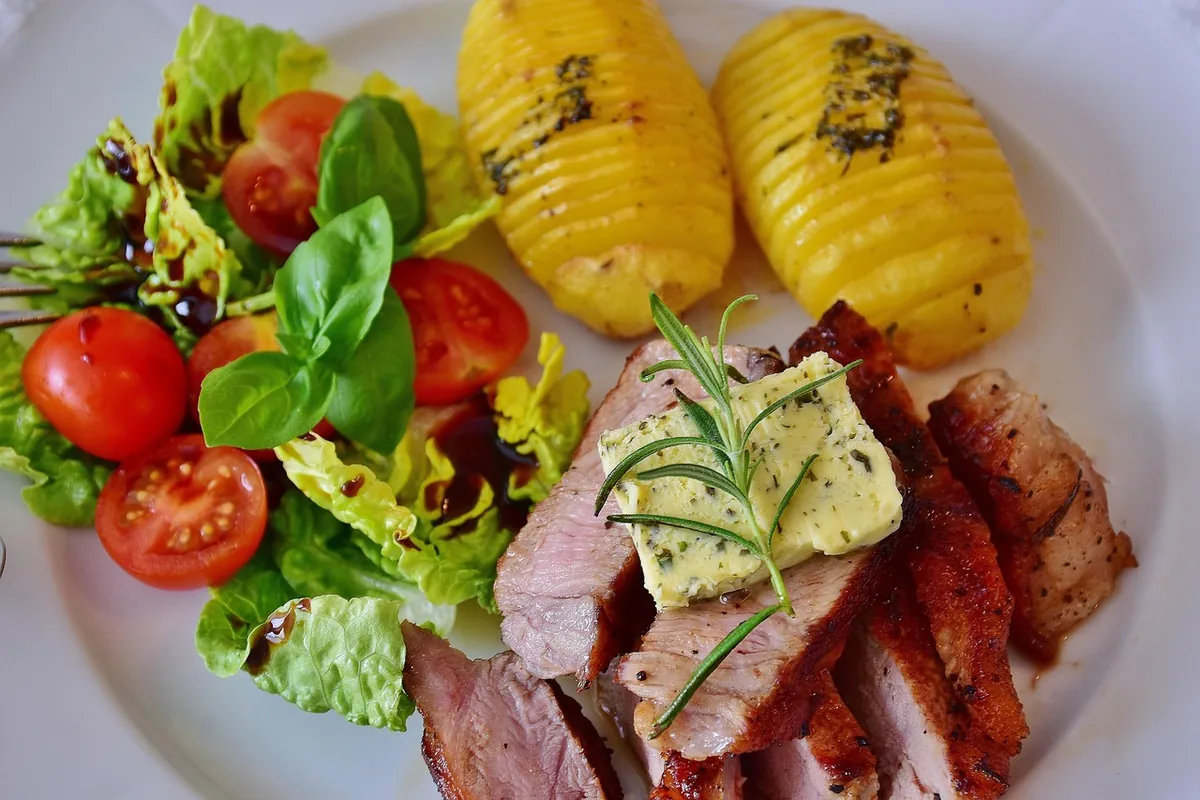
- Potatoes: baked, mashed, roasted or crispy smashed potatoes
- Green vegetables: roasted asparagus, garlicky green beans or creamed spinach
- A crisp salad: a wedge salad, or arugula with lemon and Parmesan
- Sauces: chimichurri, horseradish cream or a quick pan sauce made with red wine in the same skillet
- Mushrooms and onions: sautéed in the leftover garlic butter
Planning a surf and turf dinner? Add a quick fish to the plate, such as our air fryer salmon, which cooks while the steaks rest. For more ideas, browse all our steak recipes.
How to Store, Freeze and Reheat
Leftover ribeye steak is a treat if you reheat it gently.
- Refrigerate leftovers within 2 hours in an airtight container and eat them within 3 to 4 days.
- Freeze cooked steak, wrapped tightly, for up to 2 to 3 months. Thaw it overnight in the fridge.
- Reheat gently: warm whole pieces on a rack in a 250°F (120°C) oven for 15 to 25 minutes, then sear for 30 seconds per side.
- Heat leftovers to 165°F (74°C) if you want to follow the FoodSafety.gov guideline for reheated leftovers.
- Raw ribeye keeps 3 to 5 days in the fridge or 4 to 12 months frozen. See the cold food storage chart.
Cold, thinly sliced ribeye also makes excellent sandwiches, tacos and salads. Try it in our steak sandwich recipe.
Rib Eye Steak FAQs
Is reverse sear better than pan searing a ribeye?
For steaks 1½ inches or thicker, yes. It gives even doneness and a faster crust. For thinner steaks, a straight pan sear is quicker and works just as well.
Do I need to bring the steak to room temperature first?
No. An hour on the counter barely changes the center, and a reverse sear warms the steak gently anyway.
Can I cook a ribeye steak recipe from frozen?
Yes. Bake frozen steaks at 250°F until they reach 115°F, which takes about 1½ times as long, then pat dry and sear. Salt them before baking, since they can’t be dry brined.
Why is my ribeye tough?
- It was cooked well past medium, which tightens the meat
- It was sliced with the grain instead of against it
- It was a lean Select-grade steak with little marbling
What’s the difference between ribeye and prime rib?
Both come from the same rib section. Prime rib is the whole roast cooked in one piece and sliced; a ribeye is a single steak cut from it before cooking.
How much ribeye do I need per person?
Plan on 6 to 8 oz (170 to 225 g) of boneless steak per person, or 10 to 12 oz bone-in. One 1-pound boneless ribeye feeds two people.
Ribeye Steak Recipe Card
Calories are an estimate per serving (half of one steak) based on USDA FoodData Central values for raw Choice ribeye (lean and fat), butter and oil, counting all the butter and half the oil, which mostly stays in the pan.

Reverse Seared Ribeye Steak
Ingredients
Equipment
Method
- Pat the steaks dry, salt all sides, and refrigerate uncovered on a wire rack set in a rimmed baking sheet for 1 to 24 hours (or salt just before baking).
- Heat the oven to 250°F (120°C). Season with pepper and bake on the rack until the center reads 115°F (46°C) for medium-rare, or 130°F (54°C) to reach the 145°F guideline: about 35 to 45 minutes for 1 1/2-inch steaks and 50 to 65 minutes for 2-inch steaks.
- About 10 minutes before the steaks are ready, heat the cast iron skillet over medium-high for 5 minutes, then add the oil and heat until it just smokes.
- Pat the steaks dry and sear 45 to 60 seconds per side. Lower the heat to medium, add the butter, garlic and thyme, and baste for 30 to 45 seconds. Sear the fat edges for 20 to 30 seconds.
- Rest 3 to 5 minutes (at least 3 minutes if cooked to 145°F / 63°C), slice against the grain, spoon over the garlic butter and finish with flaky salt.


