
Blog
Tasty Steak Seasoning Recipe You’ll Want to Try Tonight

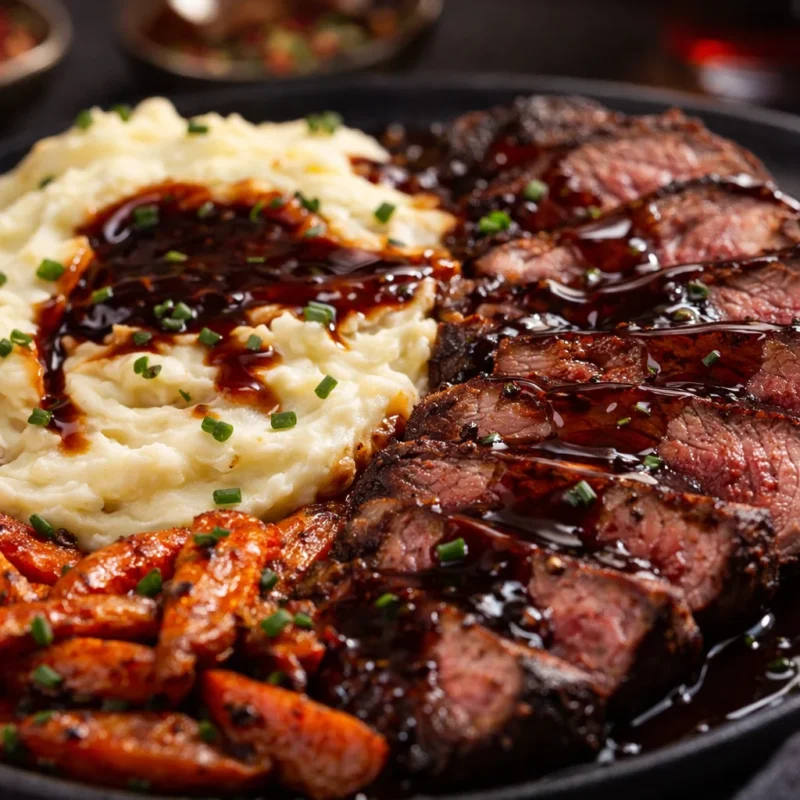
steak seasoning recipe nights usually happen at my place when I forgot to plan dinner and I need something that tastes like I tried a lot harder than I did. You know the vibe: you pull a couple steaks from the fridge, and suddenly you are wishing you had that one magic blend that makes everything smell amazing. That is exactly why I keep this mix on standby, and it has saved more weeknights than I can count. If you are into steak nights as much as I am, you will probably also like browsing this steak recipe collection when you need ideas fast. This seasoning is bold, a little smoky, and it gives you that steakhouse style crust without any complicated steps.
Best Steak Seasoning
I have tried a lot of store bought blends, and some are great, but many are way too salty or weirdly sweet. My goal with this steak seasoning recipe is simple: big flavor, flexible heat, and a nice balance so the steak still tastes like steak.
What makes it the best in my kitchen is how it hits all the notes:
Salt to wake up the meat, black pepper for bite, garlic and onion for that savory base, and a little smoked paprika for grill vibes even if you are cooking on a pan.
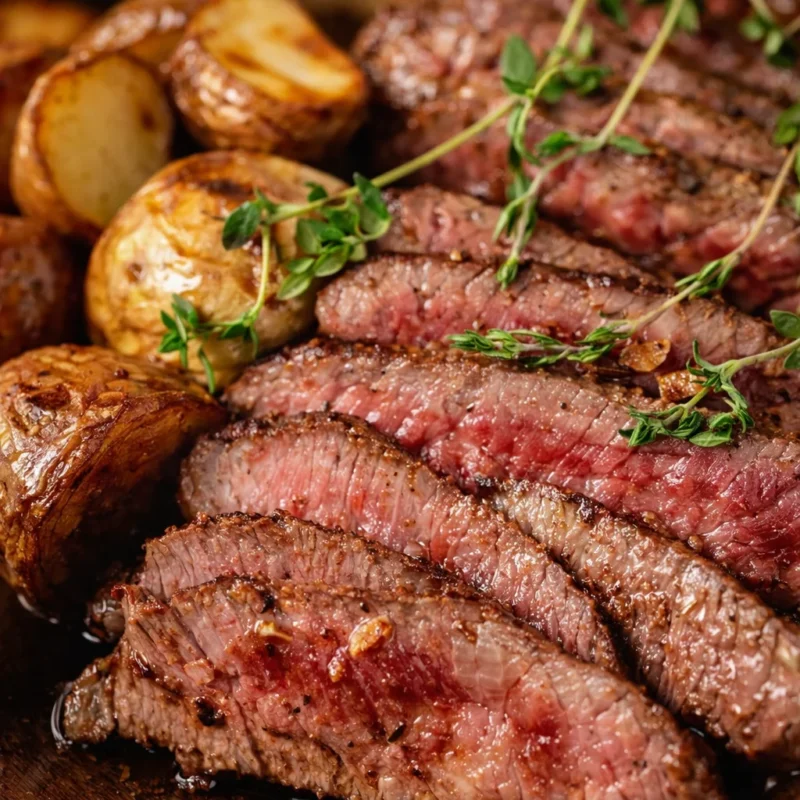
I also like that it works on more than just steak. I sprinkle it on burgers, roasted potatoes, and even veggies when I am feeling lazy. And if you cook different cuts, it still plays nice. Ribeye, strip, sirloin, filet, it does not matter. The blend just fits.
One quick tip: if you can, use freshly cracked black pepper. It smells stronger and tastes cleaner. But if you only have pre ground pepper, do not stress. Dinner will still be really good.
How to Season Steak
Seasoning steak is not hard, but timing and how you press it in makes a big difference. I used to just dust the top and call it a day. Then I realized the good crust comes from a slightly heavier hand and a little patience.
My easy method that actually works
Here is how I do it at home:
- Pat the steak dry with paper towels. Moisture is the enemy of browning.
- Lightly oil the steak, not the pan. Just a thin rub so seasoning sticks.
- Season generously on both sides and the edges. Yes, the edges too.
- Press the seasoning in with your hands so it does not fall off.
- Let it sit 15 to 30 minutes at room temp while you heat your skillet or grill.
If you have time, you can season up to 24 hours ahead and leave it uncovered in the fridge. That gives you even better browning and deeper flavor. Just do not go longer than that, because the texture can change.
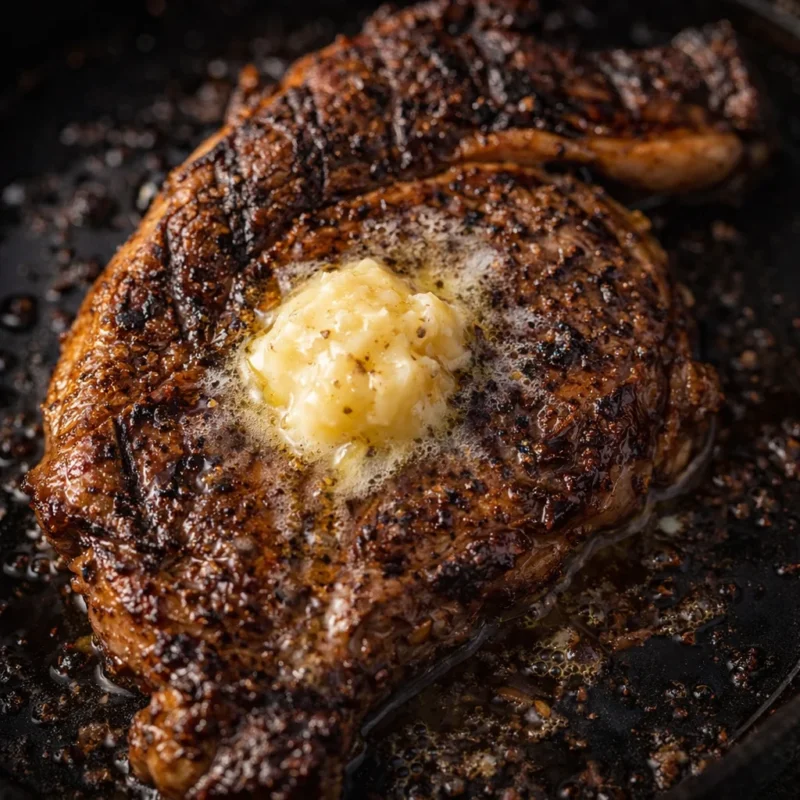
For cooking, I usually use a hot cast iron skillet. If you are pan cooking, do not keep moving the steak around. Let it sear, flip once, and trust the process. If you are grilling, keep the lid closed so you do not lose all the heat.
“I used this seasoning on sirloin and my family thought I brought home takeout from a steakhouse. It is going in my regular rotation.”
And if steak night turns into a full meal situation, I love having a simple dessert plan too. If you want something easy after dinner, these easy pumpkin desserts are a cozy follow up.
Ingredients for Steak Seasoning
This is the part I really want you to feel confident about. You do not need anything fancy, and you can tweak it to your taste. This steak seasoning recipe makes enough for several steaks, depending on how heavy you season.
What you will need
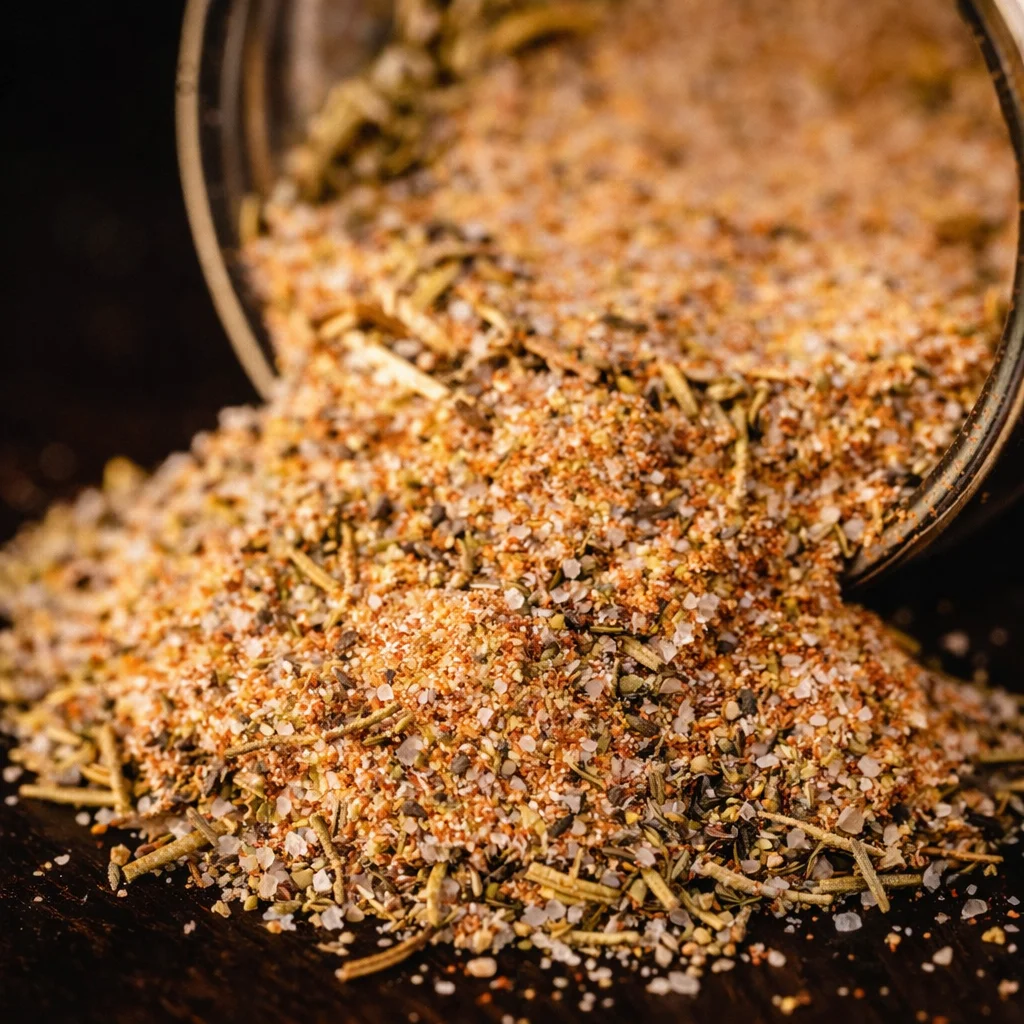
- Kosher salt: 2 tablespoons
- Coarse black pepper: 2 tablespoons
- Garlic powder: 1 tablespoon
- Onion powder: 1 tablespoon
- Smoked paprika: 2 teaspoons
- Chili powder: 1 teaspoon
- Dried thyme (optional): 1 teaspoon
- Brown sugar (optional): 1 teaspoon for a slightly caramelized edge
Mix everything in a small bowl and pour it into a jar with a tight lid. That is it. I like to shake it again right before using, since bigger spices can settle.
To help you eyeball it fast, here is a simple breakdown of how it tastes and when I use each ingredient.
A quick note on salt: if you use fine table salt instead of kosher, cut the salt amount down. Fine salt is denser, so it can make the blend too salty fast.
This is also a good moment to say the quiet thing out loud: the real secret is consistency. Once you find a blend you like, you will season more confidently, cook more often, and your steaks get better over time.
Variations and Substitutions
I love this part because it makes the seasoning feel like it is truly yours. This steak seasoning recipe is my go to, but I change it depending on who is eating and what I am cooking.
Easy swaps based on your mood
Try one of these tweaks:
Spicy: Add 1 to 2 teaspoons cayenne or crushed red pepper. Great on strip steak.
Herby: Add dried rosemary or oregano. Rosemary is strong, so start small.
No sugar: Skip the brown sugar. You still get a great crust, especially on a hot grill.
More smoky: Add an extra teaspoon of smoked paprika, or a pinch of chipotle powder.
Lower sodium: Reduce salt by one third and add extra garlic and pepper so it still feels bold.
If you are cooking for someone who is sensitive to heat, keep the chili powder low and lean on garlic and thyme for flavor. And if you are doing a super fancy cut like filet, I often use a lighter layer so the meat stays the star.
Side note, if you are the type who likes to plan dessert before dinner even starts, I respect that. I have made this easy cream cheese pound cake after steak night and it disappears fast.
Storage Tips
Homemade seasoning is pretty forgiving, but you want it to taste fresh and not like the back of a spice cabinet. I store mine in a small glass jar in a cool, dark spot.
Here is what works best for me:
Use an airtight container: it keeps the garlic and onion powders from clumping.
Label it: I write the date on a piece of tape so I do not play the guessing game later.
Best window: It is strongest in the first 3 months, but it is still totally usable up to 6 months if your spices were fresh.
Keep it dry: Do not shake seasoning straight over a steaming pan. Moisture sneaks in and causes clumps.
If your blend does clump, just break it up with a spoon or sift it. If it smells flat or dusty, it is time to mix a new batch. Spices lose their punch slowly, so trust your nose.
Common Questions
How much seasoning should I use per steak?
For a normal 1 to 1.5 inch steak, I use about 1 to 1.5 teaspoons per side, plus a little on the edges. If you like a thicker crust, go a bit heavier.
Can I use this steak seasoning recipe on chicken or pork?
Yes, absolutely. I use it on pork chops all the time. For chicken, I sometimes cut the pepper a little so it is not too bold.
Should I season before or after cooking?
Before cooking for sure. That is how you get the crust and the flavor in every bite. You can add a tiny pinch at the end if it needs it, but start before.
Is this okay for grilling and pan searing?
Yep. It works for both. If you use sugar, just watch high direct heat so it does not burn. Keep the sugar optional if you grill super hot.
Can I make it without smoked paprika?
You can. Regular paprika works, or you can skip it. Smoked paprika just adds that backyard grill taste, even indoors.
Alright, go make steak night happen
If you take one thing from this post, let it be this: a solid steak seasoning recipe makes dinner feel easy and a little special at the same time. Mix a jar once, and you have instant flavor ready for busy nights. Try it on your next ribeye or sirloin and see how fast it becomes your default move.
And if you want to compare and geek out a little on other blends, I also like reading about The BEST Steak Seasoning for extra ideas and flavor inspiration. Now grab your skillet or fire up the grill, and let tonight be the kind of dinner that makes you pause after the first bite.