

Blog
Teriyaki Salmon Recipe With Homemade Sauce

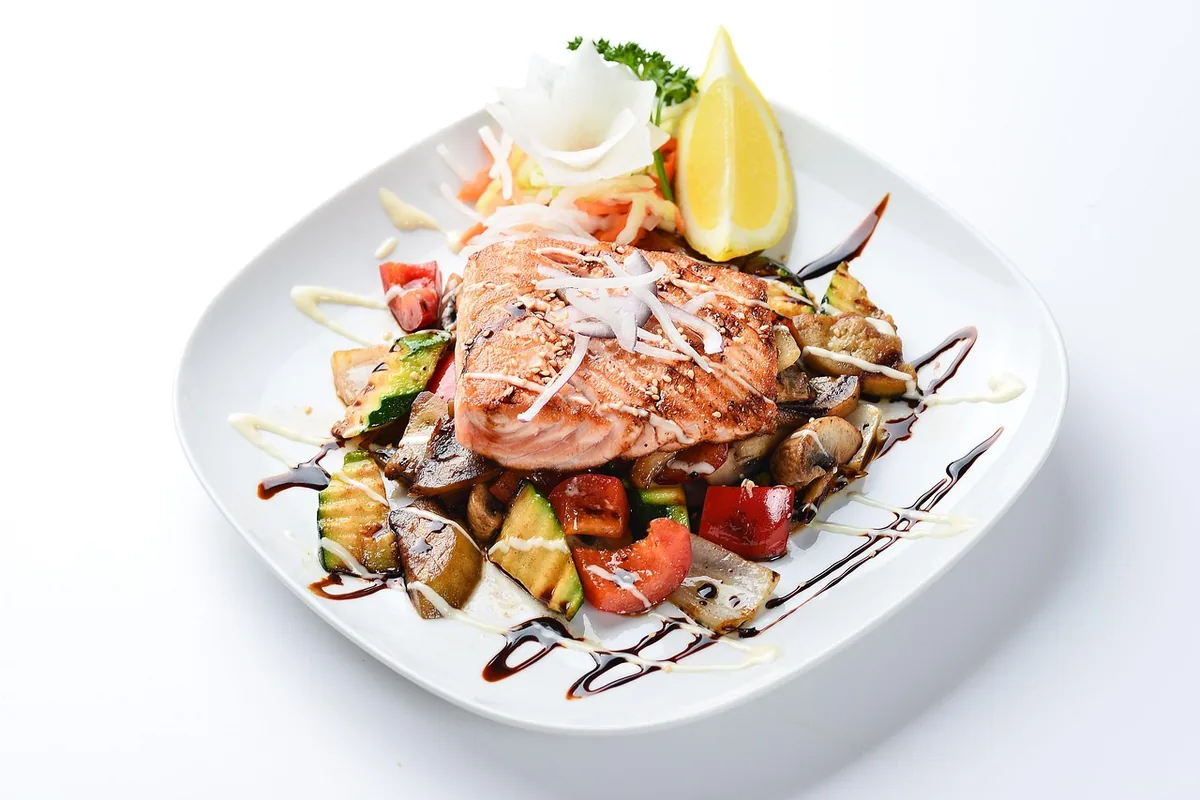
This teriyaki salmon recipe gives you tender, flaky fillets coated in a glossy homemade sauce made from soy sauce, mirin, brown sugar, fresh ginger and garlic. The sauce takes about 5 minutes on the stove, the salmon bakes in 12 to 14 minutes, and dinner for 4 is ready in about 25 minutes. It tastes sweet, salty and a little sharp from the ginger, without the gummy, overly sweet texture of many bottled sauces.
Below you’ll find the ingredients with exact amounts, how to thicken the sauce so it clings, three cooking methods with times (oven, skillet and air fryer), how to keep the sugar from burning, a gluten-free version with tamari, a troubleshooting table, meal prep and storage tips, and a printable recipe card at the bottom.
Why You’ll Love This Teriyaki Salmon Recipe
Teriyaki means “glossy grilled,” and the shine is the whole point. A good glaze should coat the fish in a thin, sticky layer that tastes balanced, not like candy. This version gets there with a short list of pantry ingredients.
- Homemade sauce in 5 minutes: no bottled sauce, no corn syrup, and you control the salt and sugar.
- Fast: about 25 minutes from start to finish, with only 10 minutes of hands-on work.
- Three methods: baked teriyaki salmon for easy cleanup, pan-seared for a crisp edge, or air fryer for a small batch.
- A glaze that doesn’t burn: you brush it on in two coats instead of drowning raw fish in sugar at the start.
- Easy to adapt: swap in honey, use tamari for a gluten-free meal, or skip the mirin if you don’t have it.
- Good for meal prep: the fillets keep for 3 to 4 days and taste good cold over rice.
Ingredients for Teriyaki Salmon
You need two groups of ingredients: the fish and the sauce. All of them are easy to find in a regular grocery store, usually in the Asian foods aisle. Exact amounts are also in the recipe card.
For the salmon
- Salmon fillets, 4 (6 oz / 170 g each), about 1 inch (2.5 cm) thick. Skin-on or skinless both work. Center-cut pieces cook more evenly than thin tail ends.
- Neutral oil, 1 tablespoon (15 ml), such as avocado or canola, for the pan.
- Black pepper, a few grinds. Skip the salt; the soy sauce brings plenty.
For the homemade teriyaki sauce (about 1 cup)
- Low-sodium soy sauce, ½ cup (120 ml). Regular soy sauce makes the dish noticeably saltier.
- Mirin, ¼ cup (60 ml). This sweet rice wine gives the classic shine and mild sweetness. Substitutes are below.
- Water, ¼ cup (60 ml).
- Light brown sugar, 3 tablespoons (40 g), or 2 tablespoons (42 g) honey.
- Rice vinegar, 1 tablespoon (15 ml).
- Fresh ginger, 2 teaspoons grated, from about a 1-inch (2.5 cm) piece.
- Garlic, 2 cloves, finely grated or minced.
- Cornstarch, 1 tablespoon (8 g), stirred into 2 tablespoons (30 ml) cold water to make a slurry.
- Toasted sesame oil, ½ teaspoon, optional, added at the end.
To finish
- Sesame seeds, 1 teaspoon
- Green onions, 2, thinly sliced
No mirin? Replace the ¼ cup mirin with 3 tablespoons dry sherry or dry white wine plus 1 tablespoon sugar. For an alcohol-free swap, use 3 tablespoons water, 1 extra tablespoon rice vinegar and 1 tablespoon sugar. The sauce will be a little less glossy but still very good.
Equipment You Need
- A small saucepan for the teriyaki sauce.
- A rimmed sheet pan, lined with foil or parchment, for baked teriyaki salmon. The lining saves you from scrubbing burnt sugar later.
- A large nonstick or cast-iron skillet if you pan-sear.
- A silicone pastry brush or a spoon for the glaze.
- An instant-read thermometer. It’s the easiest way to know the fish is done without overcooking it.
- A microplane or fine grater for the ginger and garlic.
- Two small bowls: one for the brushing sauce and one for the serving sauce.
How to Make Teriyaki Salmon (Step by Step)
These steps are for the oven, the easiest way to cook 4 fillets at once. Heat the oven to 400°F (200°C) and line a sheet pan before you start. The skillet and air fryer methods follow in the next section.
1. Make the teriyaki sauce
- Add the soy sauce, mirin, water, brown sugar, rice vinegar, ginger and garlic to a small saucepan.
- Bring it to a simmer over medium heat, stirring until the sugar dissolves, about 2 minutes.
- Stir the cornstarch slurry again (it settles fast), then pour it in while stirring.
- Simmer for 1 to 2 minutes, until the sauce turns glossy and coats the back of a spoon.
- Take it off the heat and stir in the sesame oil, if using.
The sauce thickens more as it cools. If it becomes too thick to brush, stir in 1 to 2 teaspoons of warm water. Pour about ½ cup into a separate bowl for serving right away, before any brush touches raw fish.
2. Prepare the salmon
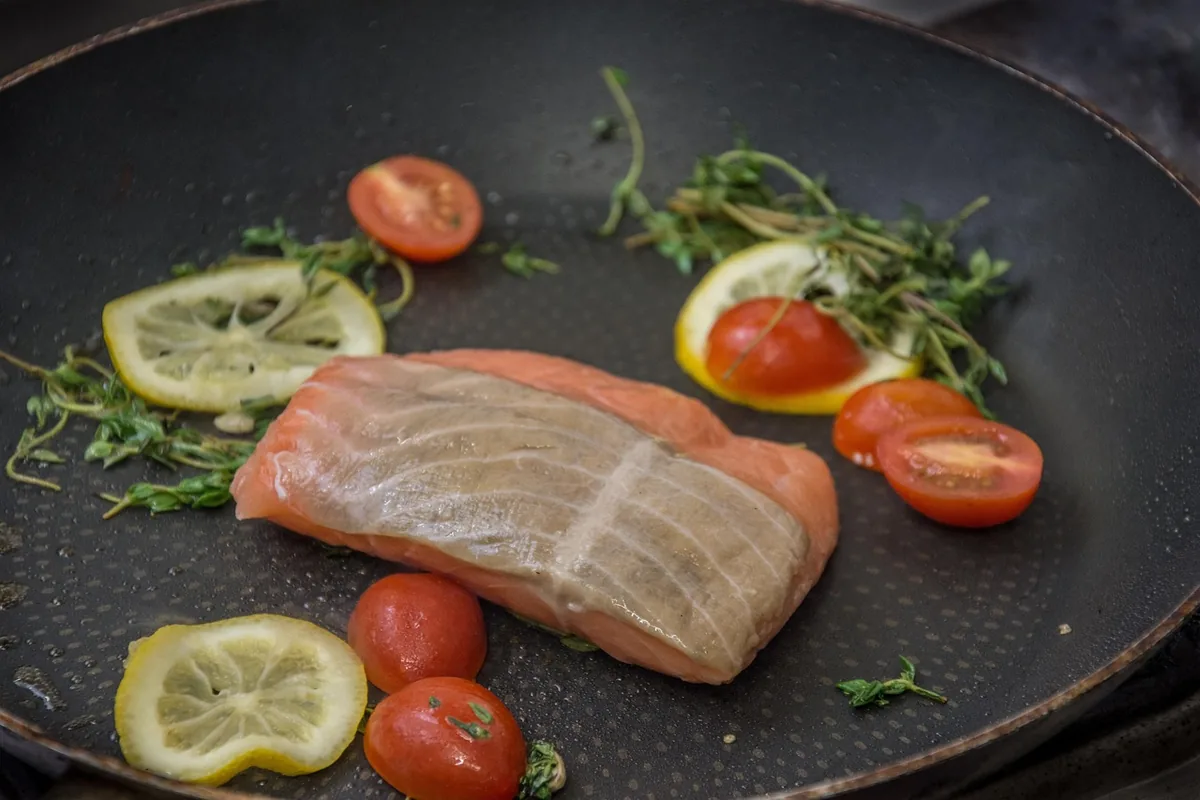
Pat the fillets very dry with paper towels. Dry fish holds the glaze; wet fish lets it slide off into the pan. Rub the foil lightly with the oil, set the salmon on it skin side down with 1 inch of space between pieces, and season with a little black pepper.
3. Glaze in two coats
- First coat: brush about 2 tablespoons of sauce over the tops and sides of the fillets.
- Bake 8 minutes on the middle rack.
- Second coat: pull the pan out, brush on another 2 tablespoons of sauce, and return it to the oven.
- Bake 4 to 6 minutes more, until the fish flakes and the glaze looks sticky.
4. Check the temperature
Slide an instant-read thermometer into the thickest part of a fillet from the side. FoodSafety.gov lists 145°F (63°C) as the safe minimum internal temperature for fish. For more on doneness and carryover cooking, see our guide to salmon internal temp.
5. Optional broil, then serve
For a darker, caramelized top, broil on high for 30 to 60 seconds and don’t walk away; sugar goes from glossy to burnt in seconds. Rest the fish for 2 minutes, then spoon over some of the reserved sauce and finish with sesame seeds and green onions.
Teriyaki Salmon Cooking Times: Oven, Skillet and Air Fryer
All three methods use the same sauce and the same 145°F (63°C) target. Times are for 6-ounce fillets about 1 inch thick; thinner pieces cook faster and thicker ones need a couple of extra minutes.
| Method | Heat | Time | When to add the glaze |
|---|---|---|---|
| Oven (baked) | 400°F (200°C) | 12 to 14 minutes | 2 tbsp at the start, 2 tbsp after 8 minutes |
| Skillet (pan-seared) | Medium-high, then medium-low | 6 to 8 minutes | After flipping, for the last 1 to 2 minutes |
| Air fryer | 400°F (200°C) | 7 to 9 minutes | Brush on for the last 2 minutes |
| Broiler finish | High | 30 to 60 seconds | Only on fish that’s already glazed and nearly done |
Pan-seared teriyaki salmon
- Heat the oil in a large skillet over medium-high heat until it shimmers.
- Lay the fillets in presentation side down (skin side up) and sear 3 to 4 minutes without moving them, until golden.
- Flip, cook 2 minutes, then lower the heat to medium-low.
- Pour ⅓ cup of sauce around the fish and let it bubble 1 to 2 minutes, spooning it over the top until thick and sticky.
Lowering the heat before the sauce goes in is the key step. A hot pan scorches the sugar in seconds and leaves a bitter coating on the fish.
Air fryer teriyaki salmon
Line the basket with a perforated parchment liner and lightly oil the fillets. Cook at 400°F (200°C) for 5 to 7 minutes, brush with sauce, and cook 2 minutes more. Two fillets fit in most baskets; cook in batches rather than crowding. For more timing detail, see our air fryer salmon guide.
Tips for the Best Baked Teriyaki Salmon
Most problems with baked teriyaki salmon come from the sugar in the sauce. Sugar starts to brown quickly once the surface dries out, and it can turn black before the fish is cooked through. These habits prevent that and keep the fillets moist.
- Thicken the sauce first. A thin sauce runs off the fish and pools on the pan, where it burns. The cornstarch slurry makes it cling.
- Glaze in layers. Two light coats give more flavor and shine than one heavy coat, and the first coat has less time to burn.
- Line the pan. Foil or parchment catches drips so they don’t smoke on bare metal.
- Use the middle rack. The top rack sits too close to the heating element for a sugary glaze.
- Don’t marinate for hours. Soy sauce firms up the surface of fish. If you want to marinate, 15 to 30 minutes in the fridge is plenty.
- Keep sauces separate. Brush from one bowl and serve from another, so no sauce that touched raw fish ends up on the table.
- Pull it at the right moment. Use a thermometer rather than the clock, since fillet thickness varies a lot.
Want to season the fish before glazing? A light dusting of garlic powder and pepper works well; skip salty blends. Our salmon seasoning guide explains which spices pair best with sweet glazes.
Teriyaki Salmon Troubleshooting Table
If something went wrong, the fix is usually simple. Find the problem in the table and adjust next time.
| Problem | Likely cause | Fix |
|---|---|---|
| Glaze burned or tastes bitter | Too much sugar exposed to high heat for too long | Glaze in two coats, use the middle rack, lower the skillet heat before adding sauce |
| Sauce too thin, slides off | Not simmered after adding the slurry | Simmer 1 to 2 minutes more until it coats a spoon |
| Sauce gummy or jelly-like | Too much cornstarch, or cooled completely | Whisk in warm water a teaspoon at a time |
| Lumpy sauce | Cornstarch added dry or slurry not stirred | Always mix cornstarch with cold water first; strain if needed |
| Too salty | Regular soy sauce or extra salt | Use low-sodium soy sauce and serve with plain rice |
| Dry, chalky salmon | Overcooked | Check at the low end of the time range; aim for 145°F (63°C) |
| White beads on the surface | Albumin pushed out by high heat | Cook at a steady temperature and don’t overcook; it’s harmless |
| Fish sticks to the pan | Moved too early or pan not hot enough | Preheat the skillet and let the crust form before flipping |
Easy Variations and Substitutions
The basic ratio is easy to remember: 2 parts soy sauce, 1 part mirin, 1 part water, plus sugar, aromatics and a little cornstarch. Keep that balance and you can change the details.
- Gluten-free teriyaki salmon: use gluten-free tamari in place of soy sauce, in the same amount. Most soy sauce is brewed with wheat, so check the label on your tamari and your mirin.
- Honey teriyaki: replace the brown sugar with 2 tablespoons honey. Honey browns faster, so watch the broil closely.
- Pineapple teriyaki: swap the water for pineapple juice and cut the sugar to 2 tablespoons.
- Spicy: add ½ teaspoon red pepper flakes or 1 teaspoon sriracha to the sauce.
- Orange-ginger: use fresh orange juice instead of water and add ½ teaspoon zest.
- Lower sugar: cut the brown sugar to 1½ tablespoons. The glaze will be thinner and less shiny.
- Coconut aminos: use ½ cup in place of soy sauce for a soy-free option, and cut the sugar to 1 tablespoon, since aminos are already sweet.
Prefer a different flavor profile? Our miso salmon uses a savory, fermented glaze with the same quick oven method, and a creamy lemon dill sauce for salmon is a fresher, no-sugar option. The same teriyaki sauce also works on chicken thighs; for a similar sticky, sweet-savory sauce on chicken, try our bourbon chicken recipe.
What to Serve With Teriyaki Salmon
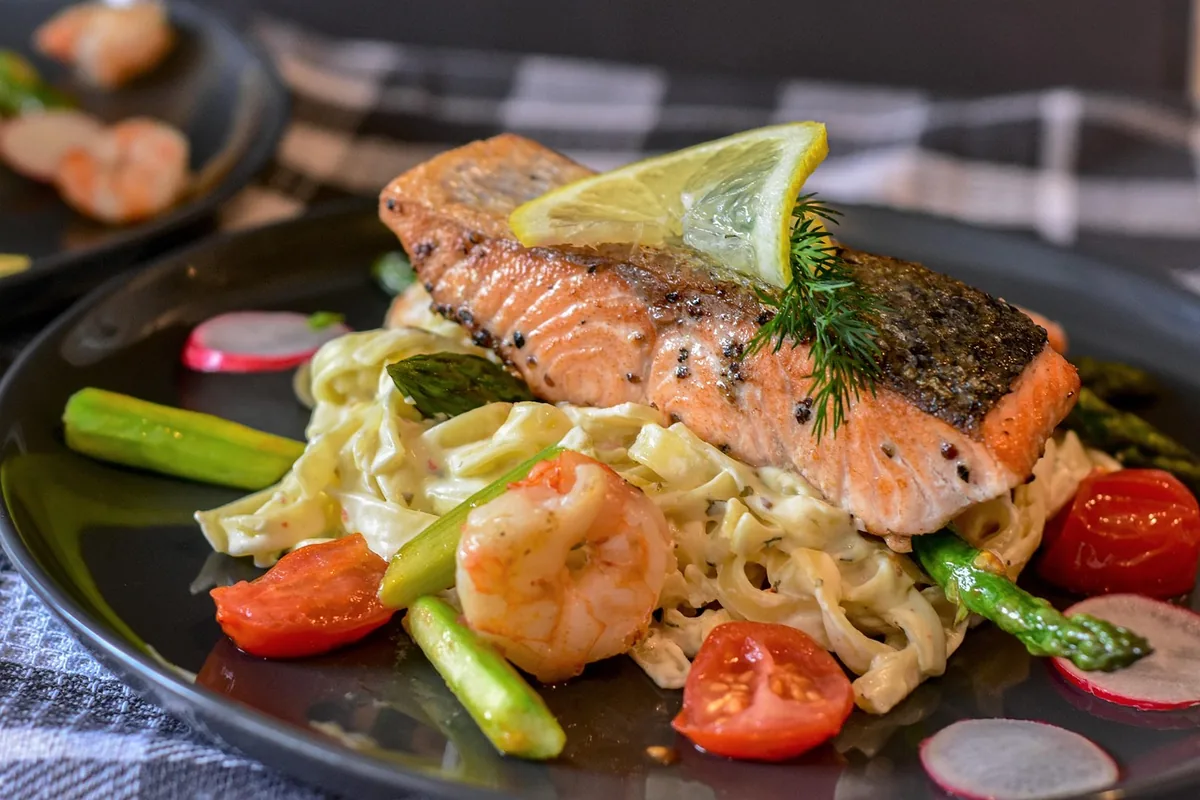
A sweet, salty glaze pairs best with plain starches that soak up the extra sauce and simple green vegetables that add crunch.
- Steamed rice: short-grain or jasmine rice is the classic pairing. Brown rice adds a nutty flavor.
- Broccoli: steam the florets for 4 to 5 minutes, or roast them on a second sheet pan at 400°F (200°C) for 15 to 18 minutes while the salmon bakes.
- Sesame green beans or snap peas, sautéed for 3 to 4 minutes with a few drops of sesame oil.
- Cucumber salad with rice vinegar and a pinch of sugar, for something cool and sharp.
- Bok choy, halved and seared, or stir-fried with garlic.
- Noodles: soba or udon tossed with a spoonful of the reserved sauce.
- Cauliflower rice for a lighter, lower-carb plate.
Looking for more weeknight ideas? Browse all our salmon recipes.
Teriyaki Salmon Meal Prep Plan
Teriyaki salmon is one of the better fish dishes for meal prep, because the glaze keeps the surface moist and the flavor holds up cold. Here is a simple plan for 4 lunches.
- Cook the base: make 3 cups cooked rice (from 1 cup dry) and steam or roast 4 cups broccoli florets.
- Cook the salmon: bake the fillets as written, but stop at the low end of the time range so they don’t dry out when reheated.
- Cool quickly: spread everything out to cool, and refrigerate within 2 hours of cooking.
- Pack: divide the rice, broccoli and salmon into 4 containers. Put the reserved sauce in small separate cups so the rice doesn’t turn soggy.
- Eat within 3 to 4 days.
You can also flake the cold fish over salad greens with edamame and shredded carrots, using the extra sauce thinned with rice vinegar as a dressing.
How to Store, Freeze and Reheat
Follow the FoodSafety.gov cold food storage chart for cooked fish. These guidelines cover the salmon and the sauce.
| Item | Fridge | Freezer | Notes |
|---|---|---|---|
| Cooked teriyaki salmon | 3 to 4 days | 4 to 6 months | Best texture within 2 to 3 months; airtight container |
| Teriyaki sauce (unused, never touched raw fish) | Up to 1 week | Up to 3 months | Thickens when cold; loosen with warm water |
| Raw salmon in sauce | Up to 30 minutes for marinating | Not recommended | Freezing in soy sauce makes the texture soft |
- Oven: cover with foil and warm at 275°F (135°C) for 10 to 15 minutes. Gentle heat keeps the fish from drying out.
- Microwave: cover and heat at 50% power in 30-second bursts.
- Air fryer: 300°F (150°C) for 3 to 4 minutes.
- Cold: leftovers are also good straight from the fridge, flaked into a bowl with rice.
When reheating leftovers, bring them to 165°F (74°C). Thaw frozen salmon overnight in the fridge, not on the counter. Salmon is one of the “best choices” on the FDA’s advice about eating fish, which suggests 2 to 3 servings a week from that group for most adults.
Teriyaki Salmon Recipe FAQs
Should I bake teriyaki salmon covered or uncovered?
Uncovered. Covering traps steam, which thins the glaze and stops it from turning sticky. Only tent the fish loosely with foil if the top browns too fast before the center reaches 145°F (63°C).
How long should salmon marinate in teriyaki sauce?
15 to 30 minutes in the fridge is enough. Longer soaking in soy sauce firms the outside and can make the fish salty. This recipe doesn’t need a marinade at all; the glaze adds the flavor.
Can I use store-bought teriyaki sauce?
Yes. Use about ¾ cup. Many bottled sauces are thin, so simmer them with 1 teaspoon cornstarch mixed into 1 tablespoon cold water to help them cling. Check the sodium and sugar on the label.
Is teriyaki salmon healthy?
Salmon is rich in protein and omega-3 fats. The sauce adds sugar and sodium, so using low-sodium soy sauce, a lighter hand with the glaze and lots of vegetables keeps it balanced.
Can I cook frozen salmon with this teriyaki salmon recipe?
- Thaw it overnight in the fridge for the best results.
- For a quick thaw, seal the fish in a bag and submerge it in cold water for 30 to 60 minutes.
- Pat it very dry before glazing, since thawed fish releases water.
Can I make teriyaki salmon without cornstarch?
Yes. Simmer the sauce for 6 to 8 minutes instead, until reduced by about a third. Arrowroot also works in the same amount, but add it at the end and don’t boil it hard.
Teriyaki Salmon Recipe Card
Calories are an estimate per serving (1 fillet with a quarter of the sauce) based on USDA FoodData Central values for raw Atlantic salmon, low-sodium soy sauce, mirin, brown sugar, cornstarch, oil, sesame oil and sesame seeds.

Teriyaki Salmon
Ingredients
Equipment
Method
- Heat the oven to 400°F (200°C) and line a rimmed sheet pan with foil or parchment.
- Simmer the soy sauce, mirin, water, brown sugar, rice vinegar, ginger and garlic in a small saucepan over medium heat for 2 minutes, stirring until the sugar dissolves.
- Stir in the cornstarch slurry and simmer 1 to 2 minutes until glossy and thick enough to coat a spoon. Off the heat, add the sesame oil. Set aside about 1/2 cup in a separate bowl for serving.
- Pat the salmon very dry. Rub the lined pan with the oil, place the fillets skin side down 1 inch apart, and season with pepper.
- Brush about 2 tbsp sauce over the fillets and bake on the middle rack for 8 minutes.
- Brush with another 2 tbsp sauce and bake 4 to 6 minutes more, until the thickest part reaches 145°F (63°C). For a darker glaze, broil 30 to 60 seconds, watching closely.
- Rest 2 minutes, spoon over the reserved sauce, and finish with sesame seeds and green onions. Serve with rice and broccoli.


