

Blog
Chicken Brine (Simple Ratio, Times for Every Cut and Juicy Brined Chicken)

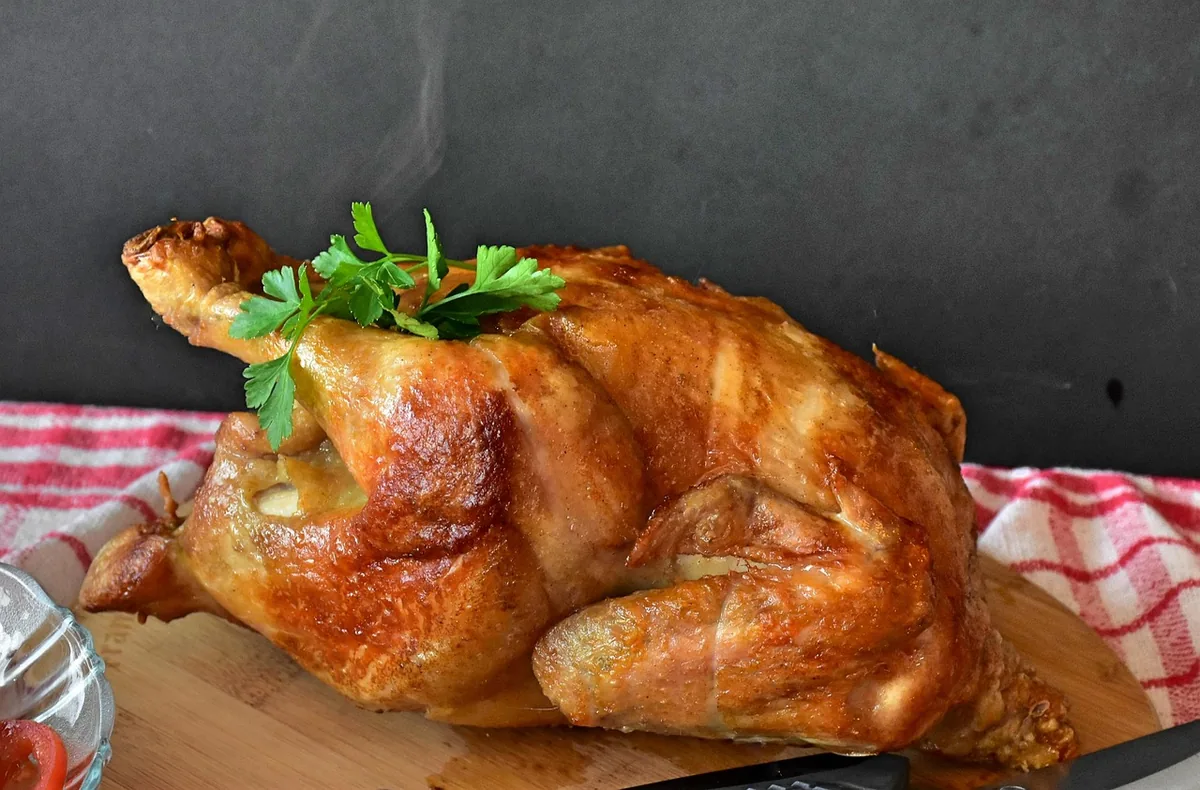
A basic chicken brine is ¼ cup of kosher salt and 2 tablespoons of sugar dissolved in 4 cups of cold water. Soak chicken breasts in it for 1 to 2 hours, a whole chicken for 4 to 12 hours, then rinse, pat dry and cook as usual. The salt seasons the meat all the way through and helps it hold on to its juices, so even lean chicken breast comes out moist and tender.
This guide covers the brine ratio, how long to brine every cut, wet brine vs dry brine, flavor add-ins, how to cook brined chicken, the mistakes that make chicken too salty, and an FAQ. At the bottom is a printable recipe card for juicy brined baked chicken breasts.
What Does Brining Do to Chicken?
Brining means soaking meat in salty water (a wet brine) or coating it in salt and letting it rest (a dry brine). Here’s what happens:
- Seasoning goes deeper. Over time, salt moves from the brine into the meat, so the inside is seasoned, not just the surface.
- Proteins relax. Salt loosens some of the muscle proteins, so they don’t squeeze out as much juice when heated.
- The meat holds more water. A brined chicken breast loses less moisture during cooking, so it tastes juicier, even if cooked a little too long.
- Better texture. Brined chicken is tender rather than stringy.
Brining helps most with lean cuts like chicken breast and whole chickens, which dry out easily. Thighs and wings benefit too, but they’re already forgiving.
The Basic Chicken Brine Ratio
| Water | Kosher salt (Diamond Crystal) | Kosher salt (Morton) | Table salt | Sugar (optional) |
|---|---|---|---|---|
| 4 cups (1 quart) | ¼ cup | 3 tbsp | 2 tbsp | 2 tbsp |
| 8 cups (2 quarts) | ½ cup | 6 tbsp | ¼ cup | ¼ cup |
| 16 cups (1 gallon) | 1 cup | ¾ cup | ½ cup | ½ cup |
Different salts weigh different amounts per spoonful, which is why the columns differ. By weight, the ratio is about 1 ounce (28 g) of salt per quart of water, roughly a 3 percent brine. If you only remember one thing, remember that: about 3 percent salt by weight.
Sugar is optional. It balances the salt and helps the skin brown. Brown sugar or honey work too.
Why Salt Type Matters
The biggest reason people end up with salty brined chicken is using the wrong salt. Table salt has small, dense grains, so a tablespoon holds about twice as much salt as a tablespoon of Diamond Crystal kosher salt, which has big, hollow flakes. Morton kosher salt is somewhere in between. If a recipe just says “kosher salt” and you use table salt in the same amount, your brine will be almost twice as strong.
The easy fix is to weigh it. A digital scale set to grams removes all the guesswork: use 30 grams of any salt per liter of water (or about 28 grams per quart). Sea salt and pink salt work fine too; weigh them the same way. Avoid iodized salt if you can, since a strong brine can carry a faint metallic taste.
Equipment You Need
- A container big enough to hold the chicken fully covered: gallon zip-top bags for parts, a stockpot or brining bag for a whole bird.
- Room in the fridge. Clear a shelf before you start. A bag set inside a bowl catches any leaks.
- Measuring cups and spoons, or a kitchen scale for the salt.
- A small saucepan to dissolve the salt and warm the aromatics.
- Paper towels and a wire rack for drying the chicken.
- An instant-read thermometer for checking doneness.
How Long to Brine Chicken
| Cut | Wet brine (3%) | Dry brine |
|---|---|---|
| Boneless breasts or tenders | 30 minutes to 2 hours | 1 to 12 hours |
| Bone-in breasts | 2 to 4 hours | 4 to 24 hours |
| Thighs or drumsticks | 1 to 4 hours | 4 to 24 hours |
| Wings | 1 to 4 hours | 4 to 24 hours |
| Whole chicken (3 to 5 lb) | 4 to 12 hours | 12 to 48 hours |
| Spatchcocked chicken | 3 to 8 hours | 12 to 24 hours |
| Turkey breast | 6 to 12 hours | 24 to 48 hours |
Don’t go much longer than the times above in a wet brine. Too long and the meat turns spongy and too salty. If you can’t cook on time, take the chicken out, pat it dry and refrigerate it until you’re ready.
How to Make a Chicken Brine, Step by Step
- Dissolve the salt. Heat 1 cup of the water with the salt, sugar and any whole spices until the salt dissolves, about 2 minutes. Or whisk the salt into room-temperature water until clear.
- Cool it down. Add the remaining cold water (or ice) so the brine is fully cold, below 40°F, before the chicken goes in. Never put raw chicken in warm brine.
- Submerge the chicken. Put the chicken in a large zip-top bag, a glass dish or a food-safe container and pour in enough brine to cover it. Weigh it down with a plate if it floats.
- Refrigerate. Keep it in the fridge for the time in the chart.
- Rinse and dry. Remove the chicken, give it a quick rinse in the sink if you used a strong brine (clean the sink afterward), and pat it very dry with paper towels.
- Discard the brine. Pour it out. Never reuse brine that has held raw chicken.
- Cook. Season with pepper, herbs or a rub, but go light on any extra salt.
Brining a Whole Chicken
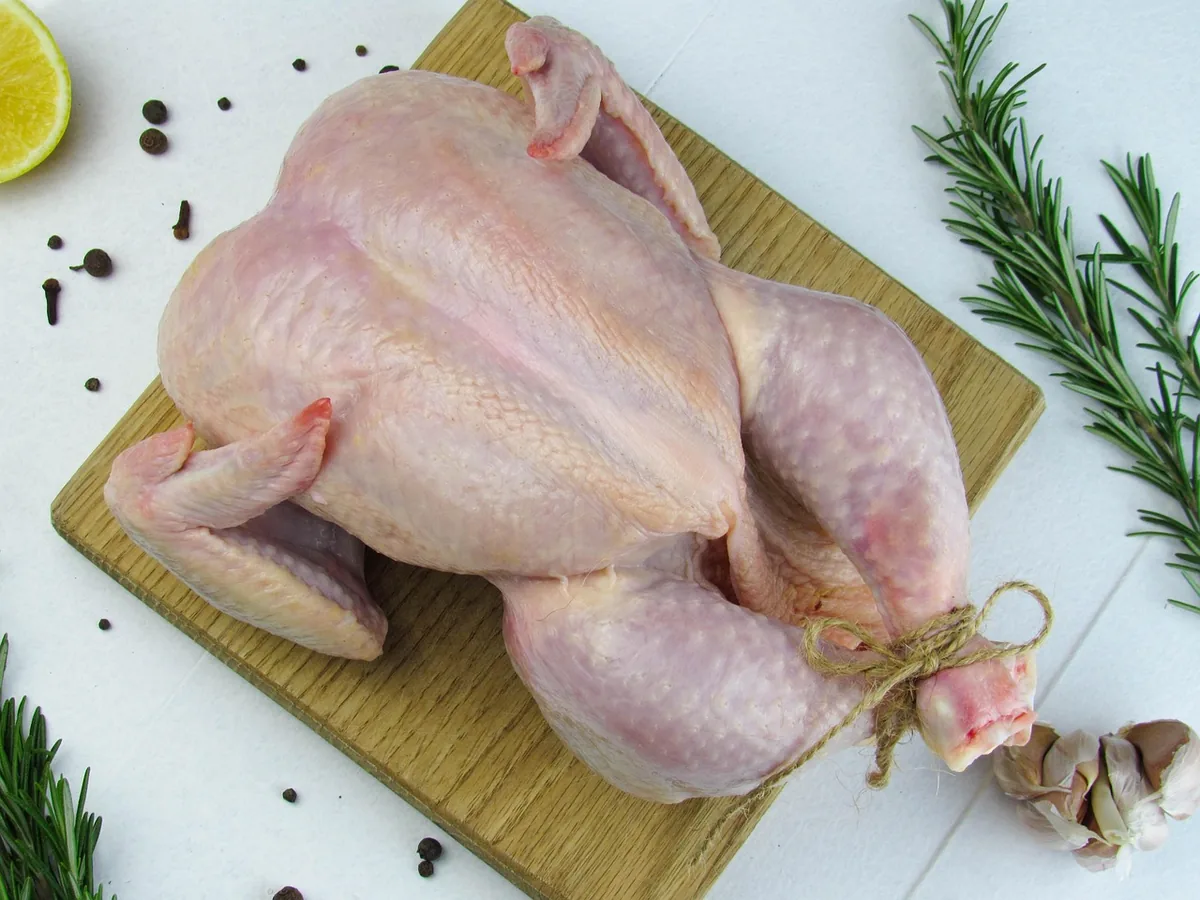
A whole chicken needs a bigger batch: about 2 quarts of brine for a 4-pound bird. Use a large stockpot, a brining bag or a 2-gallon zip-top bag set in a bowl. Put the chicken in breast-side down so the thickest meat stays covered, and weigh it down with a plate if it floats. Brine for 4 to 12 hours, then pat it dry inside and out and let it rest uncovered on a rack in the fridge for at least 1 hour, or overnight, before roasting. That air-drying step is the secret to crisp, golden skin on a brined bird.
Wet Brine vs Dry Brine
| Wet brine | Dry brine | |
|---|---|---|
| What it is | Chicken soaked in salted water | Salt rubbed on, then rested uncovered in the fridge |
| Juiciness | Very juicy; adds a little water to the meat | Juicy; seasons without adding water |
| Skin | Wetter; needs drying for crisp skin | Drier skin that crisps beautifully |
| Space | Needs a big container and fridge room | Just a rack and sheet pan |
| Speed | Fast for small cuts | Needs more time |
| Best for | Breasts, grilling, frying, smoking | Roast chicken, wings, anything with skin |
How to Dry Brine Chicken
A dry brine is the easiest way to get crisp-skinned, well-seasoned chicken.
- Pat the chicken dry.
- Sprinkle evenly with kosher salt: about ¾ teaspoon of Diamond Crystal (or ½ teaspoon of Morton) per pound of chicken. Add a little baking powder (½ teaspoon per pound, not baking soda) on skin-on pieces for extra crunch.
- Set the chicken on a rack over a sheet pan and refrigerate uncovered for the time in the chart above.
- Cook without rinsing. Don’t add more salt.
Dry brining is the method behind our chicken wing dry rub wings and works well for beer can chicken.
Chicken Brine Flavor Add-Ins
Salt and water do the main work, but aromatics add flavor, especially for whole birds and long brines. Add them to the warm water when you dissolve the salt so they release their flavor.
| Brine style | Add to 1 quart | Good for |
|---|---|---|
| Herb and garlic | 4 smashed garlic cloves, 3 sprigs thyme, 2 sprigs rosemary, 1 tsp peppercorns | Roast chicken, breasts |
| Lemon pepper | 1 sliced lemon, 1 tbsp cracked black pepper, 2 bay leaves | Grilled breasts |
| Buttermilk | Use 1 quart buttermilk with 1 tbsp kosher salt; no water | Fried chicken, tenders |
| Apple cider | 2 cups cider + 2 cups water, ¼ cup brown sugar, cinnamon stick | Smoked or roast chicken |
| Pickle juice | Dill pickle juice straight, 1 to 4 hours | Fried chicken sandwiches |
| Spicy | 2 tbsp hot sauce, 1 tsp red pepper flakes, 1 tsp smoked paprika | Wings, thighs |
| Asian-style | ¼ cup soy sauce (cut the salt by a third), 2 slices ginger, 2 garlic cloves | Grilled thighs |
Pickle juice and buttermilk are already salty or acidic, so they work as a brine on their own. Keep acidic brines short; acid can make the outside of the meat mushy.
How to Cook Brined Chicken
Brined chicken cooks the same way as regular chicken, with two small changes: it browns a little faster because of the sugar, and it needs less salt in any rub or sauce.
| Cut | Method | Heat | Time |
|---|---|---|---|
| Boneless breasts | Bake | 425°F | 18 to 22 minutes |
| Boneless breasts | Grill | Medium-high | 5 to 7 minutes per side |
| Bone-in thighs | Roast | 425°F | 35 to 40 minutes |
| Whole chicken (4 lb) | Roast | 425°F | 60 to 75 minutes |
| Wings | Air fry | 400°F | 20 to 24 minutes, shaking twice |
Always cook chicken to 165°F in the thickest part, the safe minimum for all poultry on the FoodSafety.gov safe minimum internal temperatures chart. Brined chicken can stay a little pink near the bone even when fully cooked, so trust the thermometer rather than the color. For full baking times, see our oven-baked chicken breast guide.
Brining for Smoking and Grilling
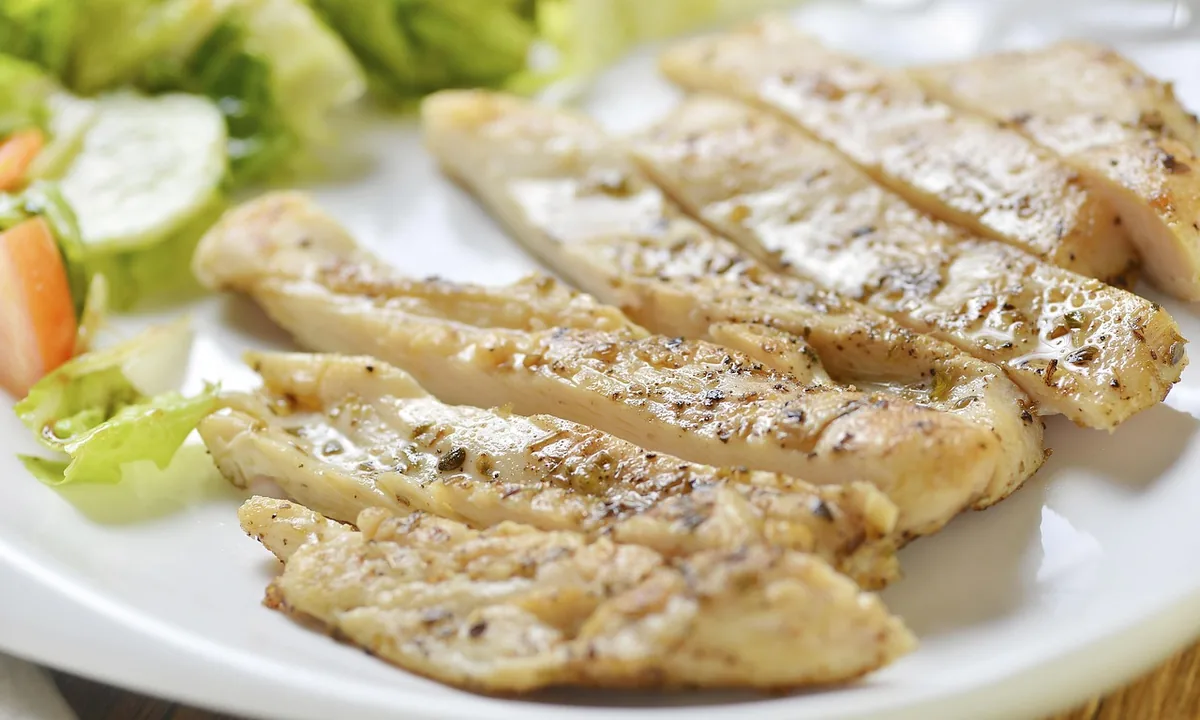
Smoked chicken cooks for a long time at low heat, which can dry it out. A brine helps a lot. Use a wet brine with a little brown sugar for 4 to 8 hours, then pat dry and let the chicken air-dry in the fridge for an hour so the smoke sticks and the skin isn’t rubbery. Our smoked chicken breast and smoked chicken thighs both start this way.
For grilling, keep the sugar low or skip it. Sugar burns quickly over a hot fire.
Brine Chicken for Fried Chicken
Fried chicken is where a brine really shines, because the coating seals in whatever seasoning the meat has. Two good options:
- Salt-water brine, then buttermilk: brine the pieces 2 to 4 hours, drain, then soak them in plain buttermilk for 1 hour before dredging. The buttermilk helps the flour coating stick.
- Seasoned buttermilk brine: whisk 1 tablespoon kosher salt, 1 teaspoon black pepper, 1 teaspoon paprika and a few dashes of hot sauce into 2 cups of buttermilk. Soak bone-in pieces 4 to 12 hours, or boneless tenders 2 to 4 hours.
Let excess liquid drip off before dredging, and fry until the thickest piece reaches 165°F. Our Korean fried chicken is another crispy option.
Equilibrium Brining (Exact Salt, No Timer)
If you want perfectly seasoned chicken every time and don’t want to watch the clock, try an equilibrium brine. Instead of a strong brine for a short time, you use a weak brine that can’t over-salt the meat, no matter how long it sits.
- Weigh the chicken and the water you’ll use to cover it.
- Add them together and multiply by 0.01 to 0.015. That’s how many grams of salt to dissolve in the water (1 to 1.5 percent).
- Brine at least 12 hours and up to 48 hours in the fridge.
Because the salt level of the brine and the meat end up equal, the chicken is seasoned exactly right. It’s a favorite method for meal prep and for smoked chicken.
Brining Chicken for Meal Prep
Brined chicken breasts stay juicier when reheated, which makes them great for meal prep. Brine 3 to 4 pounds of breasts on Sunday, bake or grill them, cool them quickly and slice. Store them in sealed containers for 3 to 4 days in the fridge or freeze them for up to 3 months. Use them in salads, wraps, grain bowls and pasta all week. Reheat gently, covered, with a splash of water or broth.
What About “Enhanced” Store-Bought Chicken?
Some packaged chicken has already been injected with a salt solution. Look at the label for words like “enhanced,” “contains up to 15% chicken broth” or “solution added.” That chicken is already brined. Brining it again will make it too salty. Buy chicken labeled “no added solution,” “air-chilled” or “all natural” with only chicken in the ingredients if you plan to brine. Kosher chickens are also pre-salted during processing, so skip the brine for those too.
Food Safety Tips for Brining
- Keep it cold. Brine chicken only in the fridge (40°F or below), never on the counter.
- Use a food-safe container. Zip-top bags, glass, stainless steel or food-grade plastic. Avoid aluminum, which can react with salt.
- Never reuse brine or use it as a sauce. Pour it out after use.
- Clean up well. Wash the container, sink and anything the raw chicken touched with hot, soapy water.
- Don’t brine frozen chicken. Thaw it in the fridge first. You can brine while finishing a thaw only if the chicken stays fully submerged in the fridge.
- Cook within a day after brining. Raw chicken keeps 1 to 2 days in the fridge, according to the FoodSafety.gov cold food storage chart.
Common Chicken Brine Mistakes
| Mistake | What happens | Fix |
|---|---|---|
| Brining too long | Spongy, salty meat | Follow the chart; take it out and dry it if you’re delayed |
| Using table salt by volume as if it were kosher | Far too salty | Use the chart or weigh the salt |
| Brining “enhanced” chicken | Too salty | Check the label; skip brining if it says “contains up to X% solution” |
| Not drying before cooking | Pale, soggy skin | Pat dry; air-dry uncovered 1 hour |
| Salting the rub as usual | Salty crust | Use a salt-free rub or half the salt |
| Warm brine | Unsafe; chicken sits too warm | Cool the brine completely first |
Chicken Brine FAQ
What is the best brine for chicken?
A simple 3 percent brine: ¼ cup Diamond Crystal kosher salt (or 3 tablespoons Morton) and 2 tablespoons sugar per quart of water. Add garlic, herbs and pepper for more flavor.
Do you rinse chicken after brining?
For a standard brine, a quick rinse isn’t required; just pat it very dry. If you brined longer or used a stronger brine, rinse briefly and dry well, then clean the sink.
Is it worth brining chicken?
For lean cuts like breasts and whole chickens, yes. You’ll notice juicier, better-seasoned meat. For thighs and wings, a dry brine is quicker and just as good.
Can you brine chicken for too long?
Yes. In a wet brine, more than about 2 hours for boneless breasts or 12 hours for a whole chicken can make the meat spongy and salty.
Can I brine chicken overnight?
A whole chicken, yes. For boneless breasts, use a weaker brine (half the salt) or a dry brine if you want to leave them overnight.
Does brining make chicken salty?
Not if you use the right ratio and time. Properly brined chicken tastes well-seasoned, not salty.
Can I add vinegar to a chicken brine?
A small splash is fine for flavor, but keep the brining time short. Strong acid makes the outside of the meat mushy and chalky.
Does a dry brine work as well as a wet brine?
For flavor and juiciness, a dry brine is about as good, and it gives crisper skin. A wet brine is faster for boneless breasts and adds a little more moisture.
Brined Chicken Breast Recipe Card
This card uses the basic chicken brine to make juicy baked chicken breasts. Calories are an estimate per breast based on USDA FoodData Central values for chicken breast and olive oil; most of the brine is poured away, so it adds very little.

Brined Baked Chicken Breasts
Ingredients
Equipment
Method
- Warm 1 cup water with the salt, sugar, garlic, thyme and peppercorns until the salt dissolves. Stir in the remaining 3 cups cold water and cool completely.
- Put the chicken in a bag or dish, cover with the cold brine and refrigerate 1 to 2 hours.
- Heat the oven to 425°F. Remove the chicken, discard the brine and pat the chicken very dry.
- Rub with olive oil and season with paprika, garlic powder and pepper (no extra salt).
- Bake on a sheet pan 18 to 22 minutes, until the thickest part reaches 165°F. Rest 5 minutes before slicing.


