

Blog
Sous Vide Chicken Breast: Perfect Time and Temperature

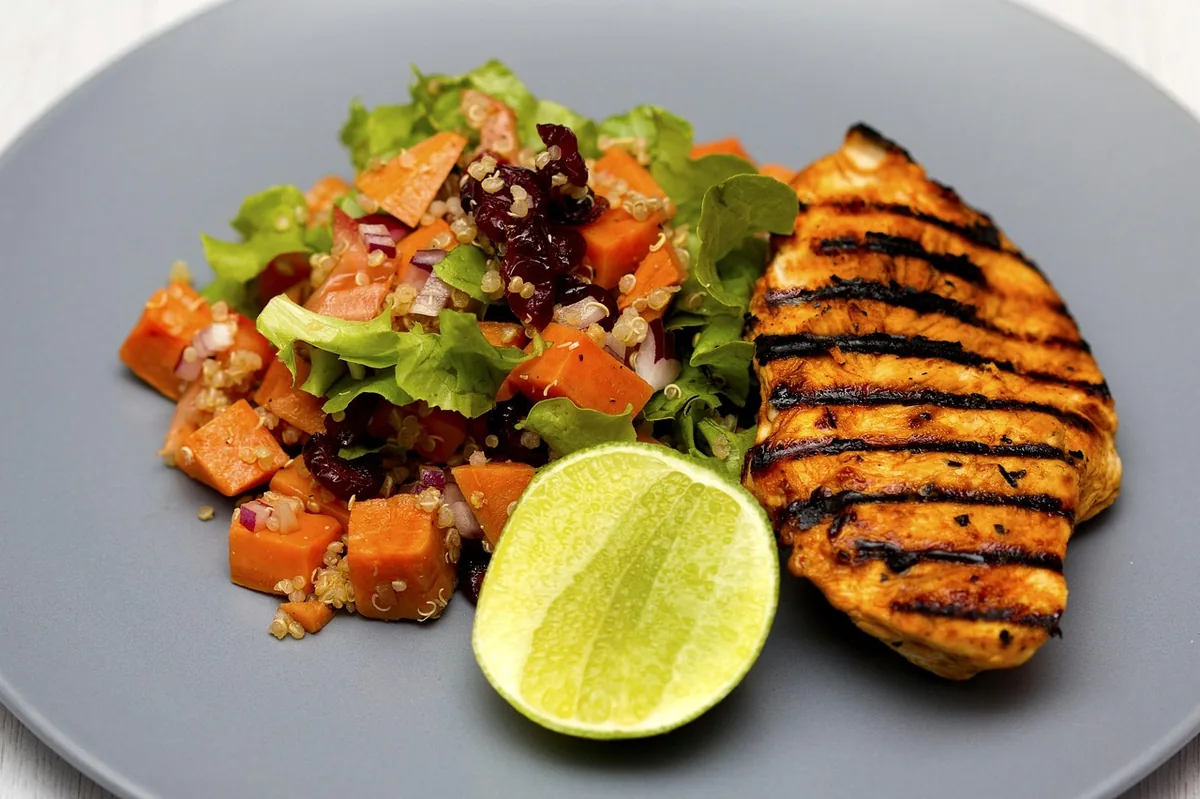
Sous vide chicken breast is the easiest way to get perfectly juicy chicken every time. The chicken cooks in a sealed bag in a water bath held at an exact temperature, so it can never overcook past that point. After a quick sear for color, you get tender, evenly cooked breasts from edge to edge, with no dry outer layer. It’s ideal for meal prep, salads, sandwiches and weeknight dinners.
This guide gives you a time and temperature chart for every texture, explains the food safety behind cooking chicken below 165°F, and walks you through seasoning, bagging, cooking, searing and storing. The printable recipe card is at the bottom of the page.
Sous Vide Chicken Breast Time and Temperature Chart
These settings are for boneless, skinless breasts up to 1½ inches (4 cm) thick, starting from the refrigerator. For thicker breasts, or if you cook them from frozen, add 1 hour.
| Water bath | Time | Texture |
|---|---|---|
| 145°F (63°C) | 2 to 4 hours | Very juicy and tender, slightly translucent; the most popular choice |
| 150°F (66°C) | 1½ to 4 hours | Juicy, a little firmer, opaque white |
| 155°F (68°C) | 1½ to 4 hours | Firmer, closer to traditionally cooked chicken |
| 165°F (74°C) | 1 to 3 hours | Matches USDA’s home-cooking temperature; firm but still moist |
Don’t leave chicken in the bath for more than about 4 hours. It stays safe, but the texture can turn soft and mushy.
Is Sous Vide Chicken Safe Below 165°F?
USDA’s advice for home cooks is to cook all poultry to 165°F (74°C), because at that temperature bacteria such as Salmonella are destroyed almost instantly. See the FoodSafety.gov safe minimum internal temperature chart.
Bacteria are also killed at lower temperatures; it just takes longer. That’s why time matters as much as temperature. USDA’s Food Safety and Inspection Service publishes time-and-temperature tables for food processors showing how long poultry must be held at lower temperatures to reach the same safety level as 165°F. At 145 to 155°F, those holding times are measured in minutes, not hours. The times in our chart give the center of the chicken first time to come up to the bath temperature, and then much longer than that at temperature.
To cook below 165°F safely at home, follow these rules:
- Use an accurate sous vide circulator and check the water temperature with a thermometer the first time you use it.
- Cook for at least the minimum time in the chart. Shorter times may leave the center undercooked.
- Never cook chicken below 140°F (60°C) with this method.
- Start with cold chicken straight from the refrigerator and put it in the bath as soon as it’s bagged.
If you’re cooking for someone who is pregnant, a young child, an older adult or anyone with a weakened immune system, use the 165°F (74°C) setting for extra peace of mind.
Why You’ll Love Sous Vide Chicken Breast
- Juicy every single time. No guessing, no dry chicken.
- Hands-off. Once it’s in the bath, you’re free for at least an hour and a half.
- Flexible timing. Dinner running late? The chicken can wait in the bath within the time range.
- Great for meal prep. Cook a big batch, chill it fast, and slice it all week.
Ingredients for Sous Vide Chicken Breast
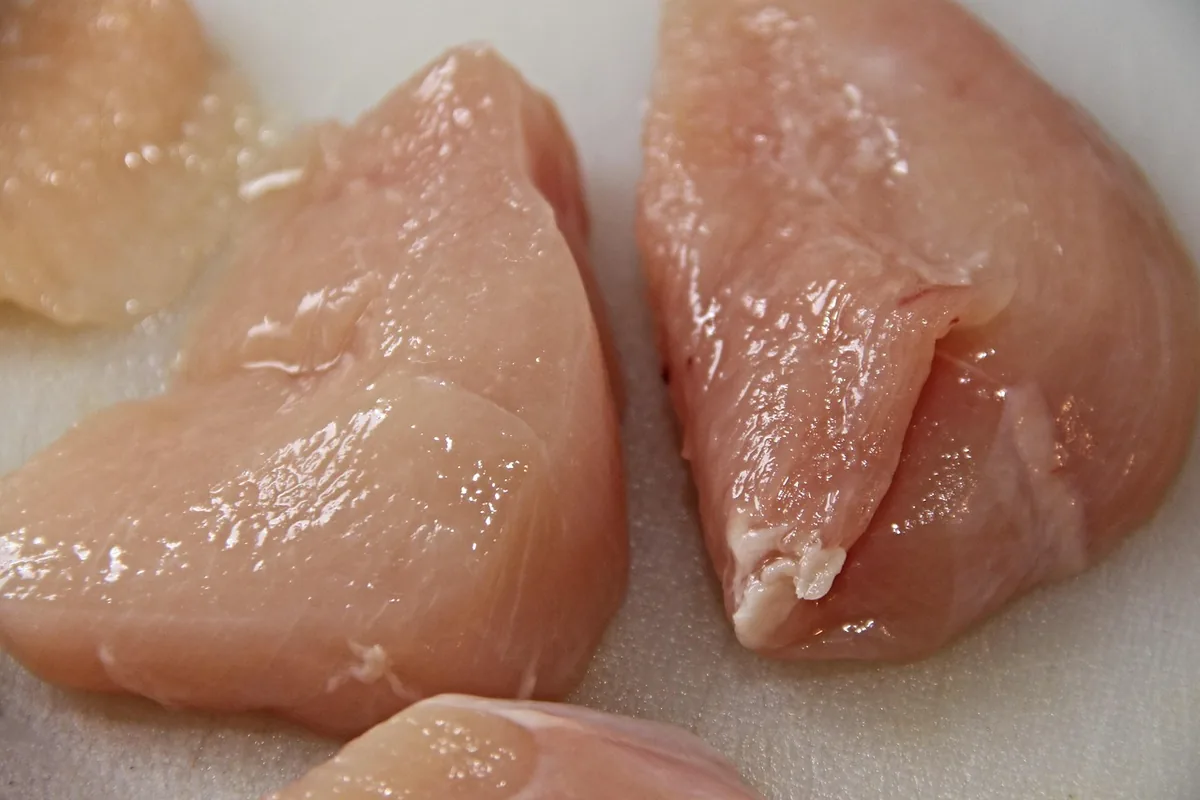
- Boneless, skinless chicken breasts, 4 (about 8 oz / 225 g each). Try to choose breasts of a similar thickness.
- Diamond Crystal kosher salt, 2 teaspoons (6 g), or 1 teaspoon table salt.
- Black pepper, ½ teaspoon.
- Garlic powder, ½ teaspoon. Powder flavors the chicken evenly; raw garlic can taste harsh after sous vide cooking.
- Fresh thyme or rosemary, 4 sprigs (optional).
- Lemon zest, 4 wide strips (optional).
- Neutral oil, 1 tablespoon (15 ml), for searing.
- Unsalted butter, 1 tablespoon (14 g), optional, for searing.
Equipment You Need
- A sous vide immersion circulator
- A large pot or container deep enough to cover the chicken by at least 1 inch (2.5 cm) of water
- A vacuum sealer and bags, or heavy-duty freezer zip-top bags labeled safe for cooking
- A clip or binder clip to hold the bags to the side of the pot
- A cast-iron or heavy skillet for searing
How to Make Sous Vide Chicken Breast (Step by Step)
1. Heat the water bath
Fill the pot with water, attach the circulator, and set it to your chosen temperature from the chart, for example 145°F (63°C). Covering the pot with a lid or plastic wrap helps the water heat faster and stay steady.
2. Season
Pat the chicken dry. Mix the salt, pepper and garlic powder and sprinkle evenly over both sides of each breast.
3. Bag the chicken
Place the breasts in a single layer in the bag, not overlapping, and add the herb sprigs and lemon zest. Vacuum seal the bag. If you’re using zip-top bags, use the water displacement method: lower the open bag slowly into the water so the pressure pushes the air out, then seal it just above the waterline.
4. Cook
When the water reaches temperature, lower the bag into the bath and clip it to the side so the chicken stays fully submerged. Cook for the time in the chart: at least 2 hours at 145°F, or 1½ hours at 150 to 155°F.
5. Dry and sear
Remove the chicken from the bag, discard the herbs and zest, and pat it very dry with paper towels. Heat the oil in a skillet over high heat until it just begins to smoke. Sear the chicken for 45 to 60 seconds per side, adding the butter for the last 30 seconds if you like, until golden. Keep the sear short; the chicken is already cooked.
6. Rest briefly and slice
Sous vide chicken doesn’t need a long rest. Let it sit for 2 minutes, then slice across the grain and serve.
Tips for the Best Sous Vide Chicken
- Keep the breasts in a single layer so the water reaches all sides evenly.
- Watch for floating bags. Trapped air makes bags float and cook unevenly. Weigh them down with a heavy plate or spoon if needed.
- Dry the surface well before searing. Moisture prevents browning.
- Sear hot and fast to add color without raising the inside temperature much.
- Add flavor after cooking with a sauce, glaze or a sprinkle of flaky salt.
Flavor Variations
- Lemon herb: lemon zest and thyme, as in the recipe, plus a pinch of red pepper flakes if you like heat.
- Cajun: season with 2 teaspoons Cajun seasoning instead of the garlic powder and pepper, and reduce the salt if your blend is salty.
- Italian: 1 teaspoon Italian seasoning and a little grated Parmesan after searing.
- Honey garlic glaze: after searing, brush with 2 tablespoons honey mixed with 1 tablespoon soy sauce and ½ teaspoon garlic powder.
- Your own rub: our homemade chicken seasoning works well; use about 1 tablespoon for 4 breasts.
Ways to Use Sous Vide Chicken Breast
- Sliced over a Caesar or grain salad
- In wraps, sandwiches and quesadillas
- Diced into a creamy chicken noodle casserole (it’s already cooked, so it’s perfect)
- Tossed into fried rice; try our 5-ingredient fried rice
- With roasted vegetables and rice for meal-prep bowls
Prefer dark meat? Try our air fryer chicken thighs for crispy skin with very little effort.
How to Store, Freeze and Reheat
- Chill quickly. If you’re not eating the chicken right away, leave it sealed and plunge the bag into a bowl of half ice and half water for 30 to 60 minutes, until completely cold, then refrigerate.
- Refrigerate cooked chicken within 2 hours and eat it within 3 to 4 days.
- Freeze the chilled, sealed bags for about 2 to 3 months for best quality.
- Reheat: USDA advises reheating leftovers to 165°F (74°C). Many sous vide cooks instead rewarm the sealed bag in the water bath at the original cooking temperature for 45 to 60 minutes, which keeps it juicy; if you’re cooking for anyone at higher risk, reheat to 165°F. Or enjoy it cold, sliced into salads and sandwiches.
These times follow the FoodSafety.gov cold food storage chart.
Sous Vide Chicken Breast FAQs
What is the best temperature for sous vide chicken breast?
145°F (63°C) gives the most tender, juicy result and is the most popular choice. Choose 150 to 155°F for a firmer texture, or 165°F (74°C) to match USDA’s home-cooking guideline.
How long does sous vide chicken breast take?
For breasts up to 1½ inches thick, cook 2 to 4 hours at 145°F, 1½ to 4 hours at 150 to 155°F, or 1 to 3 hours at 165°F. Add 1 hour if they’re thicker or frozen.
Why is my sous vide chicken pink?
Chicken cooked at 145°F can look slightly pink or translucent even when it’s fully cooked and held long enough to be safe. Color isn’t a reliable sign of doneness; time and temperature are.
Can I sous vide frozen chicken breasts?
Yes. Season them before freezing, or bag them frozen, and add 1 hour to the cooking time.
Do I have to sear sous vide chicken?
No, it’s fully cooked out of the bag. Searing just adds color and flavor. For salads or meal prep, you can skip it.
Sous Vide Chicken Breast Recipe Card
Here is the full recipe in a printable card. Calories are an estimate per breast based on USDA FoodData Central values for boneless, skinless chicken breast plus the searing oil and butter. Find more dinner ideas in our chicken recipes.

Sous Vide Chicken Breast
Ingredients
Equipment
Method
- Heat a water bath with a sous vide circulator to 145°F (63°C), or another temperature from the chart.
- Pat the chicken dry and season both sides with the salt, pepper and garlic powder.
- Seal the breasts in a single layer in a bag with the herbs and lemon zest, removing as much air as possible.
- Submerge and cook at least 2 hours and up to 4 hours at 145°F (1 1/2 to 4 hours at 150 to 155°F; 1 to 3 hours at 165°F). Add 1 hour for very thick or frozen breasts.
- Remove from the bag, pat very dry, and sear in a smoking-hot oiled skillet 45 to 60 seconds per side, adding butter at the end if you like.
- Rest 2 minutes, slice and serve. To store, chill the sealed bag in ice water before refrigerating.


