

Blog
Steak au Poivre Recipe (Peppercorn Cream Sauce)

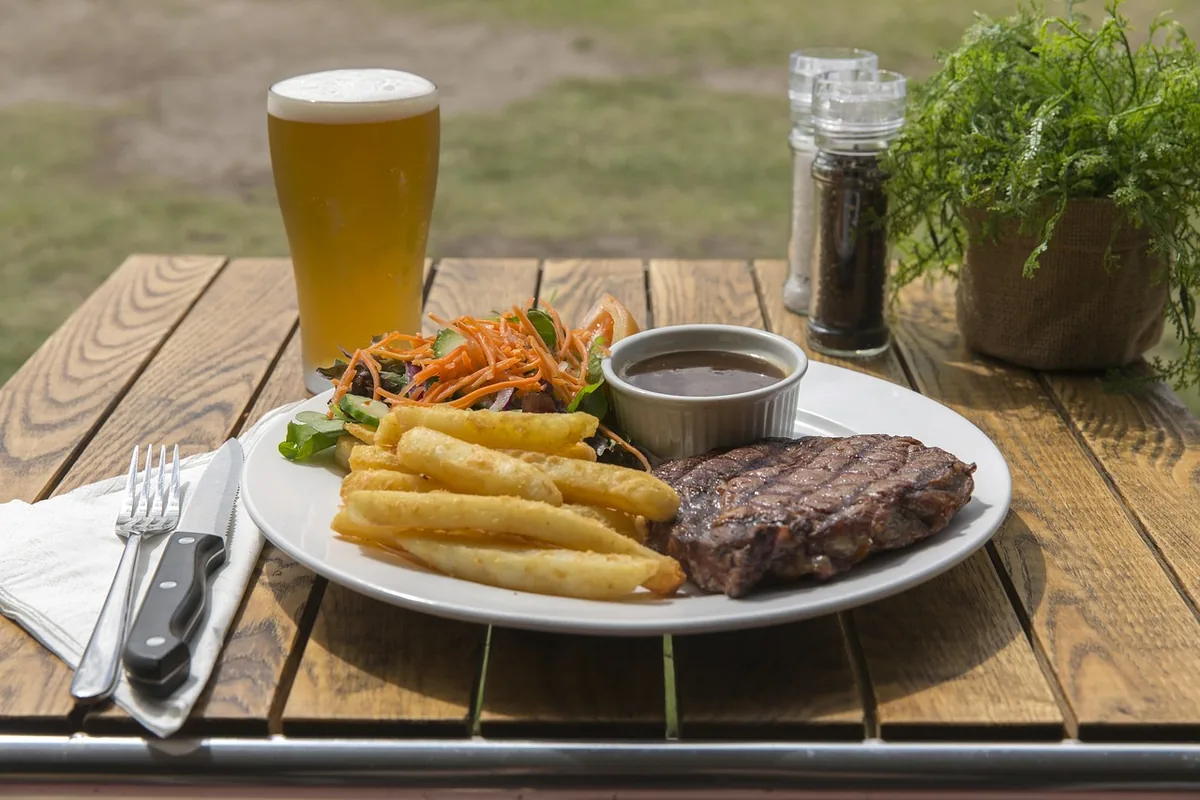
This steak au poivre recipe is the French bistro classic made at home: thick strip steaks pressed with coarsely crushed black peppercorns, seared in a hot skillet, and finished with a silky cognac and cream pan sauce. It sounds fancy, but it takes about 30 minutes and one pan. The pepper crust is bold and aromatic rather than harshly spicy, and the creamy sauce ties it all together.
Below you’ll find the ingredients, how to crush the pepper, step-by-step searing and sauce instructions, how to flambé safely (or skip the alcohol), and the doneness temperatures to aim for. The printable recipe card is at the bottom of the page.
What Is Steak au Poivre?
“Au poivre” means “with pepper” in French. The dish is a well-marbled steak coated on both sides with cracked black peppercorns, pan-seared, and served with a sauce made in the same pan from shallots, cognac or brandy, stock and cream. It’s often served with fries, as in a Paris bistro, or with mashed potatoes and green beans.
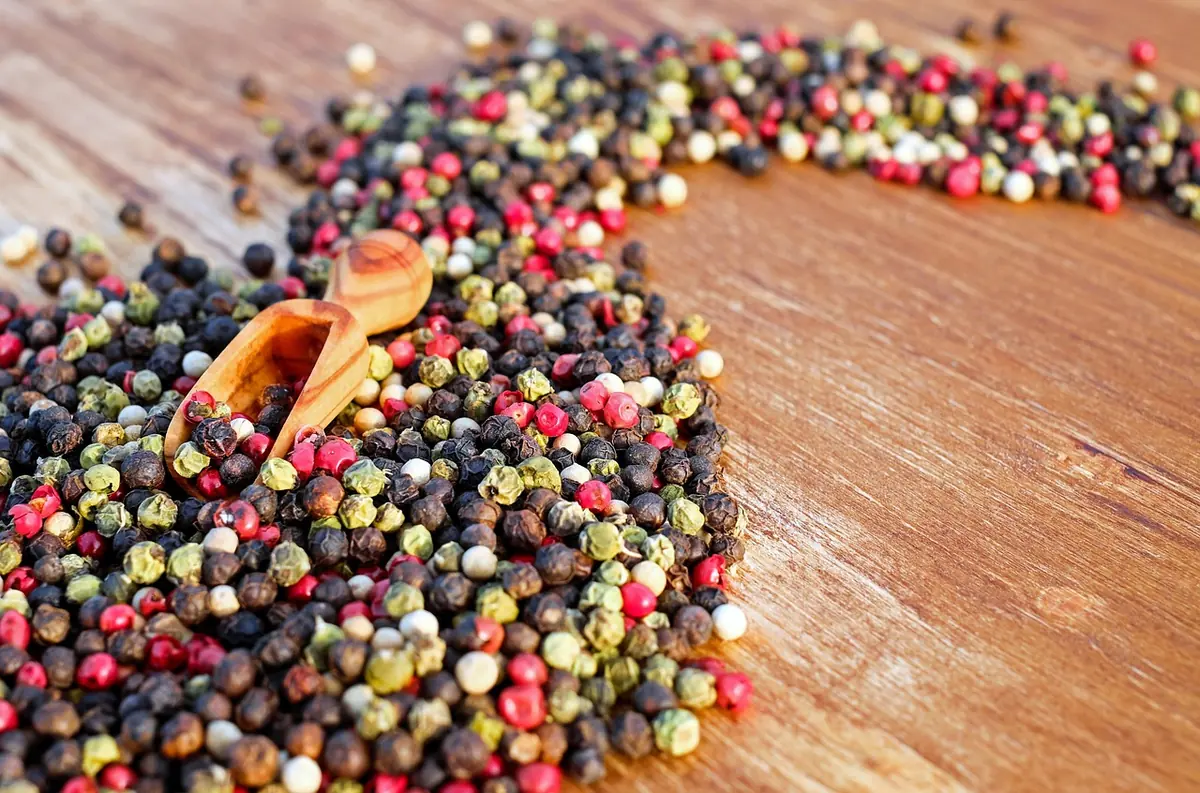
Peppercorn steak is sometimes made with a mix of black, white, green and pink peppercorns. Black peppercorns are the classic, and the easiest to find.
Why You’ll Love This Steak au Poivre
- Restaurant flavor in 30 minutes, with one skillet.
- A pan sauce that uses the browned bits left from searing, so nothing goes to waste.
- Bold but balanced: coarsely crushed pepper is fragrant, and the cream softens its heat.
- Special-occasion ready for date night or a small dinner party.
Ingredients for Steak au Poivre
For the steaks
- New York strip steaks, 2 (about 12 oz / 340 g each), 1 to 1¼ inches (2.5 to 3 cm) thick. Ribeye or filet mignon also work.
- Whole black peppercorns, 1½ tablespoons, or a mix of black and other peppercorns.
- Diamond Crystal kosher salt, 1½ teaspoons, or ¾ teaspoon table salt.
- Neutral oil, 1 tablespoon (15 ml), such as avocado or canola.
- Unsalted butter, 1 tablespoon (14 g).
For the cognac cream sauce
- Shallot, 1 small, finely minced (about 2 tablespoons).
- Cognac or brandy, ⅓ cup (80 ml). See the no-alcohol option below.
- Beef stock, ½ cup (120 ml), low sodium.
- Heavy cream, ½ cup (120 ml).
- Dijon mustard, 1 teaspoon (optional).
- Cold unsalted butter, 1 tablespoon (14 g).
- Salt, to taste.
Equipment You Need
- A 12-inch cast-iron or heavy stainless steel skillet (not nonstick, which won’t build browned bits for the sauce)
- A mortar and pestle, a spice grinder on its coarsest setting, or a heavy pan to crush the peppercorns
- Tongs, an instant-read thermometer, and a long kitchen lighter if you plan to flambé
- A pan lid that fits the skillet, kept nearby
How to Make Steak au Poivre (Step by Step)
1. Crush the peppercorns
Crush the peppercorns coarsely: you want cracked pieces, not fine powder. Use a mortar and pestle, pulse briefly in a spice grinder, or put them in a zip-top bag and press with the bottom of a heavy skillet. Shake the crushed pepper in a fine sieve to remove the dusty powder, which can taste harsh and burn.
2. Season the steaks
Pat the steaks dry and season both sides with the salt. Spread the crushed pepper on a plate and press each side of the steaks firmly into it, so the pepper sticks in an even layer. Leave the edges plain. Let the steaks sit at room temperature for 20 to 30 minutes while you prepare the shallot and sauce ingredients.
3. Sear
Heat the skillet over medium-high heat for 3 to 4 minutes, then add the oil. When it shimmers, add the steaks. Cook without moving for 4 to 5 minutes, until a deep brown crust forms. Flip, add the butter, and cook for 3 to 5 minutes more, spooning the foaming butter over the steaks.
4. Check the temperature and rest
For medium-rare, remove the steaks at 125 to 130°F (52 to 54°C) in the thickest part; for medium, at 135 to 140°F (57 to 60°C). USDA recommends cooking beef steaks to 145°F (63°C) with a 3-minute rest. Move the steaks to a plate and let them rest while you make the sauce.
5. Start the sauce
Pour off all but about 1 tablespoon of fat from the skillet. Lower the heat to medium, add the shallot and cook, stirring, for 1 minute, until softened. Don’t let any loose pepper in the pan scorch.
6. Add the cognac safely
Take the skillet off the heat first, then pour in the cognac from a measuring cup, never from the bottle. Return the pan to medium heat and let the cognac bubble and reduce by about half, about 1 minute, scraping up the browned bits. If you want to flambé, see the safety steps below.
7. Add stock and cream
Add the beef stock and simmer until reduced by about half, 2 to 3 minutes. Stir in the cream and Dijon, and simmer for 2 to 3 minutes more, until the sauce is thick enough to coat the back of a spoon. Pour in any juices from the resting steaks.
8. Finish and serve
Turn off the heat and swirl in the cold butter until glossy. Taste and add salt if needed. Slice the steaks, or serve them whole, with the sauce spooned over and around.
How to Flambé Safely (Optional)
Flambéing is dramatic, but it isn’t required; simmering the cognac gives a similar flavor. If you do flambé:
- Turn off the exhaust fan, tie back long hair, and clear anything flammable from around the stove. Don’t flambé under low cabinets.
- Always add the alcohol with the pan off the heat, measured in a cup, never poured from the bottle.
- Return the pan to the burner and ignite the edge of the sauce with a long kitchen lighter, keeping your face and arms back.
- Let the flames die down on their own, usually within 30 seconds. If they don’t, slide the lid over the pan to put them out.
Flambéing and simmering don’t remove all of the alcohol, so use the no-alcohol version below if you’re serving children or anyone avoiding alcohol.
Steak au Poivre Doneness Temperatures
| Doneness | Remove from heat at | After resting |
|---|---|---|
| Medium-rare | 125 to 130°F (52 to 54°C) | 130 to 135°F (54 to 57°C) |
| Medium | 135 to 140°F (57 to 60°C) | 140 to 145°F (60 to 63°C) |
| USDA recommended | 145°F (63°C) | Rest at least 3 minutes |
Medium-rare and medium are below USDA’s recommendation. See the FoodSafety.gov safe minimum internal temperature chart for the official guidance.
Tips for the Best Peppercorn Steak
- Crush the pepper coarsely and sift out the dust. Fine powder makes the crust bitter and fiery.
- Press firmly so the pepper stays on the steak instead of in the pan.
- Use medium-high, not maximum heat. Pepper burns faster than meat browns.
- Choose thick steaks. At 1 inch or more, the crust has time to form before the center overcooks.
- Don’t boil the cream hard. A gentle simmer keeps the sauce smooth.
Variations and Substitutions
- No alcohol: replace the cognac with an extra ⅓ cup (80 ml) beef stock and add 1 teaspoon balsamic vinegar for depth.
- Green peppercorn sauce: add 1 tablespoon drained green peppercorns in brine with the cream for a milder, fruity pepper flavor.
- Filet mignon au poivre: use four 6 oz (170 g) filets, about 1½ inches thick, and sear 3 to 4 minutes per side.
- Lighter sauce: use half-and-half and simmer a little longer, or finish with 2 tablespoons crème fraîche off the heat.
Want to master the sear first? Our Denver steak uses the same skillet and butter-basting method, and our flat iron steak recipe shows a quick marinated version.
What to Serve With Steak au Poivre
- French fries, for classic steak frites. For another bistro-style steak dinner, try our bavette steak.
- Mashed potatoes or potato gratin to soak up the sauce
- Green beans with butter, roasted asparagus or a simple green salad
- Crusty bread
- For dessert, a slice of our easy chocolate cake
How to Store and Reheat
- Refrigerate leftover steak and sauce separately within 2 hours, and eat within 3 to 4 days.
- Reheat the sauce gently in a small pan, adding a splash of stock if it’s too thick. Warm sliced steak briefly in the sauce, just until heated, so it doesn’t overcook.
Storage times follow the FoodSafety.gov cold food storage chart.
Steak au Poivre FAQs
What cut of steak is best for steak au poivre?
New York strip is the classic choice because it is well marbled and holds a pepper crust well. Ribeye and filet mignon also work. Choose steaks at least 1 inch thick.
Is steak au poivre spicy?
It has a warm, aromatic pepper flavor rather than a burning heat, especially when the pepper is coarsely crushed and the fine dust is sifted out. The cream sauce mellows it further.
Can I use pre-ground black pepper?
It’s not recommended. Pre-ground pepper is too fine and can taste dusty and harsh. Freshly cracked whole peppercorns give the best crust and flavor.
Can I make the sauce without cream?
Yes. Reduce the stock a little more and finish with 2 tablespoons cold butter for a lighter, glossy pan sauce.
What can I use instead of cognac?
Any brandy works, as does bourbon or whiskey. For a no-alcohol sauce, use extra beef stock with a teaspoon of balsamic vinegar.
Steak au Poivre Recipe Card
Here is the full steak au poivre recipe in a printable card. Calories are an estimate per serving based on USDA FoodData Central values for cooked strip steak, cream, butter and cognac. Find more ideas in our steak recipes.

Steak au Poivre with Cognac Cream Sauce
Ingredients
Equipment
Method
- Coarsely crush the peppercorns and sift out the fine dust.
- Pat the steaks dry, salt both sides, and press the pepper firmly onto both sides. Rest 20 to 30 minutes.
- Heat a skillet over medium-high heat, add the oil, and sear the steaks 4 to 5 minutes. Flip, add the butter, and cook 3 to 5 minutes more, basting.
- Remove at 125 to 130°F (52 to 54°C) for medium-rare or 135 to 140°F (57 to 60°C) for medium (USDA recommends 145°F / 63°C plus a 3-minute rest). Rest on a plate.
- Pour off all but 1 tablespoon fat. Over medium heat, cook the shallot 1 minute.
- Take the pan off the heat, add the cognac, then return to the heat and reduce by half, scraping up the browned bits.
- Add the stock and reduce by half, then the cream and Dijon, and simmer until the sauce coats a spoon.
- Off the heat, add the resting juices and swirl in the cold butter. Season and spoon over the steaks.


