

Blog
Turtle Cheesecake Recipe (Chocolate, Caramel and Pecan Cheesecake)

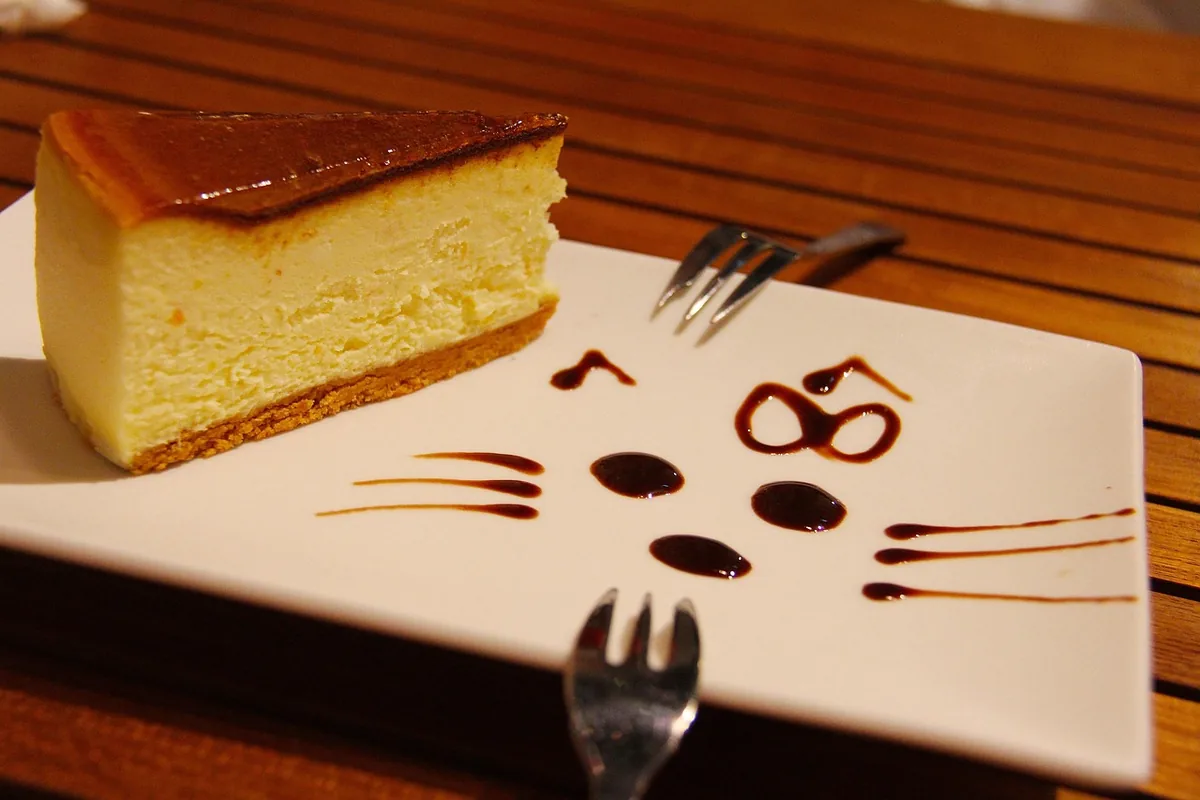
This turtle cheesecake stacks everything people love about turtle candies onto a creamy baked cheesecake: a crunchy chocolate cookie and pecan crust, a smooth vanilla cream cheese filling, a layer of soft homemade caramel, a glossy chocolate ganache drizzle and a crown of toasted pecans. It looks like a bakery cake, but every step is simple, and most of the time is hands-off baking and chilling.
Below you’ll find what makes a cheesecake “turtle,” the ingredients and why each one matters, a step-by-step method with a gentle water bath, a quick caramel sauce, doneness signs, pan sizes and bake times, crack prevention, variations including a no-bake version and bars, a troubleshooting table, and how to store and freeze it. The printable recipe card for one 9-inch cheesecake (16 slices) is at the bottom.
What Is a Turtle Cheesecake?
“Turtle” is a candy-shop name for the trio of chocolate, caramel and pecans. Classic turtle candies are pecan halves set in a puddle of caramel and capped with chocolate; the pecans poke out like a turtle’s head and feet, which is where the name comes from. Any dessert that layers those three flavors gets called turtle: turtle brownies, turtle cookies, turtle cake and, maybe best of all, turtle cheesecake.
In this version each flavor has its own place:
- Chocolate in the cookie crust and in the ganache drizzle on top.
- Caramel as a thick, buttery sauce spread over the chilled cheesecake and drizzled on each slice.
- Pecans chopped into the crust and toasted whole on top for crunch.
The vanilla cheesecake in the middle stays plain on purpose. Its gentle tang balances the very sweet caramel and keeps each slice from tasting like straight candy.
Why This Turtle Cheesecake Recipe Works
- Crust with real pecan flavor. Chopped pecans go into the chocolate cookie crumbs, so the nutty taste runs from bottom to top.
- A creamy, dense filling that sets cleanly. Four blocks of full-fat cream cheese, a little sour cream and a spoonful of flour give a New York-style texture that slices neatly.
- Low oven, water bath. Baking at 325°F (163°C) with a pan of hot water keeps the edges from overbaking and the top from cracking.
- Caramel that stays soft. The brown sugar caramel uses cream and butter, so it sets thick on a cold cheesecake but never turns hard or sticky like candy.
- Toppings go on after chilling. Adding caramel, ganache and pecans to a cold cheesecake keeps the layers neat and the nuts crisp.
Ingredients and Why Each One Matters
For the chocolate pecan crust
- Chocolate sandwich cookie crumbs (1¾ cups, about 200 g). Grind whole cookies, filling and all, in a food processor (about 20 cookies). Chocolate wafer cookies work too and give a darker, less sweet crust.
- Finely chopped pecans (½ cup, 55 g). They add flavor and help the crust hold together.
- Unsalted butter (5 tablespoons, 70 g), melted. Binds the crumbs. If you use chocolate wafers, which are drier, add 1 more tablespoon.
For the cheesecake filling
- Full-fat brick cream cheese (32 oz, 907 g), softened. Four 8-ounce blocks. Tub-style spreadable cream cheese has more water and makes a looser filling. Leave the blocks on the counter about 1 hour so the batter mixes smooth without overbeating.
- Granulated sugar (1 cup, 200 g). Sweetens the filling without making it heavy. The caramel adds plenty of sweetness later.
- All-purpose flour (3 tablespoons). A small amount guards against cracks and gives cleaner slices.
- Sour cream (½ cup, 120 g), room temperature. Adds a gentle tang and a silky texture.
- Pure vanilla extract (2 teaspoons).
- Large eggs (4), room temperature. They set the filling. Cold eggs can make the batter lumpy.
For the caramel sauce
- Packed light brown sugar (1 cup, 200 g). Brown sugar caramel is quick and forgiving; there’s no need to watch white sugar change color.
- Heavy cream (½ cup, 120 ml).
- Unsalted butter (4 tablespoons, 56 g).
- Fine salt (¼ teaspoon) and vanilla (1 teaspoon). The salt keeps the caramel from tasting flat.
For the ganache and topping
- Semisweet chocolate (4 oz, 113 g), finely chopped, or 2/3 cup semisweet chips.
- Heavy cream (½ cup, 120 ml). Melts the chocolate into a pourable drizzle.
- Pecan halves (1 cup, 100 g), toasted. For the turtle crown on top.
Equipment You Need
- 9-inch springform pan with sides at least 2½ inches tall
- Heavy-duty aluminum foil, or a slow-cooker liner or oven bag to wrap the pan
- Roasting pan large enough to hold the springform pan with room for water
- Food processor or a zip-top bag and rolling pin for the crumbs
- Hand mixer or stand mixer with the paddle
- Small saucepan for the caramel, and a heatproof bowl for the ganache
- Instant-read thermometer (optional, but handy)
How to Make Turtle Cheesecake, Step by Step
1. Make and pre-bake the crust
Heat the oven to 350°F (175°C) with a rack in the center. Wrap the outside of the springform pan in two layers of heavy-duty foil, bringing it up the sides, so water can’t leak in later. Stir the cookie crumbs, chopped pecans and melted butter together until they look like damp sand. Press firmly into the bottom of the pan and about 1 inch up the sides, using the flat bottom of a measuring cup. Bake 10 minutes, then cool while you make the filling. Lower the oven to 325°F (163°C) and put a kettle of water on to boil.
2. Mix the filling without overbeating
Beat the softened cream cheese on medium-low speed for about 2 minutes, until completely smooth, scraping the bowl and paddle twice. Add the sugar and flour and beat 1 minute more. Mix in the sour cream and vanilla. Add the eggs one at a time on low speed, mixing just until each disappears. Stop as soon as the batter is smooth. Beating on high whips in air, and those bubbles rise, puff and crack in the oven.
The batter contains raw eggs and raw flour, so skip tasting it. The FDA advises against eating raw dough or batter for that reason.
3. Bake in a water bath
Pour the filling over the crust and tap the pan on the counter a few times to release large bubbles. Set the wrapped pan in the roasting pan, place it on the oven rack, then pour boiling water into the roasting pan to come about 1 inch up the sides. Bake at 325°F for 60 to 70 minutes, until the outer 2 to 3 inches are set and slightly puffed and the center still wobbles like set gelatin when you nudge the pan. An instant-read thermometer in the center should read about 150°F (66°C).
4. Cool slowly and chill
Turn off the oven, prop the door open a few inches and leave the cheesecake inside for 1 hour. This slow cool is one of the best ways to prevent a crack. Lift it out of the water, remove the foil, run a thin knife around the edge and cool on a rack until no longer warm, about 1 hour more. Cover loosely and refrigerate at least 6 hours, or overnight.
5. Toast the pecans and make the caramel
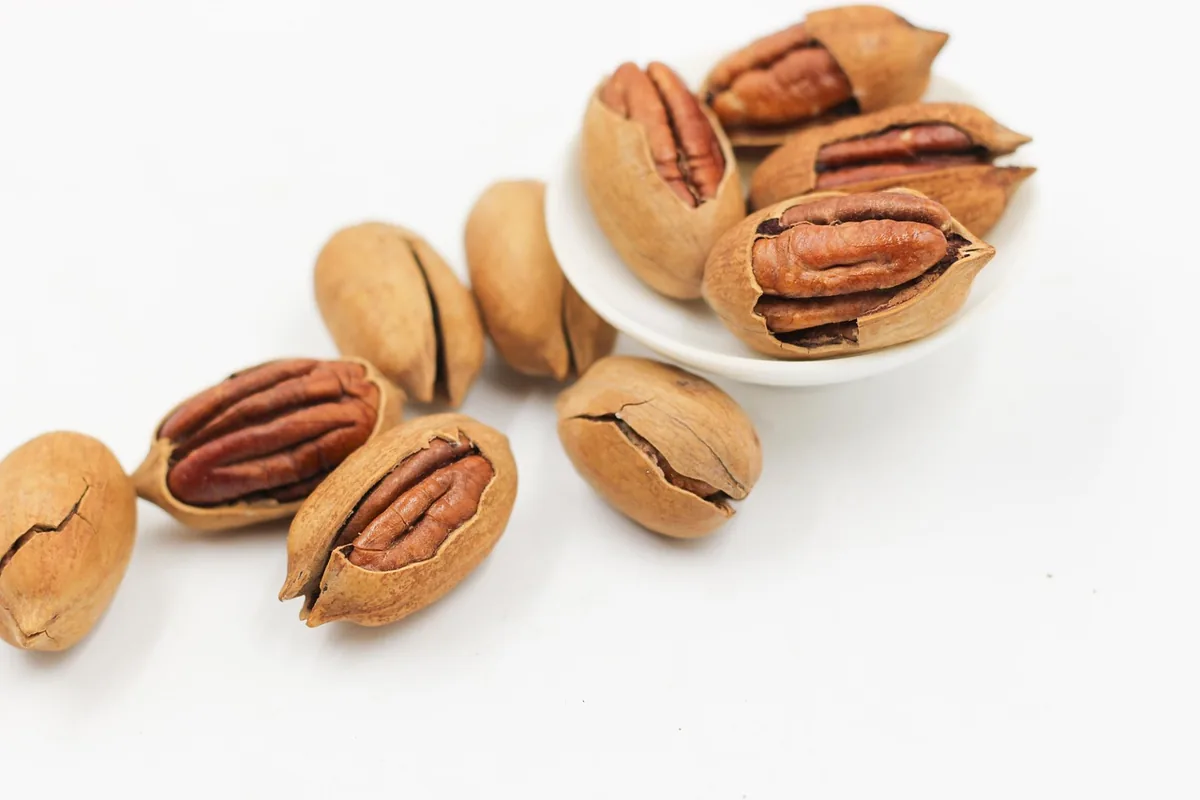
Spread the pecan halves on a sheet pan and toast at 350°F for 6 to 8 minutes, until fragrant and a shade darker. For the caramel, melt the butter in a small saucepan over medium heat, stir in the brown sugar, cream and salt, and bring to a gentle boil. Simmer 4 to 5 minutes, stirring often, until it thickens slightly and coats a spoon. Take it off the heat, stir in the vanilla, and cool about 30 minutes. It thickens a lot as it cools, which is what you want.
6. Make the ganache and finish the turtle cheesecake
Heat the cream until it just steams, pour it over the chopped chocolate, wait 3 minutes, then stir until glossy. Let it cool 10 minutes. Remove the cold cheesecake from the pan onto a serving plate. Spread about two-thirds of the cooled caramel over the top, leaving a ½-inch border so it can drip down the sides a little. Arrange the toasted pecans over the caramel, then drizzle the ganache back and forth with a spoon. Chill 20 minutes to set. Save the rest of the caramel to warm and spoon over slices.
Homemade Caramel vs Store-Bought for Turtle Cheesecake
Homemade brown sugar caramel takes about 10 minutes, but you have shortcuts. Here’s how the common options compare on a cheesecake:
| Caramel option | How it behaves on a cold cheesecake | Tips |
|---|---|---|
| Homemade brown sugar caramel (this recipe) | Thick, soft, spreadable; doesn’t harden | Cool 30 minutes before spreading so it doesn’t run off |
| Jarred caramel sauce | Often thinner; can slide off the sides | Choose a thick “topping” style; chill the jar, then stir |
| Melted caramel candies | Firm and chewy once cold | Melt 25 unwrapped caramels with 3 tablespoons cream on low heat |
| Dulce de leche | Very thick, milky flavor | Loosen with 1 tablespoon warm cream before spreading |
| Salted caramel | Same as homemade, with a salty edge | Add ½ teaspoon flaky salt over the finished top |
Water Bath or No Water Bath?
A water bath surrounds the pan with steady, moist heat. The edges bake more slowly, the center catches up, and the surface stays smooth. It’s the most reliable way to get a creamy, crack-free top, which matters less here than for a plain cheesecake, since caramel and pecans cover the top anyway.
If you’d rather skip it, place a pan of hot water on the rack below the cheesecake instead. The steam still helps. Expect the edges to bake a little firmer and the cheesecake to finish about 5 to 10 minutes sooner, so start checking at 55 minutes. A leak-proof alternative to foil is to set the springform pan inside a slightly larger cake pan before placing it in the water.
How to Tell When the Cheesecake Is Done
Overbaking is the most common cheesecake mistake. Use these signs together rather than relying only on the clock:
| Check | Underbaked | Just right | Overbaked |
|---|---|---|---|
| Jiggle test | Whole top ripples like liquid | Edges firm, center 3–4 inches wobbles as one piece | Nothing moves at all |
| Surface | Glossy and wet looking | Matte, pale, edges lightly puffed | Browned, puffed high, cracking |
| Center temperature | Below 140°F (60°C) | About 150°F (66°C) | Above 160°F (71°C) |
| After chilling | Soft, sticky center | Dense, creamy, clean slices | Dry, grainy, cracked |
The center keeps cooking from stored heat as it cools in the oven, so pull it while it still wobbles.
How to Prevent Cracks
- Soften everything. Room-temperature cream cheese, sour cream and eggs blend smoothly with less beating.
- Mix on low. Air bubbles expand in the oven and then collapse, which pulls the surface apart.
- Use the water bath or at least a pan of steaming water in the oven.
- Don’t overbake. Stop at the wobble.
- Cool slowly. An hour in the turned-off oven, then the counter, then the fridge.
- Loosen the edge. Running a knife around the pan right after it comes out lets the cheesecake shrink without tearing.
If a crack forms anyway, don’t worry. On a turtle cheesecake the caramel and pecans hide it completely.
Pan Sizes and Bake Times
The same batter adapts to different pans. Times are for 325°F with a water bath or steam pan; always use the wobble test.
| Pan | Filling amount | Approximate bake time | Yield |
|---|---|---|---|
| 9-inch springform (this recipe) | Full batch | 60–70 minutes | 12–16 slices |
| 10-inch springform | Full batch | 50–60 minutes (thinner) | 16 slices |
| 8-inch springform | ¾ batch (24 oz cream cheese, 3 eggs) | 55–65 minutes | 10–12 slices |
| 9×13-inch pan for bars | Full batch | 40–45 minutes, no water bath needed | 24–32 bars |
| Standard muffin cups with liners | Half batch | 18–22 minutes at 325°F | 18–20 minis |
For small portions, our mini cheesecake recipe covers muffin-tin baking in detail; spoon a little caramel and a pecan half on each to make turtle minis.
Turtle Cheesecake Variations
- Turtle cheesecake bars. Press the crust into a parchment-lined 9×13 pan, bake the full filling 40 to 45 minutes, chill, then top and cut into squares. Great for parties.
- No-bake turtle cheesecake. Beat 24 oz cream cheese with 1 cup powdered sugar and 1 teaspoon vanilla, fold in 1½ cups heavy cream whipped to stiff peaks, spread over an unbaked crust and chill 8 hours before adding toppings. The texture is lighter and mousse-like.
- Chocolate turtle cheesecake. Beat 6 oz melted, cooled semisweet chocolate into the filling after the eggs.
- Caramel swirl. Drop spoonfuls of cooled caramel over the filling before baking and swirl with a knife.
- Gluten-free crust. Use gluten-free chocolate sandwich cookies and replace the flour in the filling with 2 tablespoons cornstarch.
- Walnut or toffee turtle. Swap walnuts for pecans, or scatter crushed toffee bits with the nuts.
Love the chocolate, coconut and pecan combination? Our German chocolate cake recipe is the layer-cake cousin of these turtle flavors.
Turtle Cheesecake Troubleshooting
| Problem | Likely cause | Fix next time |
|---|---|---|
| Lumpy batter | Cream cheese or eggs too cold | Soften 1 hour; beat cream cheese alone first |
| Big crack across the top | Overbaking, high speed mixing or fast cooling | Stop at the wobble, mix on low, cool in the oven |
| Soggy crust | Water leaked through the foil | Use two layers of heavy foil or a larger pan around the springform |
| Crumbly crust that falls apart | Not enough butter or not pressed firmly | Add 1 tablespoon butter; press hard with a cup |
| Caramel runs off the sides | Caramel too warm or too thin | Cool 30 minutes; simmer 1 minute longer next time |
| Ganache looks grainy or oily | Cream too hot or stirred too soon | Rest 3 minutes before stirring; whisk in 1 tablespoon warm cream |
| Soft center after chilling | Underbaked or not chilled long enough | Bake until 150°F in the center; chill overnight |
How to Store, Freeze and Make Ahead
Refrigerate
Cheesecake is a dairy and egg dessert, so keep it in the fridge. Cover it loosely and refrigerate within 2 hours of serving; the FoodSafety.gov cold storage charts explain why perishable foods shouldn’t sit out longer. It keeps well for 3 to 4 days. The pecans soften a little after the first day.
Freeze
Freeze the cheesecake plain, before the caramel, ganache and pecans. Chill until firm, wrap the whole cake or individual slices in plastic wrap and then foil, and freeze up to 2 months. Thaw overnight in the fridge, then add the toppings. Leftover caramel keeps in a covered jar in the fridge for about 2 weeks.
Make-ahead plan
- Two days before: bake and chill the cheesecake.
- One day before: make the caramel and toast the pecans; store separately.
- The day of: warm the caramel slightly, make the ganache, and top the cheesecake 1 to 4 hours before serving.
How to Slice and Serve It
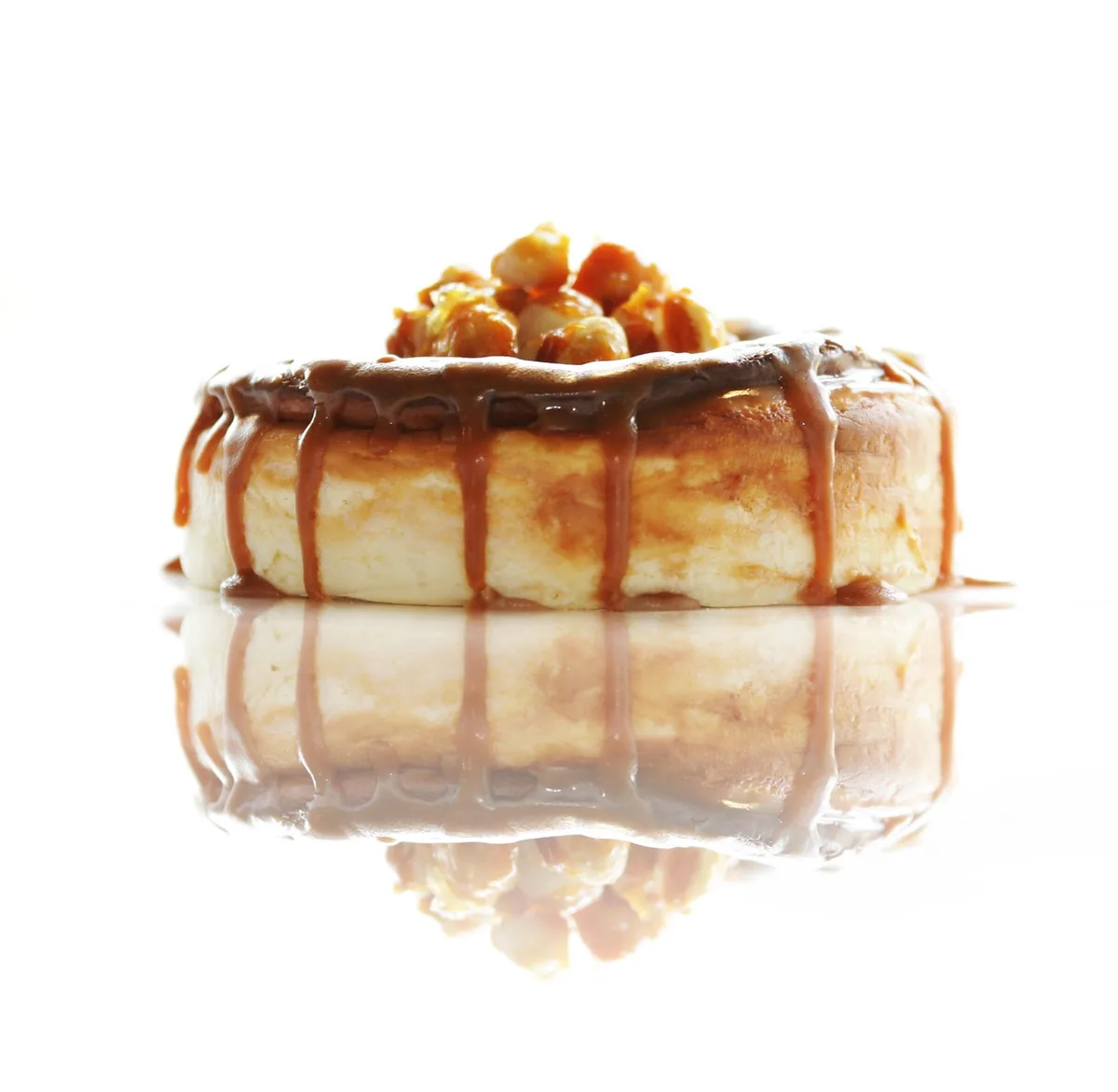
For neat slices, dip a long, thin knife in hot water, wipe it dry, make one cut, then repeat for every slice. A rich turtle cheesecake goes a long way, so 16 slim slices is a generous dessert for a party; cut 12 for bigger appetites. Serve each slice with a spoonful of warm caramel and a few extra pecans.
Good partners are strong coffee, a cold glass of milk or lightly sweetened whipped cream. Building a dessert table? Add a crowd-size pan of churro cheesecake bars, a rich chocolate pound cake or a cozy spice cake for fall. For a simpler weeknight treat with the same chocolate mood, try our chocolate dump cake, or browse all of our cake recipes and dessert recipes.
Turtle Cheesecake FAQ
Why is it called turtle cheesecake?
It’s named after turtle candies, which combine chocolate, caramel and pecans. In the candy the pecan halves stick out like a turtle’s head and legs, and the name carried over to any dessert with that flavor trio.
Can I make turtle cheesecake without a springform pan?
Yes. Line a 9×13 pan with parchment, leaving an overhang, and make turtle cheesecake bars. Bake 40 to 45 minutes and lift them out by the paper after chilling. A deep 9-inch cake pan lined with parchment also works.
How long does it need to chill?
At least 6 hours after cooling, and overnight is best. A fully chilled cheesecake slices cleanly and the flavors settle.
Can I use store-bought caramel?
Yes. Choose a thick caramel topping and use about 1 cup. Thin sauces run off the sides, so chill the jar first or simmer the sauce for a few minutes to thicken it.
Can I use a graham cracker crust?
Yes. Use 1¾ cups graham cracker crumbs, ¼ cup sugar and 6 tablespoons melted butter, plus the chopped pecans. The chocolate cookie crust gives more of a turtle candy flavor, but graham is a classic choice.
How many people does one turtle cheesecake serve?
One 9-inch cheesecake cuts into 12 to 16 slices. It’s very rich, so thinner slices are usually plenty.
Turtle Cheesecake Recipe Card
Calories are an estimate per slice (1/16 of the cheesecake, including all of the caramel, ganache and pecans) based on USDA FoodData Central values for cream cheese, sugar, eggs, sour cream, chocolate sandwich cookies, pecans, butter, brown sugar, heavy cream and semisweet chocolate.

Turtle Cheesecake
Ingredients
Equipment
Method
- Heat the oven to 350°F (175°C). Wrap the outside of the springform pan in two layers of heavy-duty foil.
- Mix the cookie crumbs, chopped pecans and melted butter. Press into the bottom and about 1 inch up the sides of the pan. Bake 10 minutes and cool. Lower the oven to 325°F (163°C) and boil a kettle of water.
- Beat the cream cheese on medium-low about 2 minutes until smooth. Beat in the sugar and flour, then the sour cream and vanilla. Add the eggs one at a time on low speed, mixing just until combined. Do not taste the raw batter.
- Pour the filling over the crust. Set the pan in a roasting pan, place in the oven and pour boiling water about 1 inch up the sides.
- Bake 60 to 70 minutes, until the edges are set and the center 3 to 4 inches still wobbles, about 150°F (66°C) in the center.
- Turn off the oven, prop the door open and leave the cheesecake inside 1 hour. Remove from the water, take off the foil, run a knife around the edge and cool 1 hour on a rack. Refrigerate at least 6 hours or overnight.
- Toast the pecan halves at 350°F for 6 to 8 minutes. For the caramel, melt the butter, add the brown sugar, cream and salt, and simmer 4 to 5 minutes, stirring often. Stir in the vanilla and cool 30 minutes.
- Heat the cream until steaming, pour over the chopped chocolate, wait 3 minutes and stir until smooth. Cool 10 minutes.
- Unmold the cold cheesecake. Spread two-thirds of the caramel over the top, arrange the pecans, and drizzle with ganache. Chill 20 minutes. Slice with a hot, dry knife and serve with the remaining caramel.


