

Blog
Bavette Steak Recipe With Garlic Herb Butter

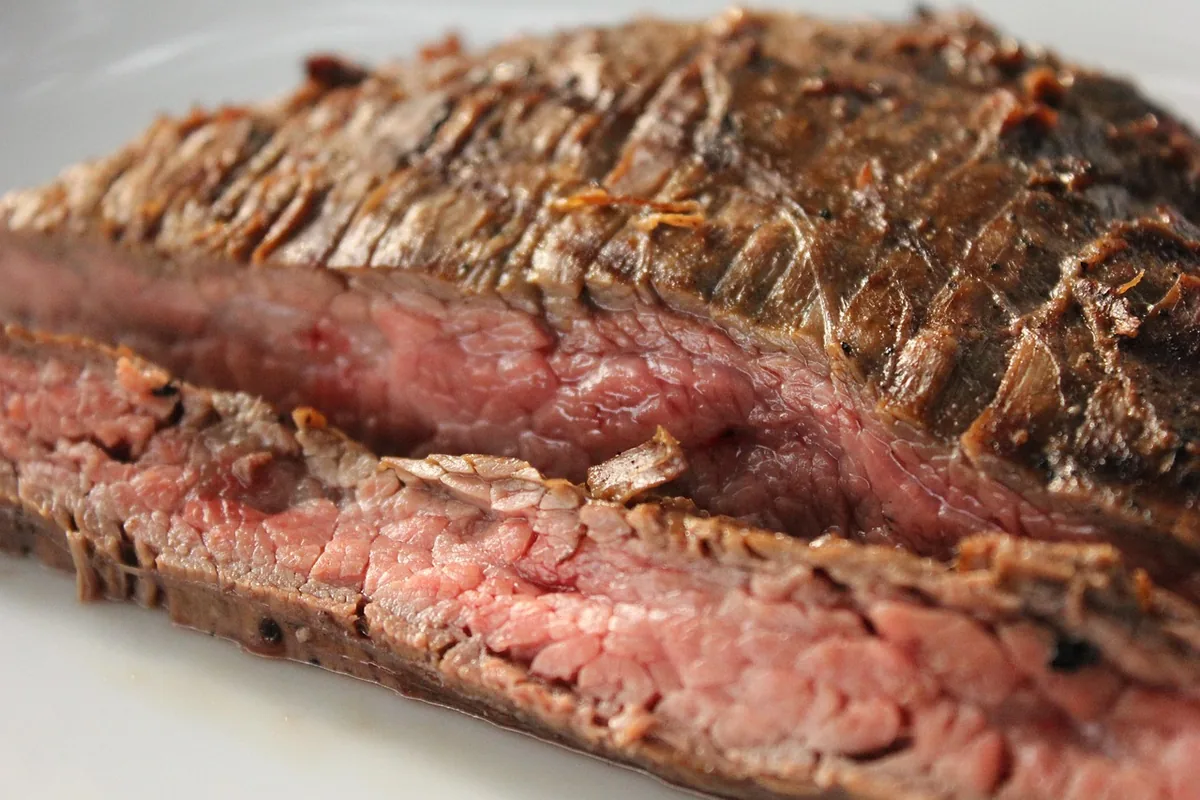
Bavette steak is the butcher’s secret: a deeply beefy, juicy cut with a loose, open grain that soaks up seasoning and grills in about 10 minutes. It usually costs much less than ribeye or strip, and when it is cooked to medium-rare and sliced thinly against the grain, it is wonderfully tender. In this recipe, we keep it simple: salt and pepper, a very hot grill or pan, and a slice of melting garlic herb butter on top.
Below you’ll learn what bavette is, how it compares to flank and skirt, how to cook it on the grill or stove, and the most important step of all: how to slice it. The printable recipe card is at the bottom of the page.
What Is Bavette Steak?
Bavette (pronounced bah-VET) comes from the bottom sirloin of the cow, close to the flank. In the United States, it is also sold as flap steak, flap meat or sirloin flap. The name is French: bavette d’aloyau is the classic bistro cut served with fries as steak frites. (In France, “bavette” can also refer to other thin cuts, but in American butcher shops it almost always means flap steak.)
A whole bavette is a long, flat steak about 1 to 1½ inches (2.5 to 4 cm) thick, often thicker at one end. It has long, coarse muscle fibers that run in one direction, generous marbling, and a rich, beefy flavor.
Bavette vs flank vs skirt steak
- Flank steak is leaner, with a tighter grain. It is a good substitute, but it can be a little drier.
- Skirt steak is thinner and even more loosely grained, with an intense flavor. It cooks faster and is popular for fajitas and carne asada.
- Bavette sits in between: thicker and juicier than skirt, more marbled and tender than flank.
All three cook best hot and fast to medium-rare or medium, and all three must be sliced against the grain.
Why You’ll Love This Bavette Steak Recipe
- Big flavor for less money than premium steaks.
- Fast: about 10 minutes on the grill and 10 minutes of resting.
- Feeds a crowd. One 2 lb (900 g) bavette serves 4 people generously.
- The garlic herb butter takes 5 minutes and makes it taste like a steakhouse dinner.
Ingredients for Bavette Steak
For the steak
- Bavette (flap) steak, 1 piece, about 2 lb (900 g), 1 to 1¼ inches (2.5 to 3 cm) thick. Ask the butcher for “flap meat” if you don’t see bavette.
- Diamond Crystal kosher salt, 2 teaspoons (6 g). Use 1¼ teaspoons if you have Morton kosher salt.
- Coarsely ground black pepper, 1 teaspoon (2 g).
- Neutral oil, 1 tablespoon (15 ml), such as avocado or canola, for the grill grates or pan.
- Flaky sea salt, to finish (optional).
For the garlic herb butter
- Unsalted butter, 4 tablespoons (57 g), softened.
- Garlic, 2 cloves, finely grated or minced.
- Fresh parsley, 1 tablespoon, finely chopped.
- Fresh chives, 1 teaspoon, finely chopped.
- Fresh thyme leaves, ½ teaspoon.
- Lemon zest, ½ teaspoon, plus a pinch each of salt and pepper.
Equipment You Need
- A gas or charcoal grill, or a 12-inch cast-iron skillet
- An instant-read thermometer
- Long tongs
- A large cutting board with a groove for juices, and a sharp carving knife
How to Make Bavette Steak (Step by Step)
1. Make the garlic herb butter
In a small bowl, mash the softened butter with the garlic, parsley, chives, thyme, lemon zest, salt and pepper until evenly mixed. Spoon it onto plastic wrap, roll it into a small log and refrigerate for at least 30 minutes so it can be sliced. If you are short on time, simply keep it soft and spoon it over the steak.
2. Salt the steak ahead
Pat the bavette dry. Before seasoning, look closely at the raw meat and note which way the grain runs; it is much easier to see now than after cooking. Season the steak all over with the kosher salt. For the best flavor and a better crust, salt it at least 40 minutes ahead, or up to 24 hours ahead, and keep it uncovered on a rack in the refrigerator. Take it out 20 to 30 minutes before cooking and season with pepper.
3. Get the grill very hot
Heat a gas grill on high with the lid closed for 10 to 15 minutes, or light a full chimney of charcoal and spread the coals in an even layer. You want direct heat of about 450 to 500°F (230 to 260°C). Clean the grates, then wipe them with a paper towel dipped in the oil, using tongs.
4. Grill hot and fast
Lay the bavette steak over direct heat with the thicker end over the hottest spot. Grill for 4 to 6 minutes per side, flipping once or twice, until well browned with grill marks. Don’t press down on the steak; that squeezes out the juices.
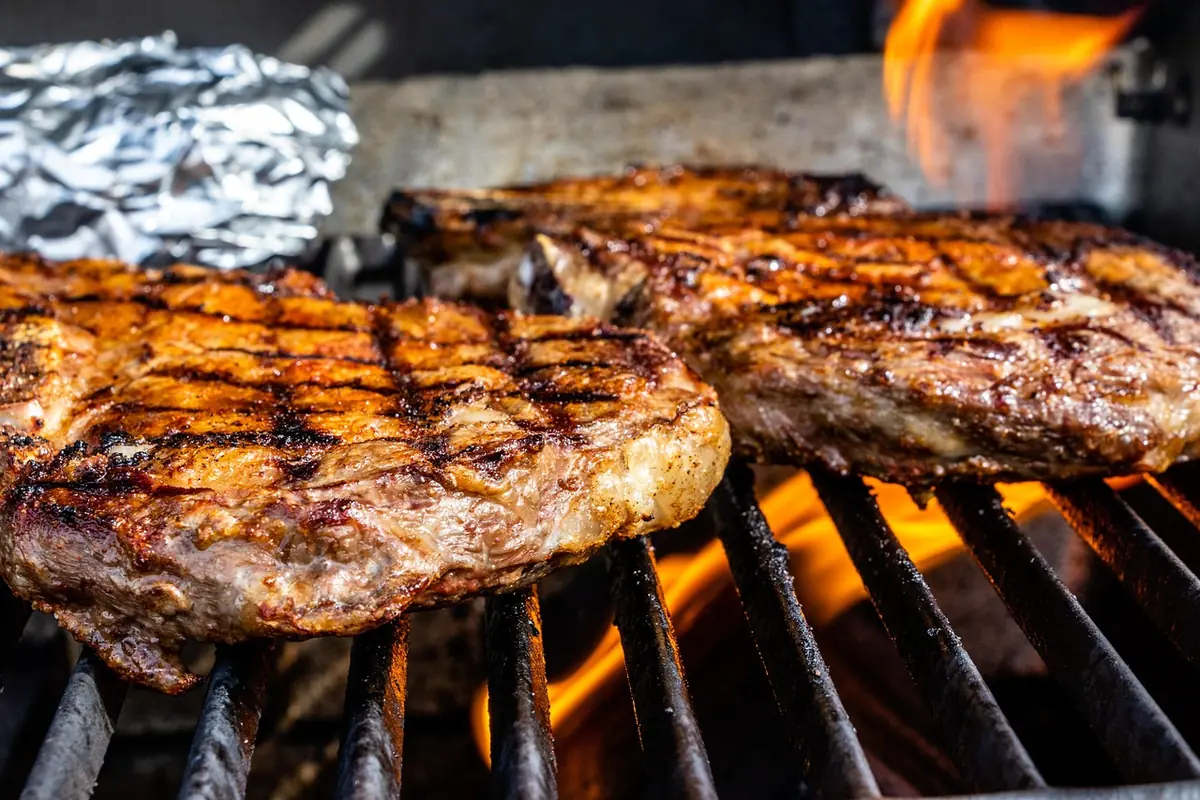
5. Check the temperature
Insert a thermometer into the thickest part, from the side. For medium-rare, remove the steak at 125 to 130°F (52 to 54°C); it will rise a few degrees as it rests. For medium, remove it at 135 to 140°F (57 to 60°C). USDA recommends cooking beef steaks to 145°F (63°C) with a 3-minute rest. Bavette becomes chewier the more it is cooked, so we don’t recommend going past medium.
6. Rest with the butter
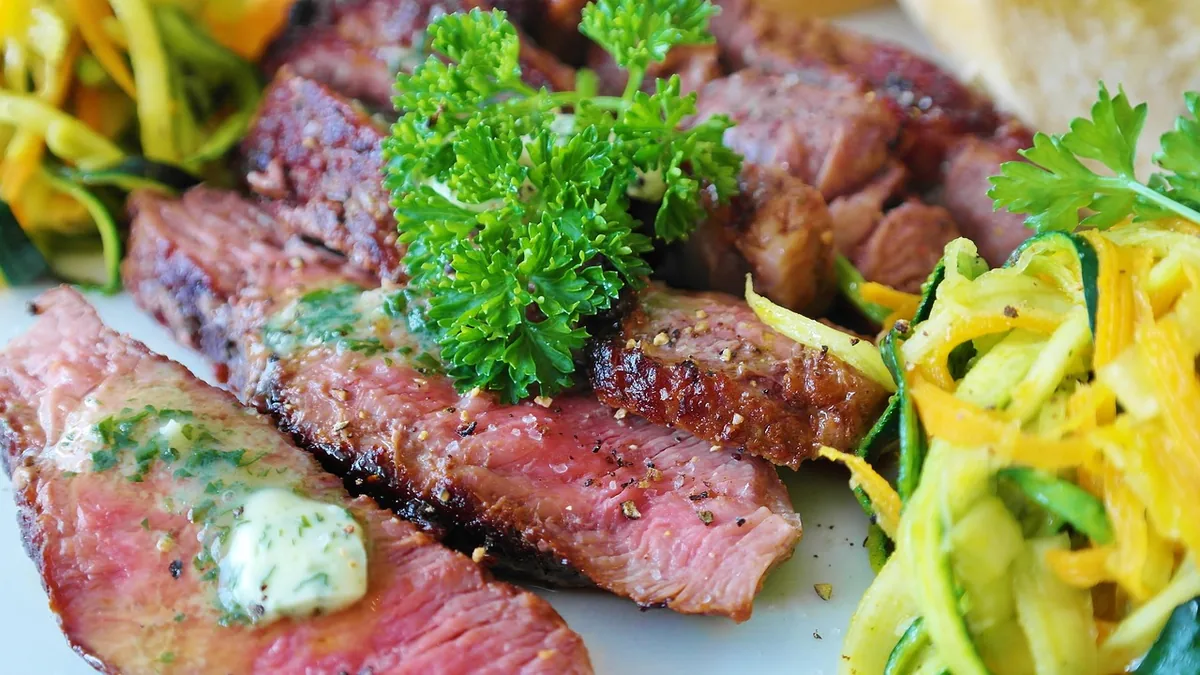
Move the steak to a cutting board, top it with a few slices of garlic herb butter, and rest it for 5 to 10 minutes. The butter melts into the steak and mixes with the juices on the board.
7. Slice against the grain
This step makes the difference between tender and chewy bavette. Because the steak is long, first cut it crosswise into 2 or 3 sections, following the direction you noted earlier. Then turn each section and slice it thinly, about ¼ inch (6 mm), across the grain, holding the knife at a slight angle. Each slice should show short, cut fibers, not long strands. Spoon the buttery juices from the board over the slices, add the remaining butter and a pinch of flaky salt, and serve.
Bavette Steak Doneness Temperatures
| Doneness | Remove from heat at | After resting |
|---|---|---|
| Medium-rare | 125 to 130°F (52 to 54°C) | 130 to 135°F (54 to 57°C) |
| Medium | 135 to 140°F (57 to 60°C) | 140 to 145°F (60 to 63°C) |
| USDA recommended | 145°F (63°C) | Rest at least 3 minutes |
Medium-rare and medium are below the USDA’s recommended temperature for whole cuts of beef. For the official guidance, see the FoodSafety.gov safe minimum internal temperature chart.
How to Cook Bavette Steak on the Stove
No grill? A cast-iron skillet works well. Cut the bavette into 2 or 3 pieces so they fit in the pan without touching. Heat the skillet over medium-high to high heat for 3 to 5 minutes, add the oil, and sear the steaks for 3 to 4 minutes per side until deeply browned. Check the temperature and pull them at the same temperatures as above. Turn on your kitchen fan; a hot pan will smoke. For a pan-basted version with butter, garlic and thyme, follow the method in our Denver steak recipe.
Tips for the Best Bavette Steak
- Slice against the grain. If you remember only one thing, remember this.
- Use high heat. Bavette is thin enough that a hot fire builds a crust before the center overcooks.
- Salt early. Salting 40 minutes or more ahead seasons the meat more deeply and helps the surface dry for better browning.
- Trust the thermometer. Thin steaks go from medium-rare to medium in a minute.
- Manage the thick end. If one end is much thicker, keep it over the hottest part of the grill, or slice the thinner end off and serve it first to those who like their steak more done.
- Don’t skip the rest. Cutting too soon lets the juices run out onto the board.
Easy Variations and Substitutions
- Chimichurri instead of butter: mix ½ cup chopped parsley, 2 minced garlic cloves, 1 teaspoon dried oregano, ½ teaspoon red pepper flakes, 3 tablespoons red wine vinegar, ⅓ cup olive oil and salt to taste.
- Quick marinade: bavette’s open grain takes a marinade well. Marinate it in the refrigerator for 2 to 8 hours in 3 tablespoons soy sauce, 2 tablespoons olive oil, 1 tablespoon Worcestershire sauce, 2 minced garlic cloves and 1 teaspoon brown sugar. Pat it dry before grilling and use only half the salt.
- A different rub: try our homemade steak seasoning instead of plain salt and pepper.
- Swap the cut: flank steak, skirt steak and hanger steak all work with this method. Skirt cooks faster, so start checking it after 2 to 3 minutes per side.
What to Serve With Bavette Steak
- French fries or oven fries, for classic steak frites
- Roasted baby potatoes or mashed potatoes
- A green salad with a sharp mustard vinaigrette
- Grilled asparagus, zucchini or corn on the cob
- Crusty bread to soak up the herb butter
How to Store, Freeze and Reheat
- Raw bavette keeps 3 to 5 days in the refrigerator, much longer than ground beef, which keeps only 1 to 2 days (see how long ground beef lasts in the fridge).
- Cooked steak: refrigerate within 2 hours and eat within 3 to 4 days. It is best stored whole or in large pieces and sliced cold, so it doesn’t dry out.
- Freeze cooked steak, tightly wrapped, for about 2 to 3 months for best quality.
- Reheat slices gently in a skillet with a splash of broth, just until warmed, or enjoy them cold in salads and sandwiches. Our leftover steak recipes have more ideas.
- Garlic herb butter: keep leftovers wrapped in the refrigerator and use within 5 days, or freeze for up to 1 month.
Storage times follow the FoodSafety.gov cold food storage chart.
Bavette Steak FAQs
Is bavette steak the same as flank steak?
No. Bavette (flap steak) comes from the bottom sirloin, while flank comes from the belly muscles right next to it. They look similar and cook the same way, but bavette is usually thicker, more marbled and more tender.
Is bavette a tough cut?
It can be chewy if it is cooked past medium or sliced with the grain. Cooked to medium-rare and sliced thinly across the grain, bavette is tender and juicy.
How long should I cook a 1-inch bavette steak?
Over high heat, about 4 to 6 minutes per side, for a total of 8 to 12 minutes. Always go by temperature: 125 to 130°F (52 to 54°C) for medium-rare, or 145°F (63°C) to follow USDA guidance.
Do I need to marinate bavette steak?
No. Good bavette has plenty of flavor with salt and pepper. A marinade adds flavor if you like, and its loose grain absorbs one well.
What is bavette steak called at the grocery store?
Look for flap steak, flap meat, sirloin flap or sometimes sirloin tips. If you can’t find it, ask the butcher counter; many stores can order it.
Bavette Steak Recipe Card
Calories are an estimate based on USDA FoodData Central values for broiled flank steak, a similar cut, plus the garlic herb butter. Bavette is often a little more marbled, so the real number may be slightly higher. See all our steak recipes for more ideas.

Grilled Bavette Steak with Garlic Herb Butter
Ingredients
Equipment
Method
- Mash the butter with the garlic, parsley, chives, thyme, lemon zest, salt and pepper. Roll into a log in plastic wrap and chill at least 30 minutes.
- Pat the steak dry and note the direction of the grain. Salt all over, at least 40 minutes and up to 24 hours ahead, uncovered on a rack in the fridge. Take it out 20 to 30 minutes before cooking and add the pepper.
- Heat a grill to high direct heat (450 to 500°F / 230 to 260°C). Clean and oil the grates.
- Grill the steak 4 to 6 minutes per side, flipping once or twice, with the thicker end over the hottest spot.
- Remove at 125 to 130°F (52 to 54°C) for medium-rare or 135 to 140°F (57 to 60°C) for medium. USDA recommends 145°F (63°C) plus a 3-minute rest.
- Top with slices of herb butter and rest 5 to 10 minutes.
- Cut into 2 or 3 sections along the grain, then slice each thinly (1/4 inch / 6 mm) against the grain. Spoon over the juices and remaining butter, and finish with flaky salt.


