
Blog
Wild Caught vs Farmed Salmon: Which Should You Buy?

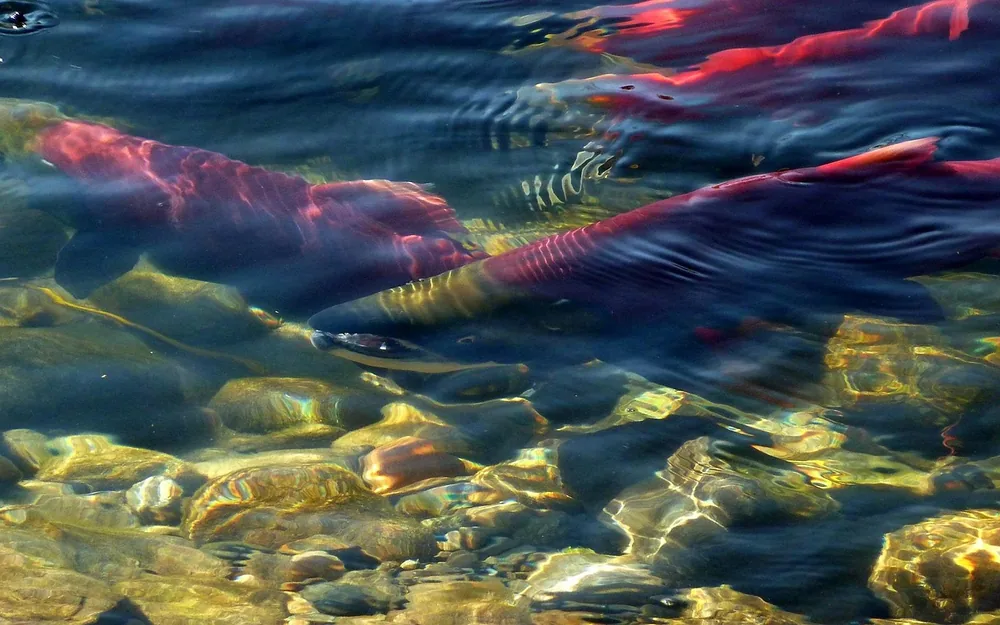
Standing at the fish counter and wondering whether wild caught salmon is worth the extra money? Here’s the short answer: both wild and farmed salmon are healthy, safe choices. Wild salmon is leaner with a firmer texture and a deeper, more “salmony” flavor; farmed salmon is richer, milder, more forgiving to cook and usually cheaper. This guide explains the differences in nutrition, taste, price and labels, and which one to buy for different recipes.
Wild Salmon vs Farmed: The Quick Comparison
| Wild caught salmon | Farmed salmon | |
|---|---|---|
| Species in US stores | Pacific: king (chinook), sockeye (red), coho (silver), pink and keta (chum) | Almost always Atlantic salmon |
| Fat and calories | Leaner; varies by species (king is richest, pink is leanest) | Higher fat and calories |
| Omega-3s | Good source; varies by species | Good source; often similar or higher per serving because of the extra fat |
| Texture and flavor | Firmer, meatier, stronger flavor | Soft, buttery, mild |
| Color | Deep red (sockeye) to pale pink (pink, keta) | Even orange-pink, from pigment in the feed |
| Availability | Fresh mainly in summer; frozen all year | Fresh all year |
| Price | Usually higher, especially king and fresh sockeye | Usually lower |
| Cooking | Overcooks easily; aim for medium | Forgiving; stays moist |
What “Wild Caught Salmon” Means
Wild caught salmon are caught at sea or in rivers after living their whole lives in the wild. In the US, nearly all wild salmon comes from the Pacific, mostly Alaska, and there are five species you’ll see:
- King (chinook): the largest and richest, with a high fat content and a silky texture. The most expensive.
- Sockeye (red): deep red flesh, firm texture and a strong, rich flavor. Great on the grill. See our baked sockeye salmon.
- Coho (silver): medium fat, mild and versatile; a good middle ground.
- Pink: small, pale and lean; mostly sold canned or frozen.
- Keta (chum): lean and mild; often frozen, and also valued for its roe.
“Atlantic salmon” in US stores is farmed. According to NOAA Fisheries, commercial and recreational fishing for wild Atlantic salmon is prohibited in the US, where the remaining wild population is endangered. So if a label says “wild Atlantic salmon,” ask questions.
What Farmed Salmon Means
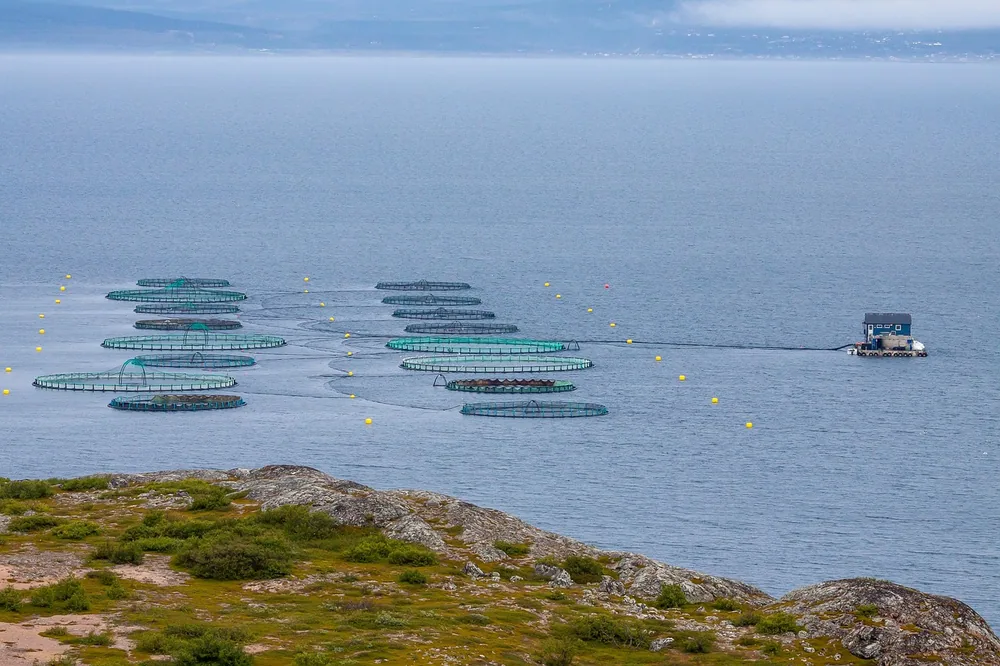
Farmed salmon is raised in net pens in the ocean or in tanks on land, mainly in Norway, Chile, Scotland and Canada, and fed a pellet diet with fish meal, fish oil and plant ingredients. Wild salmon get their color from eating krill and shrimp, which contain a pigment called astaxanthin; farmed salmon get the same pigment in their feed, which is why the label may say “color added.” That’s normal and allowed.
Farming practices vary a lot from country to country and farm to farm. Many fish counters and packages carry third-party certifications for responsible farming, which can help if that matters to you.
Nutrition: Is Wild Salmon Healthier?
Both are very nutritious. Salmon is high in protein, vitamin D, B vitamins, selenium and omega-3 fatty acids (EPA and DHA), and the FDA lists salmon among its “Best Choices,” fish that are lowest in mercury, in its advice about eating fish.
- Calories and fat: farmed Atlantic salmon has about 208 calories and 13 g fat per 100 g raw, according to USDA FoodData Central. Wild Pacific species are leaner, with pink and keta the leanest and king the richest.
- Omega-3s: because farmed salmon is fattier, it often has a similar or higher amount of omega-3s per serving, though the balance of fats differs with its feed.
- Bottom line: the health benefit comes from eating salmon regularly, whichever kind fits your budget. Choose wild if you want leaner fish; farmed is still a healthy choice.
Taste, Texture and How to Cook Each
Wild salmon is leaner, so it cooks faster and dries out more easily. Cook it to medium, around 120°F to 125°F (49°C to 52°C), if you like it moist, or to the official safe temperature of 145°F (63°C) (see below). It’s best grilled, broiled or baked quickly with a little butter or oil, and its stronger flavor stands up to bold glazes.
Farmed salmon has more fat between the layers, so it stays moist even at 145°F and is great for beginners. It’s ideal for pan-searing, roasting, smoking and dishes where a rich, mild fish works well, like our salmon piccata or honey garlic salmon bites.
The FoodSafety.gov safe minimum temperature for fish is 145°F (63°C). Cooking it less is a common preference but below the guideline; cook it fully for anyone pregnant, very young, older or with a weakened immune system.
Which Salmon to Buy for Which Recipe
| Recipe | Best choice | Why |
|---|---|---|
| Grilled or cedar plank | Sockeye, coho or king | Firm flesh holds together; bold flavor loves smoke. Try how to grill salmon. |
| Pan-seared or baked | Farmed Atlantic or coho | Forgiving and moist |
| Smoked | Farmed Atlantic or king | Higher fat stays moist in the smoker. See our smoked salmon. |
| Raw (poke, sushi) | Farmed Atlantic or properly frozen wild fish | See our sushi grade salmon guide |
| Patties, croquettes, salads | Canned pink or sockeye | Budget-friendly wild salmon. See our canned salmon recipes. |
How to Read Salmon Labels
- “Wild” or “farm-raised”: fish sold at US retail stores generally must be labeled with how it was produced and its country of origin under USDA country of origin labeling rules.
- “Atlantic”: farmed.
- Species name: king, sockeye, coho, pink or keta means Pacific salmon, usually wild (some coho and king are farmed too, so check the label).
- “Previously frozen”: very common, and not a bad thing. Frozen-at-sea wild salmon can be better quality than “fresh” fish that’s been on ice for days.
- “Color added”: refers to the astaxanthin in farmed salmon feed.
Tips for Buying Good Salmon
- Look and smell: moist, shiny flesh that springs back, and a clean ocean smell, not fishy or sour.
- Buy frozen wild salmon off-season. Vacuum-sealed, frozen fillets are often the best value and quality outside summer.
- Thaw safely: overnight in the refrigerator, or in the sealed package in cold water. Many vacuum-packed fish labels say to remove the fish from the package before thawing; follow the label.
- Store it cold: keep raw salmon in the fridge and cook it within 1 to 2 days, or freeze it, per the FoodSafety.gov storage chart.
Ready to cook? Browse all our salmon recipes.
Wild Caught Salmon FAQs
Is wild caught salmon better than farmed?
Not automatically. Wild salmon is leaner with a stronger flavor; farmed salmon is richer, milder and cheaper. Both are nutritious and low in mercury. Choose based on taste, budget and recipe.
Why is wild salmon more expensive?
It’s caught seasonally in limited amounts, often in remote areas, and must be processed and shipped quickly or frozen. Farmed salmon is produced year-round in large volumes.
Is all Atlantic salmon farmed?
In US stores, yes. Commercial fishing for wild Atlantic salmon is prohibited in the US.
Is frozen wild salmon as good as fresh?
Often, yes. Salmon frozen quickly after catch keeps its texture and flavor well, and is available all year.
Is canned salmon wild?
Most canned salmon in the US is wild Alaskan pink or sockeye. Check the label.


