
Blog
Easy Baked Sockeye Salmon With Lemon Garlic Butter

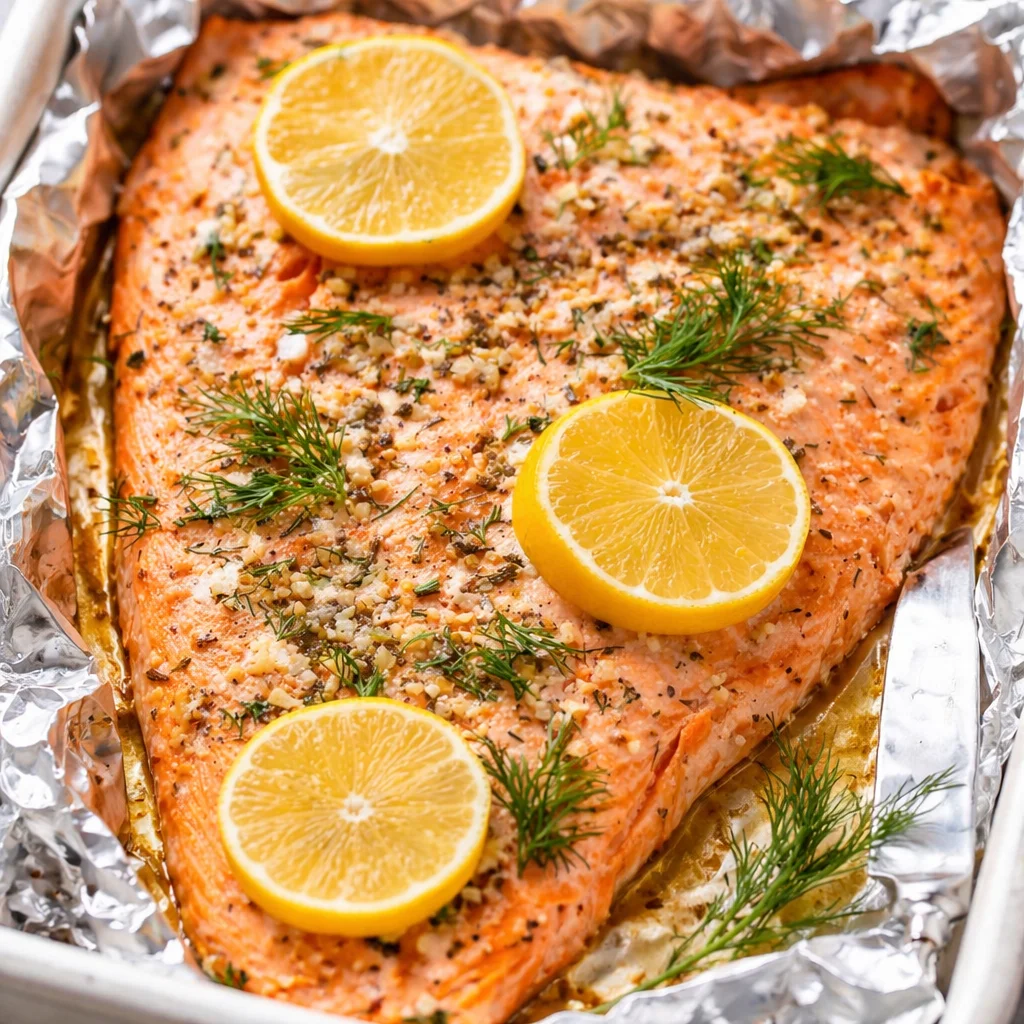
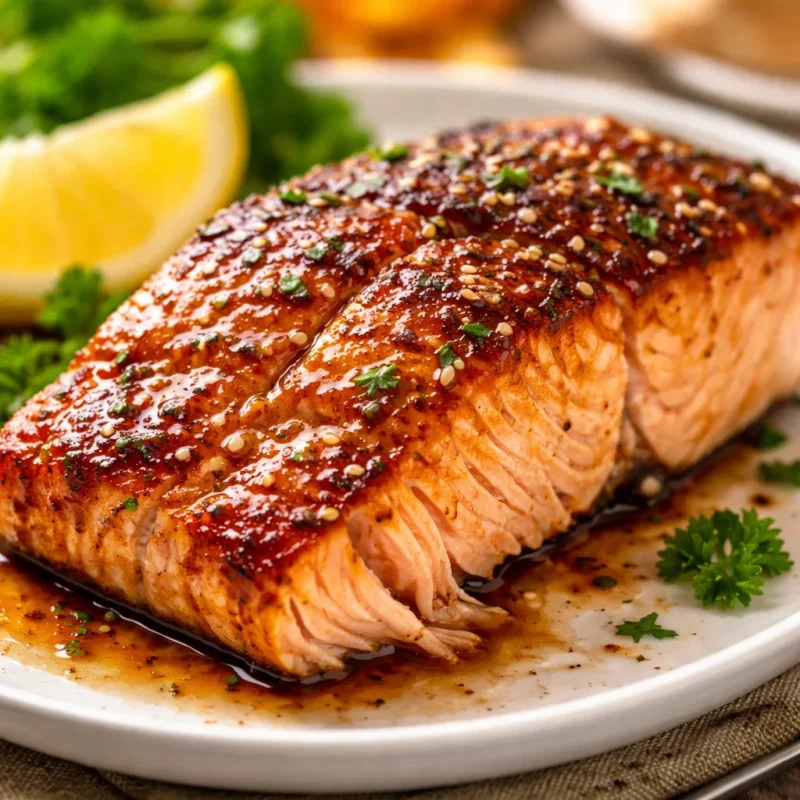
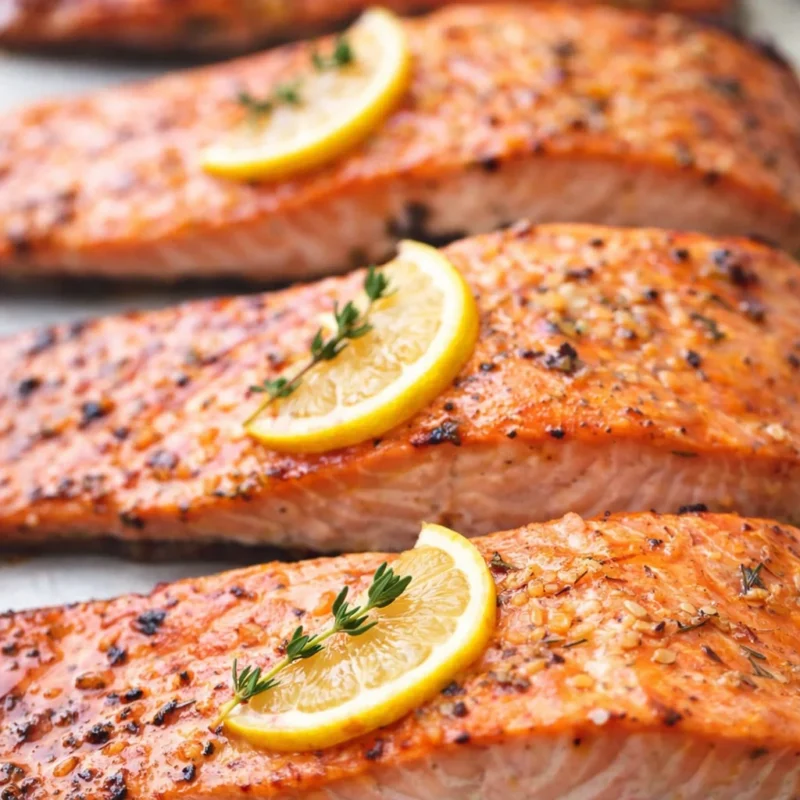
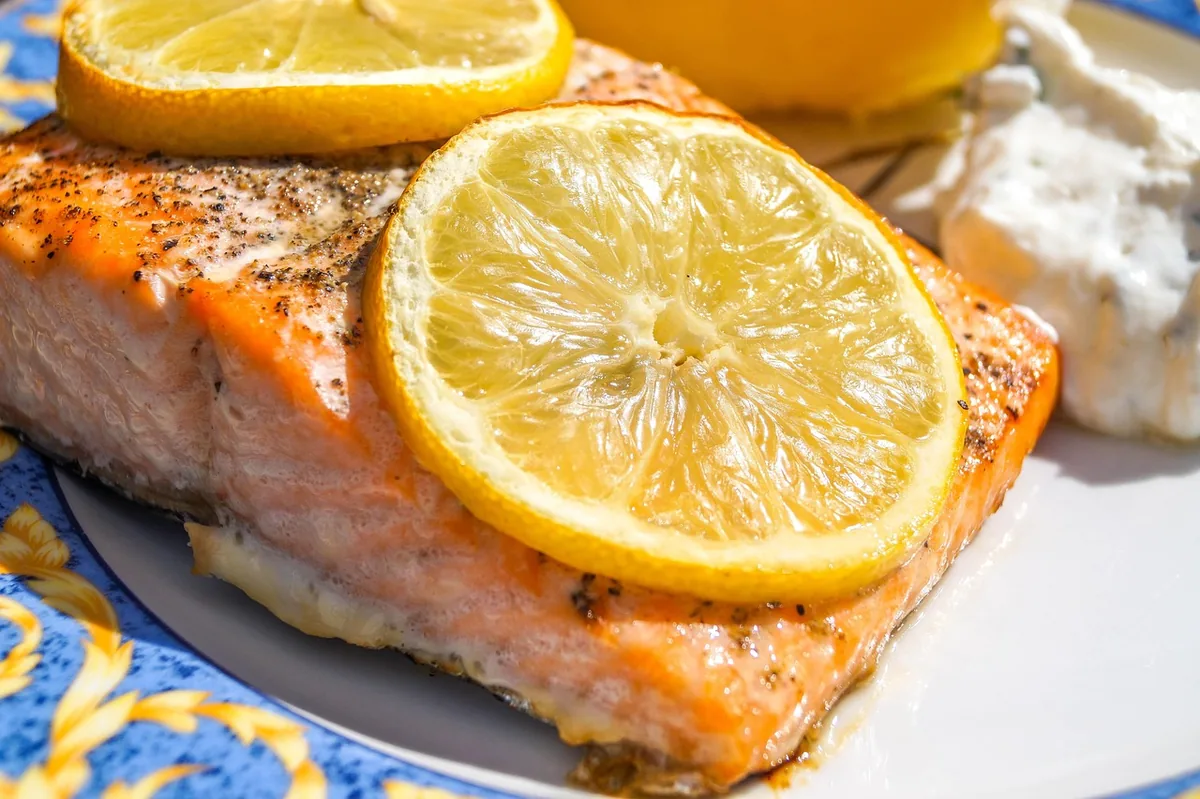
This baked sockeye salmon is brushed with lemon garlic butter, topped with lemon slices and fresh dill, and roasted on a foil-lined sheet pan for just 10 to 14 minutes. Wild sockeye has a deep red color and a rich, distinctly “salmony” flavor, but it’s much leaner than farmed salmon, so the key is a short bake and pulling it out the moment it’s done. Cleanup is just a sheet of foil.
Below you’ll find what makes sockeye different, the ingredients, step-by-step instructions, timing for fillets and a whole side, my tips to keep lean salmon moist, and storage. The printable recipe card is at the bottom.
What Makes Sockeye Salmon Different
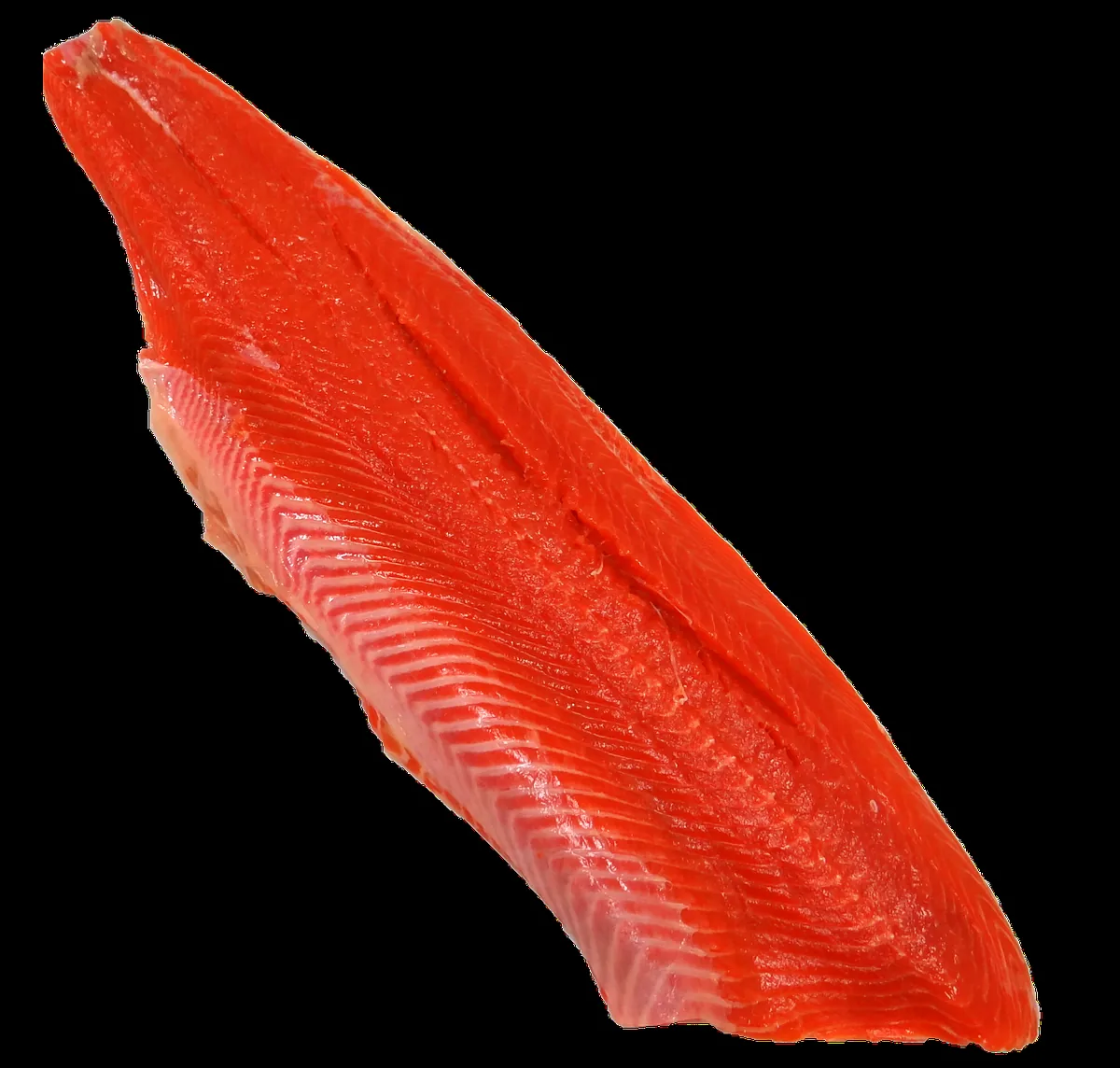
Sockeye (also called red salmon) is a wild Pacific salmon, mostly caught in Alaska and British Columbia. Its flesh is a deep red-orange and firmer than farmed Atlantic salmon, with a richer, more pronounced flavor. It’s also leaner, which is why it cooks faster and can dry out if it’s overbaked. Fresh sockeye is in season in summer; the rest of the year you’ll find it frozen, often frozen right after it’s caught, and it bakes beautifully after thawing.
Ingredients for Baked Sockeye Salmon
- Sockeye salmon, 1½ lb (680 g), either a whole side or 4 fillets, skin on, about ¾ inch (2 cm) thick.
- Unsalted butter, 3 tablespoons (42 g), melted.
- Garlic, 2 cloves, finely grated.
- Lemon, 1: 1 teaspoon zest, 1 tablespoon juice, and thin slices from the other half.
- Fresh dill, 1 tablespoon, chopped, plus a few sprigs (or 1 teaspoon dried dill).
- Diamond Crystal kosher salt, 1 teaspoon, or ½ teaspoon table salt.
- Black pepper, ¼ teaspoon.
How to Bake Sockeye Salmon (Step by Step)
1. Heat the oven
Heat the oven to 375°F (190°C) with a rack in the center. Line a rimmed baking sheet with foil or parchment.
2. Prepare the salmon
If the salmon was frozen, thaw it overnight in the refrigerator. Pat it dry with paper towels, run your fingers along the flesh to find any pin bones and pull them out with tweezers, then place it skin side down on the baking sheet.
3. Make the lemon garlic butter
Stir the melted butter with the garlic, lemon zest, lemon juice and chopped dill.
4. Season
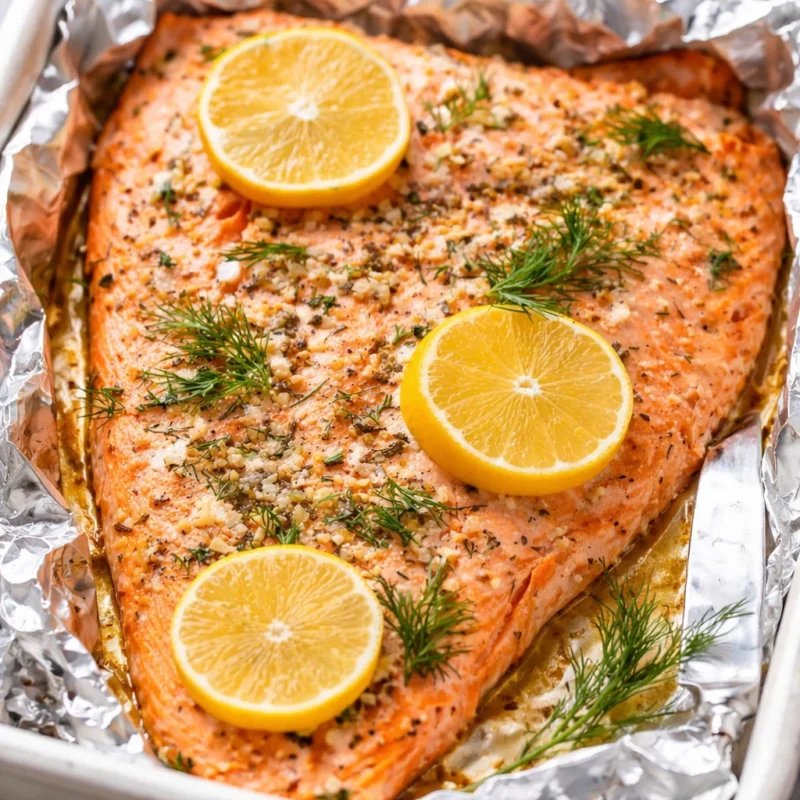
Sprinkle the salmon with the salt and pepper, then brush the lemon garlic butter evenly over the top. Lay the lemon slices and dill sprigs on top.
5. Bake
Bake for 10 to 14 minutes, until the salmon is just opaque and flakes easily with a fork in the thickest part. The FDA recommends cooking fish to 145°F (63°C); check with an instant-read thermometer, starting at 9 minutes. Thin tail pieces will be done first.
6. Serve
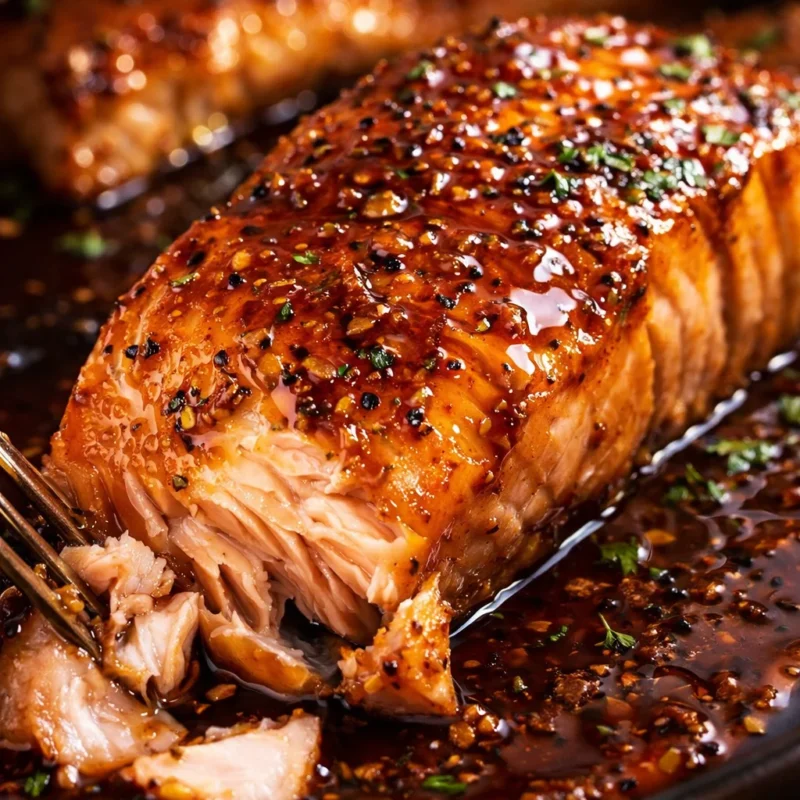
Spoon the buttery pan juices over the salmon and serve right away with extra lemon. The fillets lift easily off the skin if you prefer to leave it behind.
Baking Times for Sockeye Salmon
| Cut | Oven | Time |
|---|---|---|
| Fillets, ½ inch thick | 375°F (190°C) | 7 to 9 minutes |
| Fillets or a side, ¾ inch thick | 375°F (190°C) | 10 to 14 minutes |
| Thick center-cut fillets, 1 inch | 375°F (190°C) | 13 to 16 minutes |
| Wrapped in a foil packet | 375°F (190°C) | Add 3 to 5 minutes |
Go by temperature and texture rather than time. See the FoodSafety.gov safe minimum temperature chart.
Sockeye vs Other Salmon
| Salmon | Color and texture | Fat | Baking tip |
|---|---|---|---|
| Sockeye (wild) | Deep red, firm | Lean | Bake briefly and use butter or oil |
| Coho (wild) | Orange-red, delicate | Moderate | Similar timing to sockeye |
| King or Chinook (wild) | Orange, rich and silky | High | Forgiving; can bake a few minutes longer |
| Atlantic (farmed) | Pale orange, soft | High | Very forgiving; thicker fillets take 12 to 16 minutes |
How to Thaw Frozen Sockeye
Thaw frozen sockeye in the refrigerator overnight, still in its packaging, on a plate to catch drips. If the package is vacuum-sealed, follow the label: many say to cut it open or remove the fish before thawing. For a faster option, seal the fish in a leak-proof bag and submerge it in cold water for 30 to 60 minutes, changing the water every 30 minutes, then cook it right away. Never thaw fish on the counter.
Chef Emma’s Tips for Moist Sockeye
- Check early. Sockeye goes from perfect to dry in a couple of minutes. Start checking at 9 minutes.
- Don’t skip the butter. The fat keeps lean sockeye moist and carries the lemon and garlic flavor.
- Bake skin side down. The skin protects the bottom of the fish from the hot pan.
- Bring thick pieces to room temperature for 15 minutes (not longer) so they cook more evenly.
- Use the white “albumin” as a clue. If white protein starts beading on the surface, the fish is done or slightly over; next time, pull it a minute sooner.
Flavor Variations
- Honey Dijon: replace the dill with 1 tablespoon honey and 1 tablespoon Dijon in the butter.
- Herb crust: top with ¼ cup panko mixed with parsley, Parmesan and a little olive oil before baking.
- Cajun: season with 1½ teaspoons Cajun spice instead of salt and pepper, and skip the dill.
- Maple soy: brush with 2 tablespoons maple syrup, 1 tablespoon soy sauce and grated ginger.
What to Serve With Baked Sockeye
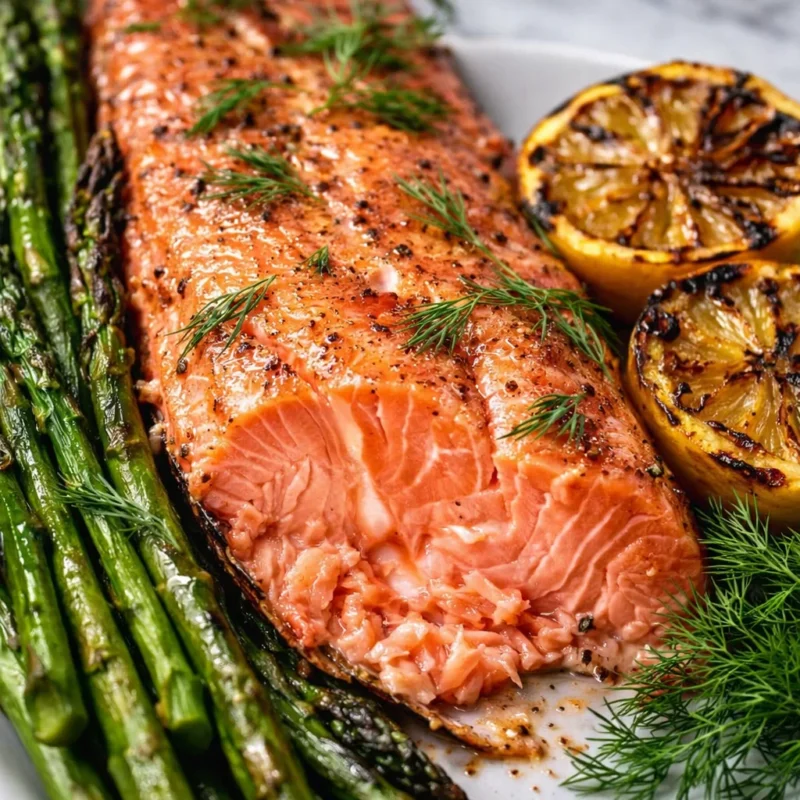
- Roasted asparagus or green beans, cooked on the same pan for the last 10 minutes
- Rice pilaf, couscous or a lemony quinoa salad
- Baby potatoes with butter and herbs
- A crisp cucumber and dill salad
For other salmon dinners, see how to grill salmon, our salmon poke bowl, or all our salmon recipes.
How to Store Leftovers
- Refrigerate within 2 hours in a covered container and eat within 3 to 4 days.
- Reheat gently, covered, in a 275°F (135°C) oven for about 15 minutes, or eat it cold, flaked into salads, pasta or salmon cakes.
- Freeze cooked salmon for up to 2 to 3 months for best quality.
Storage times follow the FoodSafety.gov cold food storage chart.
Baked Sockeye Salmon FAQs
What temperature should I bake sockeye salmon?
375°F (190°C) works well for lean sockeye; it cooks quickly without drying the edges. Bake until the thickest part reaches 145°F (63°C).
Why is my sockeye salmon dry?
It was baked a little too long. Sockeye has less fat than farmed salmon, so check it early and use butter or oil on top.
Can I bake frozen sockeye without thawing?
You can: rinse off any ice, pat dry, and bake at 400°F (200°C) for about 15 to 20 minutes, adding the butter halfway through. Thawing first gives better, more even results.
Should I cover salmon with foil when baking?
Not necessary. Uncovered gives slightly roasted edges. A sealed foil packet steams the fish and keeps it extra moist; add a few minutes to the time.
Baked Sockeye Salmon Recipe Card
Calories are an estimate per serving (6 oz raw wild sockeye with lemon garlic butter) based on USDA FoodData Central values.

Baked Sockeye Salmon with Lemon Garlic Butter
Ingredients
Equipment
Method
- Heat the oven to 375°F (190°C) and line a rimmed baking sheet with foil.
- Pat the salmon dry, remove any pin bones, and place it skin side down on the sheet.
- Stir the melted butter with the garlic, lemon zest, lemon juice and chopped dill.
- Season the salmon with salt and pepper, brush with the lemon garlic butter, and top with lemon slices and dill sprigs.
- Bake 10 to 14 minutes, until just opaque and 145°F (63°C) in the thickest part; start checking at 9 minutes.
- Spoon the pan juices over the salmon and serve with lemon.