
Blog
Tasty and Healthy Best Salmon Recipes You’ll Love Making!

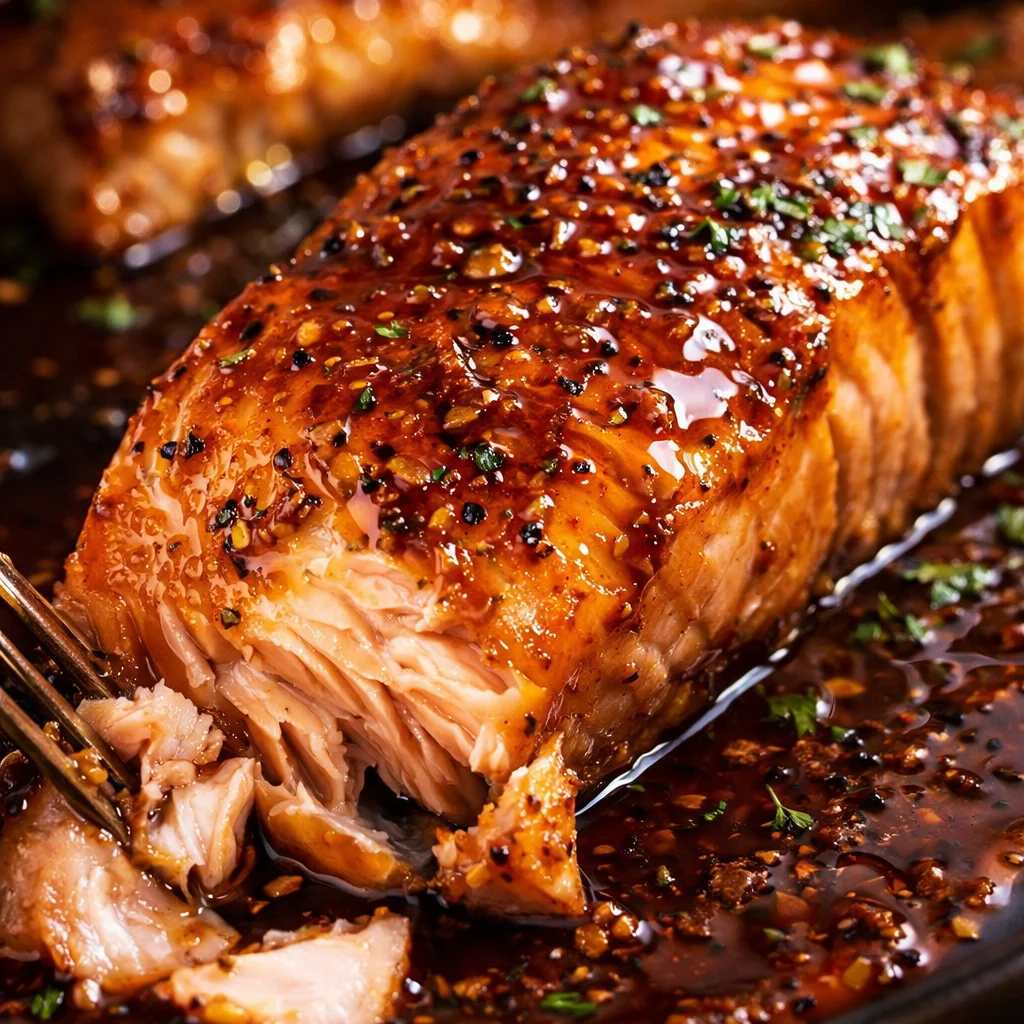
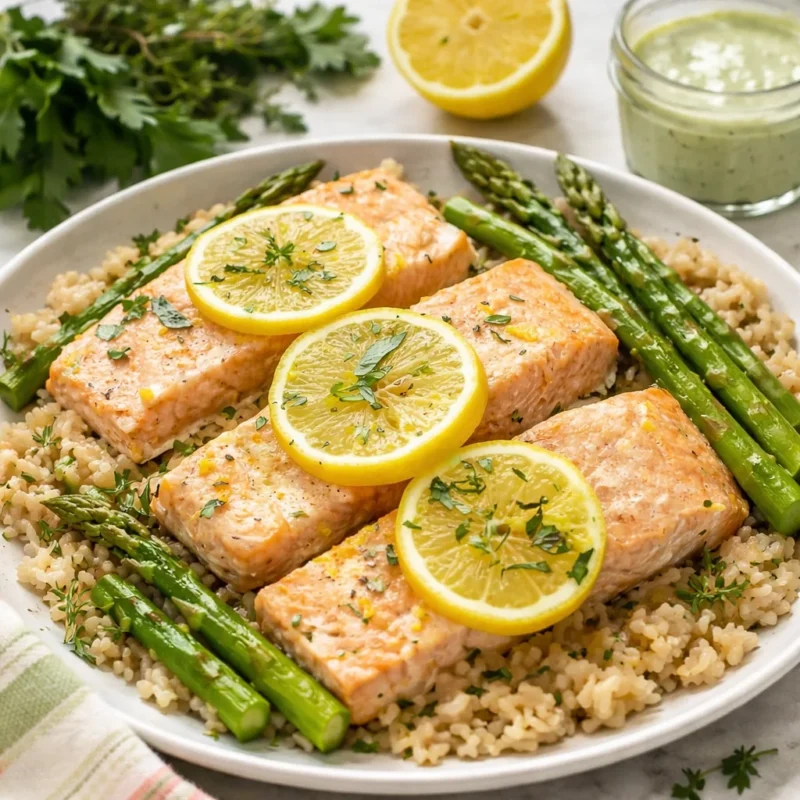
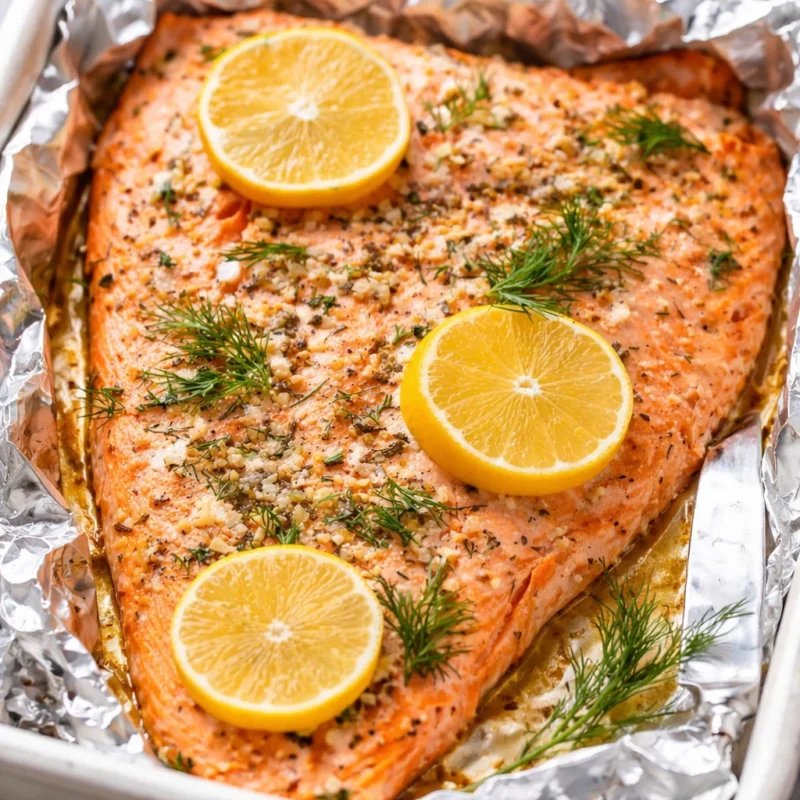
best salmon recipes are the kind of thing I crave on a busy weeknight when I want dinner to feel special, but I do not want a sink full of dishes. Salmon saves me every time because it cooks fast, tastes rich, and somehow makes a basic salad feel like a real meal. If you have ever stared at a fillet and thought, “Please do not let me overcook this,” you are in the right place. I am sharing my go to glazed salmon plus the simple tips I actually use at home. And if you want more ideas after this, I keep a running list of favorites in my salmon recipes collection. 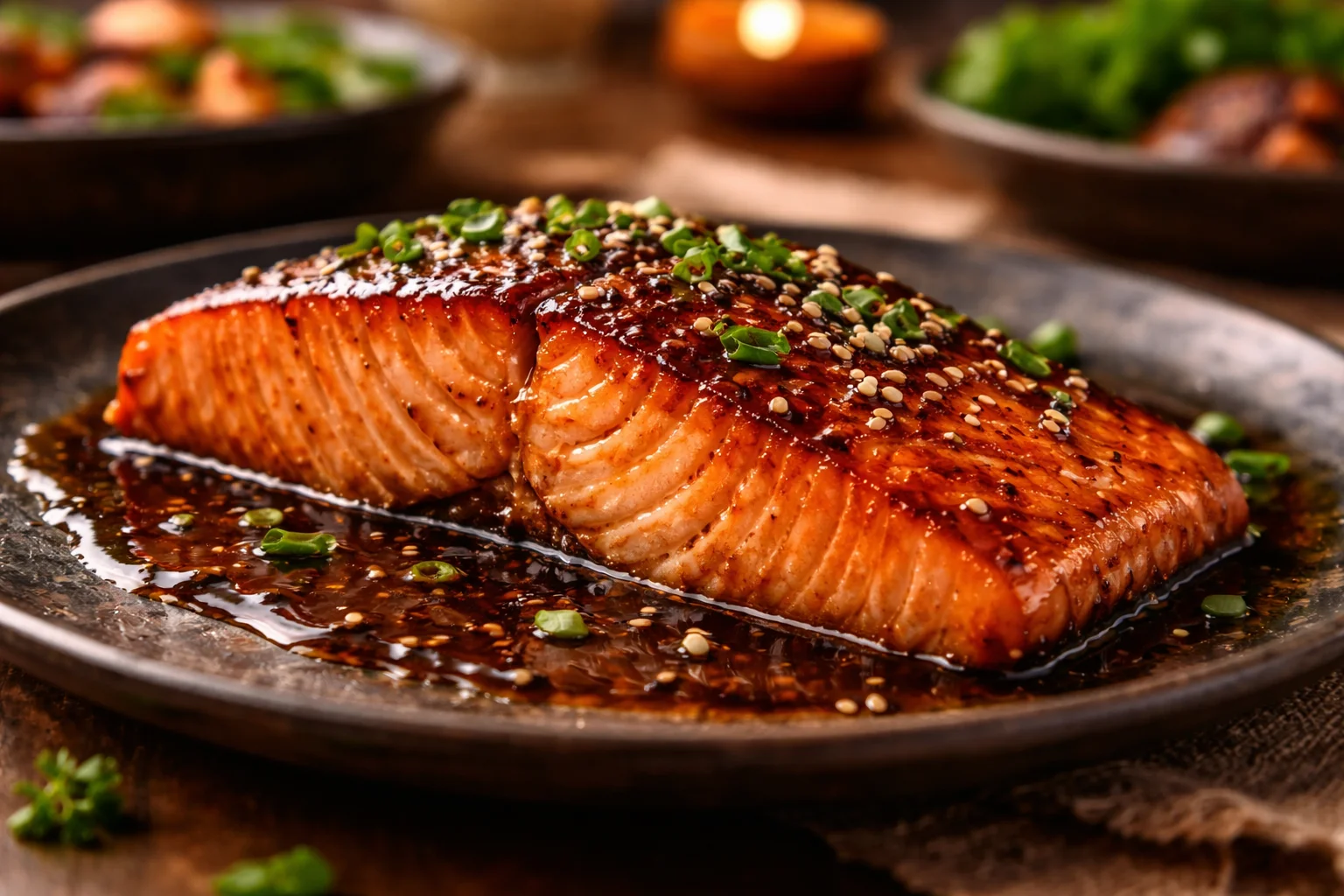
HOW TO MAKE GLAZED SALMON
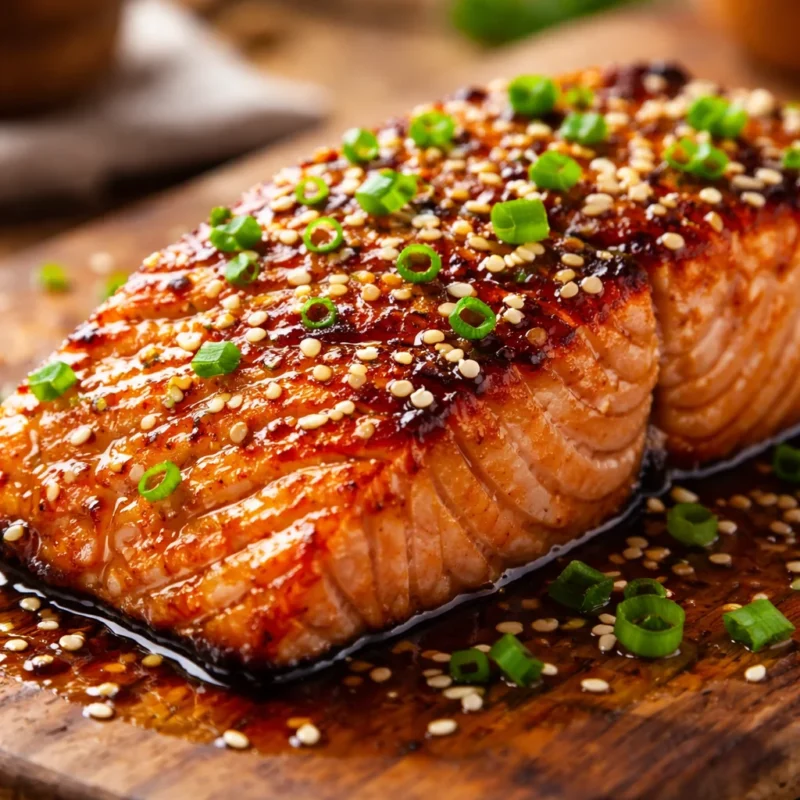
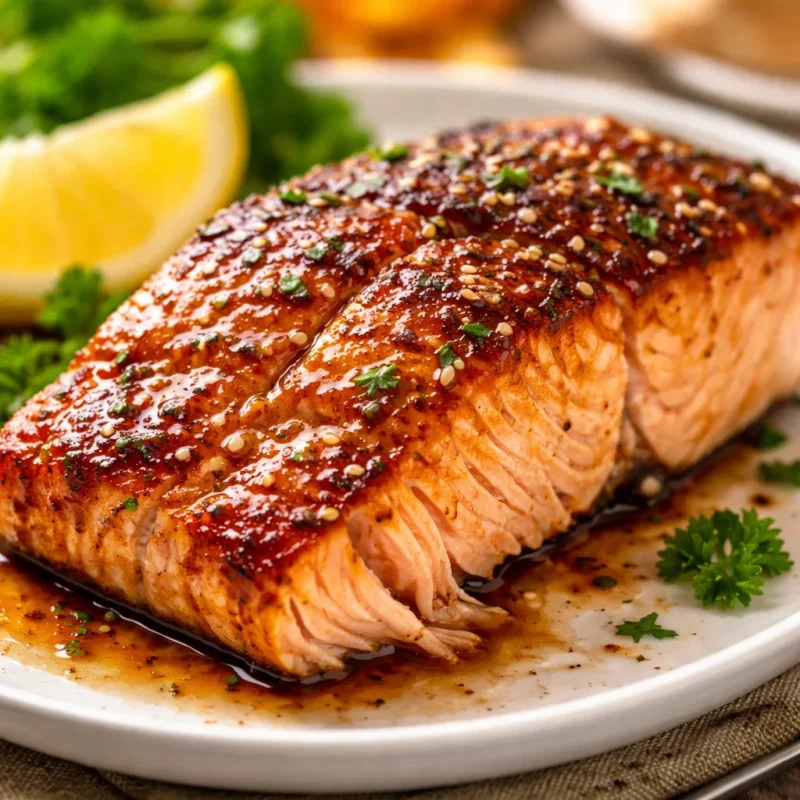
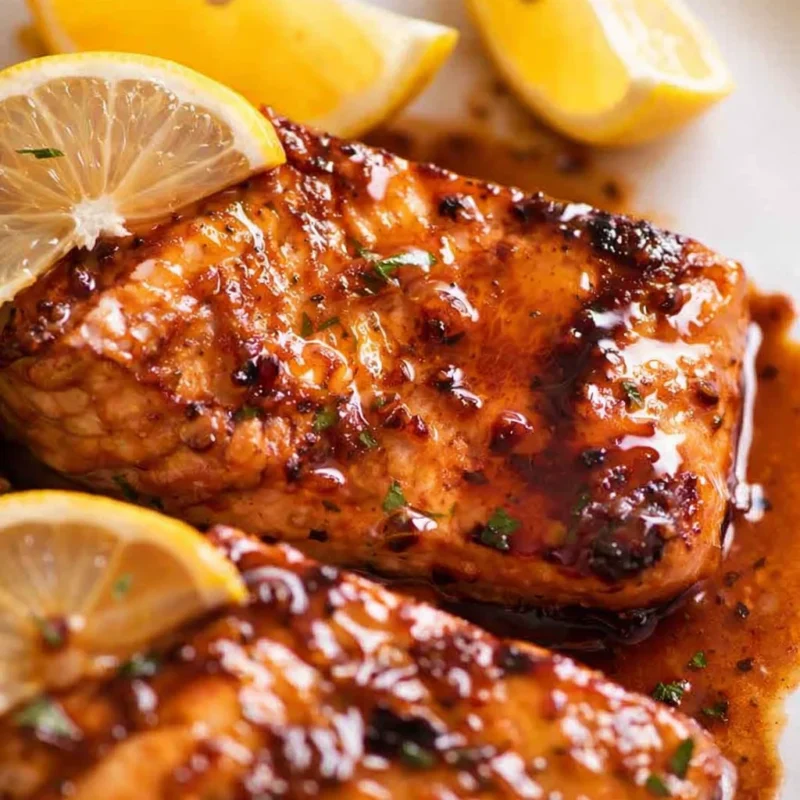
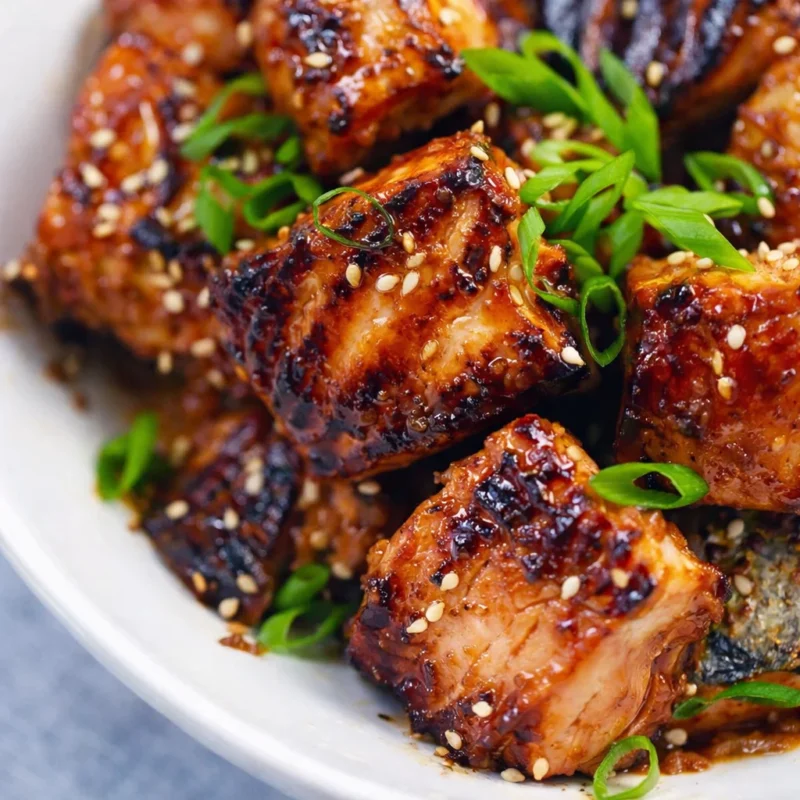
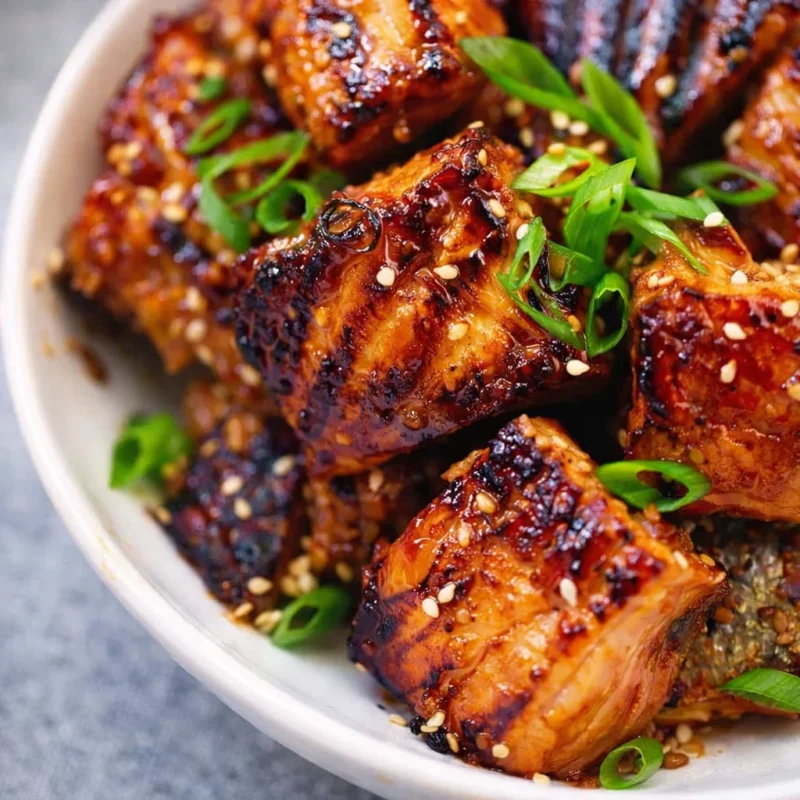
This is the salmon recipe I make when I need a win. It is sweet, salty, sticky in the best way, and it makes your kitchen smell amazing. The glaze is simple, and you can mix it in a mug while your pan heats up.
What you will need
- Salmon: 4 fillets, about 5 to 6 ounces each (skin on or off)
- Honey: 3 tablespoons
- Soy sauce: 2 tablespoons (low sodium if you have it)
- Garlic: 3 cloves, minced (or 1 teaspoon garlic powder in a pinch)
- Lemon: 1 tablespoon juice, plus wedges for serving
- Olive oil or butter: 1 tablespoon
- Black pepper, and a small pinch of salt if your soy sauce is low sodium
- Optional but great: chili flakes, a little grated ginger, or sesame seeds
Easy directions
- Pat the salmon dry with paper towels. This helps it brown instead of steaming.
- Mix honey, soy sauce, garlic, and lemon juice in a small bowl.
- Heat oil or butter in a nonstick skillet over medium heat.
- Add salmon, and cook for about 3 to 4 minutes on the first side. Do not move it around too much.
- Flip, then pour in the glaze. Let it bubble for 2 to 4 minutes, spooning the sauce over the top as it thickens.
- When the salmon flakes easily, take it off the heat and squeeze on a little lemon.
I usually serve this with rice and something green, and I always, always spoon extra glaze over everything. It is basically dinner confidence in sauce form. If you are building your own list of best salmon recipes, this one deserves a spot near the top.
;
COOKING TIPS FOR SALMON RECIPES
Salmon is forgiving, but it does have a “perfect zone” where it is juicy and tender. Once you hit that zone a few times, you start to relax. These are the little habits that make my best salmon recipes come out right more often than not.
Start with dry salmon. I know it sounds fussy, but patting it dry makes a big difference for browning and helps the glaze cling better.
Use medium heat, not max heat. Too hot and the honey can go from glossy to burnt fast. Medium heat gives you time to spoon the sauce and get that shiny finish.
Do not drown the pan. If you add the glaze too early and it is super watery, you might end up boiling the fish. I like to sear first, then glaze.
Let it rest for a minute. Just one minute on a plate helps the juices settle. It also gives you time to toss a quick salad and pretend you planned everything.
My weeknight sides: steamed broccoli, a cucumber salad, microwave rice, or roasted sweet potatoes. And if you are the type who likes a little dessert after a savory dinner, I have definitely followed salmon night with something easy and cozy from this pumpkin desserts roundup.
“I tried this glaze last night and my picky teenager asked for seconds. The sauce is everything, and the salmon stayed moist. This is officially in our weekly rotation.”
VARIATIONS OF THIS RECIPE
Once you learn the basic method, you can remix it a bunch of ways without needing a new plan every time. This is where salmon stays fun, and why I never get bored working through my own list of best salmon recipes.
Spicy honey garlic: Add a teaspoon of sriracha or a pinch of cayenne to the glaze. I do this when I want that sweet heat vibe.
Orange ginger: Swap lemon for orange juice, then add a little grated ginger. It tastes bright and a little fancy, like you ordered it somewhere.
Maple Dijon: Replace honey with maple syrup and whisk in 1 to 2 teaspoons Dijon mustard. This one is especially good with roasted carrots.
Garlic butter lemon: Skip honey and soy sauce, and just melt butter with garlic and lemon. Simple, clean, and great when you want a lighter feel.
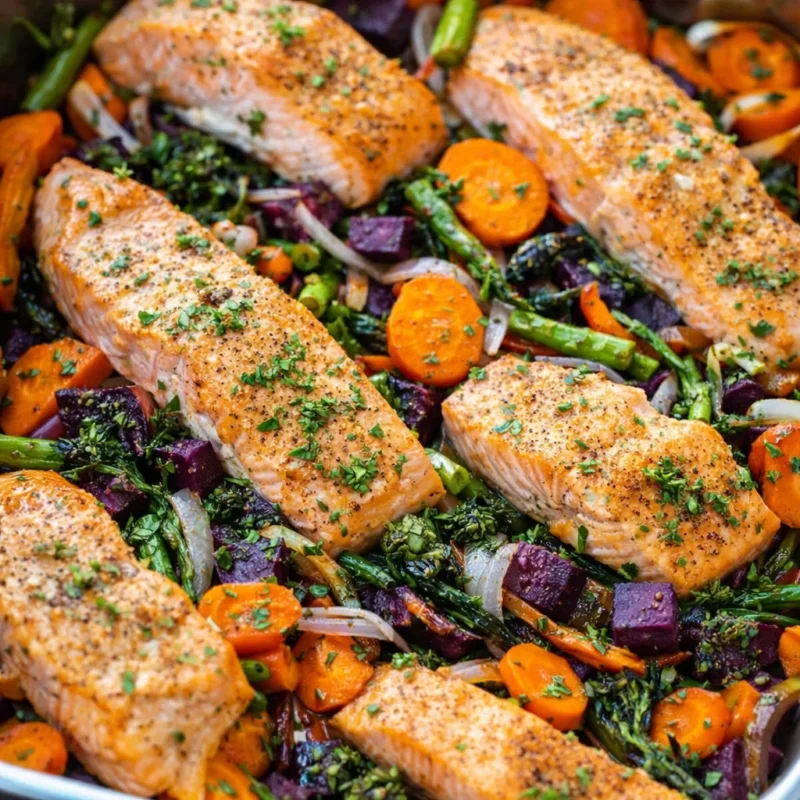
Oven baked version: If you do not feel like babysitting a pan, bake at 400 F. Put salmon on a lined sheet pan, brush with glaze, bake about 10 to 12 minutes, then broil for 1 to 2 minutes to caramelize. Keep an eye on it, broilers are wild.
HOW TO TELL WHEN SALMON IS DONE
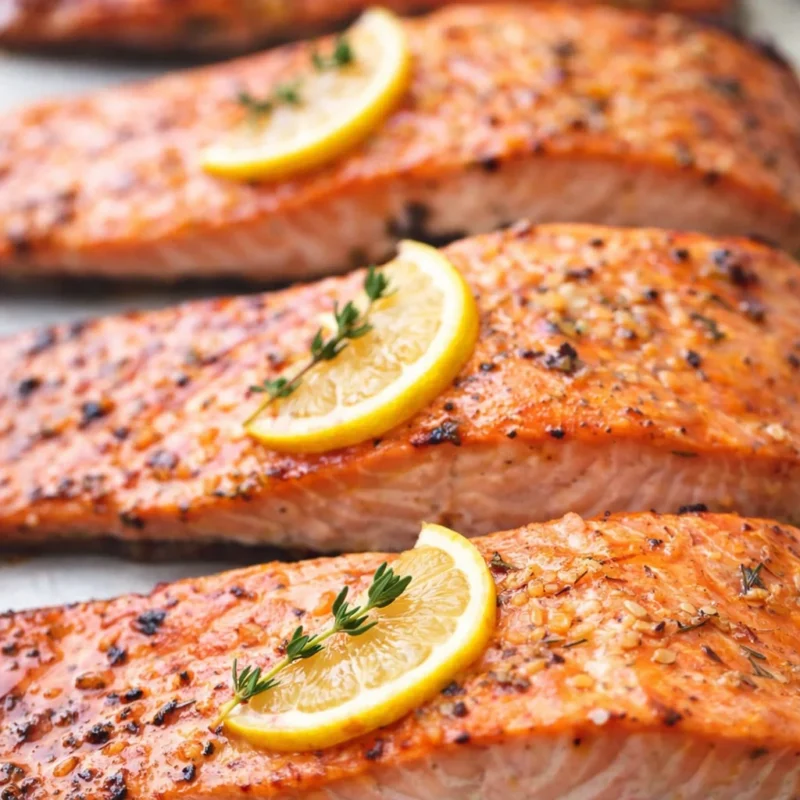
This is the part that makes people nervous, so let us make it simple. Salmon is done when it flakes easily and looks opaque on the outside, with a slightly darker, softer center if you like it a bit juicy. I aim for “just cooked,” because it keeps that buttery texture.
Here are the easiest ways to check:
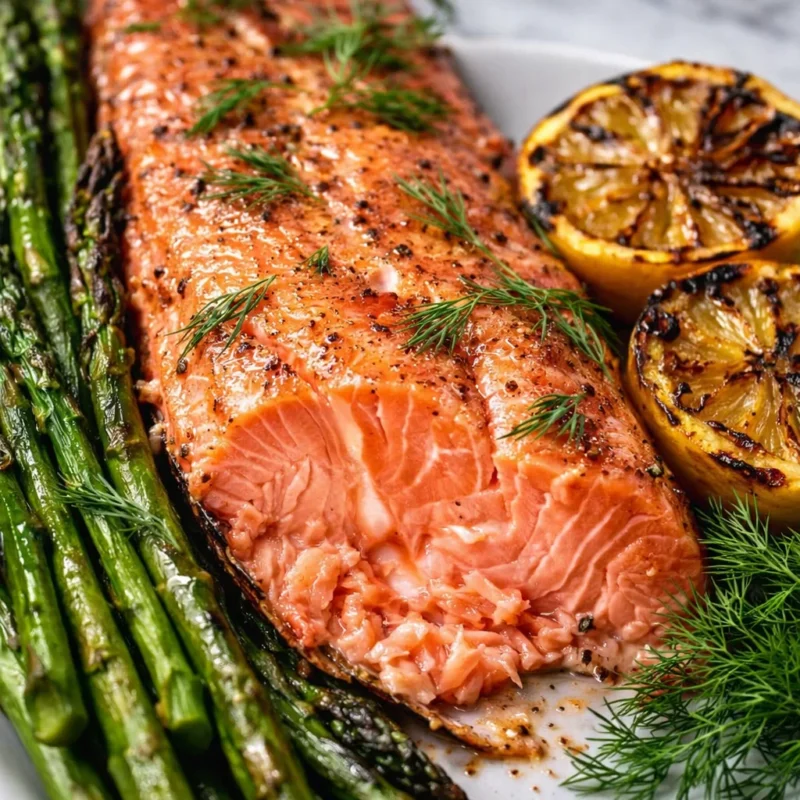
Fork test: Gently press and twist with a fork in the thickest part. If it flakes into big pieces, you are good.
Color check: The outside should look opaque, not raw and shiny. A tiny bit of darker center is fine and often ideal.
Thermometer option: If you like certainty, 125 to 130 F in the thickest part gives a moist result. If you want it more firm, go a little higher.
One more tip from my own trial and error: the salmon keeps cooking for a minute after you turn off the heat. So if it looks almost done in the pan, it will be perfect on the plate. That is a little secret behind a lot of best salmon recipes you eat at home and think, “Wow, I nailed that.”
HOW TO BUY SALMON
Buying salmon does not have to be confusing, even though the seafood counter can feel like a quiz. I keep it practical and focus on freshness, cut, and what I am cooking that night.
Fresh vs frozen: Frozen salmon is totally legit. In fact, a lot of “fresh” fish has been previously frozen anyway. I buy frozen fillets when I want budget friendly, dependable salmon on hand. Just thaw overnight in the fridge.
Look for firm flesh: Salmon should look moist but not slimy, and it should not smell super fishy. A clean ocean smell is what you want.
Wild vs farmed: Wild salmon usually has a deeper flavor and firmer texture. Farmed is often richer and a bit milder. Both can work for glazed salmon, so buy what fits your budget and what you enjoy.
Skin on is your friend: If you are pan cooking, skin on helps protect the fish and makes flipping easier. You can eat the skin if it gets crispy, or just slide the fish right off it.
If you are collecting more ideas beyond this one glaze, I keep a bunch of weeknight friendly options in my own rotation of salmon recipes too.
Common Questions
1) Can I make this glazed salmon in the air fryer?
Yes. Air fry at 380 F for about 7 to 10 minutes depending on thickness. Brush glaze on in the last 2 to 3 minutes so the honey does not burn too early.
2) What if I do not have soy sauce?
You can use tamari, coconut aminos, or even a light splash of Worcestershire sauce. Just taste the glaze and adjust with a pinch of salt if needed.
3) How do I keep salmon from sticking to the pan?
Heat the pan first, add oil, then add dry salmon. Also, do not try to flip too soon. When it is ready, it usually releases more easily.
4) Can I meal prep salmon?
You can, but salmon is best fresh. If you do prep it, store leftovers in a sealed container and eat within 2 days. Reheat gently, or flake it cold into a salad.
5) What is the easiest side dish for this?
Rice and a bagged salad kit is my lazy favorite. Also roasted broccoli works with the sweet glaze like a charm.
On a budget? Our salmon patty recipe turns a can of salmon into dinner in about 20 minutes.
A cozy little wrap up
If you have been hunting for best salmon recipes that feel doable on a random Tuesday, this glazed salmon is the one I would hand you first. It is quick, it is reliable, and the ingredients are things you probably already have. If you want another fun take on this flavor style, I have also enjoyed reading Honey Garlic Glazed Salmon (20 min. recipe!) – The Chunky Chef for extra inspiration. Grab a couple fillets, make that sticky glaze, and give yourself permission to call it a win when dinner tastes this good.