

Blog
Salmon Salad With Lemon Dill Dressing

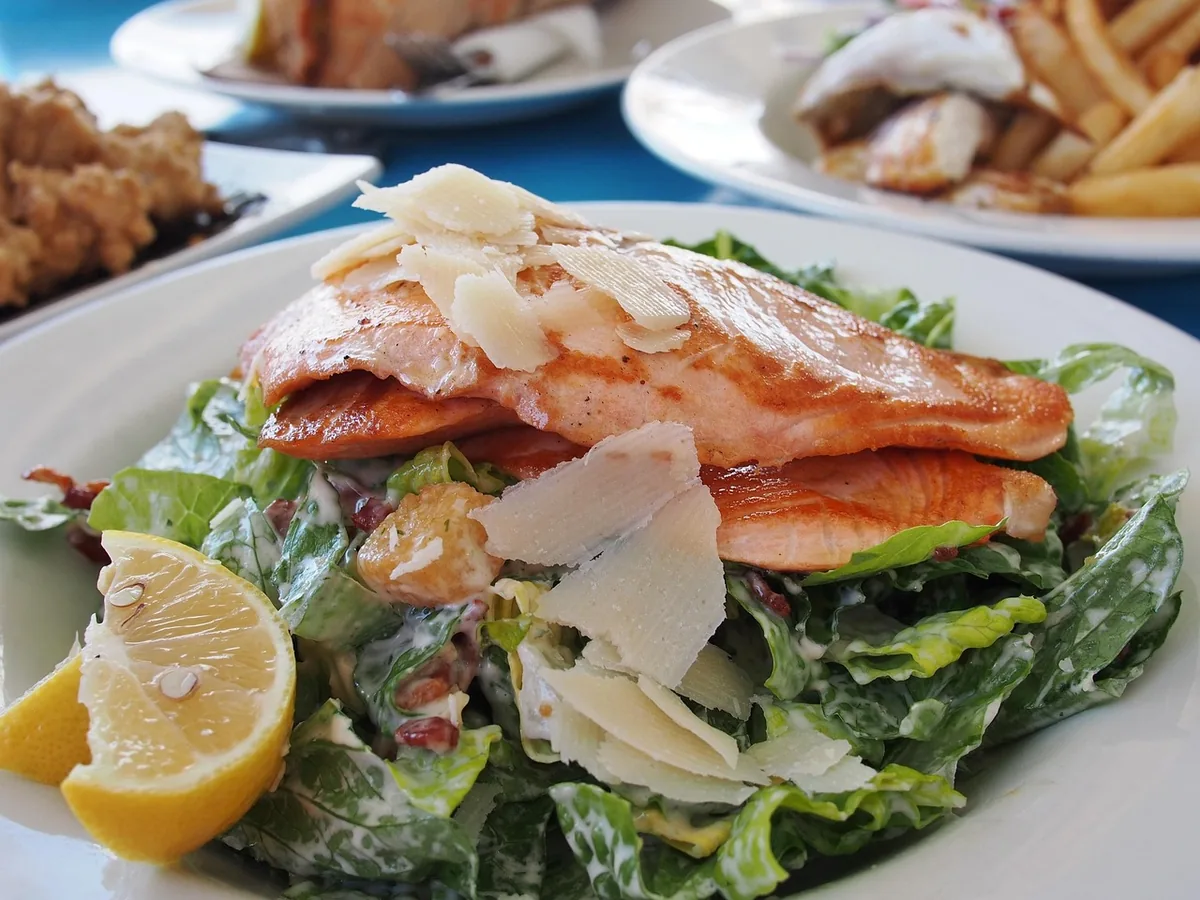
This salmon salad is a quick, protein-packed lunch made from flaked cooked or canned salmon, crunchy celery, red onion and briny capers, all folded into a bright lemon dill dressing made with Greek yogurt and a little mayonnaise. It takes about 15 minutes, makes 4 servings, and works piled on greens, tucked into a sandwich or spooned onto crackers.
In this salmon salad recipe you’ll find exact amounts, step-by-step directions, a clear guide to canned versus leftover salmon, a seared salmon green salad variation for dinner, easy swaps, serving ideas, safe storage times and a printable recipe card at the bottom.
Why You’ll Love This Salmon Salad
Think of it as the salmon version of a classic tuna salad, only with more flavor and a lighter, tangier dressing. It’s the kind of recipe you can make on a Sunday and pull from the fridge all week.
- Ready in 15 minutes: with canned or leftover salmon there’s no cooking at all, just chopping and stirring.
- Lighter, brighter dressing: half Greek yogurt and half mayonnaise keeps it creamy without feeling heavy.
- Real crunch: plenty of celery and red onion give every bite texture, so the salad never turns into paste.
- Budget friendly: one large can of salmon feeds four, and the rest are pantry staples.
- Flexible: serve it on lettuce, in a sandwich or wrap, in a stuffed avocado, or as a dip with crackers.
- Good for meal prep: it keeps for 3 to 4 days in the fridge and tastes even better after an hour of chilling.
Ingredients for Salmon Salad
You only need a short list. Exact amounts are repeated in the recipe card, so you can shop from either one.
For the salad
- Cooked or canned salmon, 12 oz (340 g) flaked, about 2½ cups. That’s one 14.75-oz (418 g) can, drained, or about 1 lb (450 g) raw fillet once it’s cooked.
- Celery, 2 ribs (100 g), finely diced, about 1 cup.
- Red onion, ¼ cup (40 g), finely diced. Soak it in cold water for 5 minutes if you want a milder bite.
- Capers, 2 tablespoons (17 g), drained and roughly chopped if large.
For the lemon dill dressing
- Plain Greek yogurt, ⅓ cup (80 g). Whole-milk or 2% gives the creamiest result.
- Mayonnaise, ¼ cup (55 g).
- Lemon, 1: 1 teaspoon finely grated zest and 2 tablespoons (30 ml) juice.
- Fresh dill, 3 tablespoons chopped (about 8 g), plus a few sprigs to finish.
- Dijon mustard, 1 teaspoon (5 g).
- Kosher salt, ¼ teaspoon, and black pepper, ¼ teaspoon.
To serve (optional)
- 6 cups (about 170 g) mixed greens or butter lettuce leaves
- 8 slices whole-grain bread, 4 croissants or soft rolls
- Crackers, cucumber rounds or endive leaves for scooping
If you love this dressing, it’s a close cousin of our lemon dill sauce for salmon, which you can spoon over hot fillets on another night.
Equipment You Need
No special tools are needed. If you’re cooking fresh salmon first, add a baking sheet and an instant-read thermometer.
- A medium mixing bowl for the salad and a small bowl or jar for the dressing
- A fork for flaking the salmon into bite-size pieces
- A chef’s knife and cutting board for the celery, onion and dill
- A microplane or fine grater for the lemon zest
- A fine-mesh strainer for draining canned salmon and capers
- An instant-read thermometer if you cook the salmon yourself
- An airtight container for storing leftovers
How to Make Salmon Salad (Step by Step)
The whole method takes about 15 minutes with salmon that is already cooked. If you’re starting with a raw fillet, cook and cool it first (see step 1).
1. Get the salmon ready
Canned salmon: drain it well in a strainer. Pull off any large pieces of skin and the big round spine bones. The small, soft bones are edible and full of calcium, so you can mash them in with a fork or remove them.
Fresh salmon: season a 1-lb (450 g) fillet with salt and pepper and bake it at 400°F (200°C) for 12 to 15 minutes, until it flakes and reaches 145°F (63°C) in the thickest part. Let it cool for 10 minutes, then refrigerate until cold. Our guide on how to cook salmon covers pan, oven and air fryer methods.
2. Flake the salmon
Put the cold salmon in a mixing bowl and break it into bite-size flakes with a fork. Leave some larger pieces; you want texture, not a spread. Pat it with a paper towel if it looks wet, since extra liquid thins the dressing.
3. Chop the vegetables
- Dice the celery into ¼-inch (6 mm) pieces so it spreads evenly.
- Finely dice the red onion. For a softer flavor, soak it in cold water for 5 minutes and drain.
- Drain the capers and chop them if they’re large.
- Chop the dill, keeping a few sprigs for the top.
4. Whisk the lemon dill dressing
In a small bowl, stir together the Greek yogurt, mayonnaise, lemon zest, lemon juice, Dijon, chopped dill, salt and pepper until smooth. Taste it on its own. It should be tangy, lightly salty and very fresh, because the salmon will mellow it.
5. Fold it together
Add the celery, onion and capers to the salmon, then pour over about three-quarters of the dressing. Fold gently with a spatula so the flakes stay intact. Add the rest of the dressing if you like a creamier salad. Taste and adjust with a pinch of salt, more pepper or a squeeze of lemon.
6. Chill and serve
You can eat it right away, but 30 minutes in the fridge lets the dill and lemon soak into the fish. Serve it over greens, in sandwiches or with crackers, finished with dill sprigs and a lemon wedge.
Canned vs. Leftover Salmon: Which Is Best?
Both make a great salmon salad, and the right choice depends on your budget and how much time you have. Canned salmon is cheap and shelf stable; leftover fillets give bigger, juicier flakes.
| Salmon | Amount for this recipe | Texture and flavor | Best for |
|---|---|---|---|
| Canned pink salmon | One 14.75-oz (418 g) can, drained | Mild, soft, fine flakes | Sandwiches and budget lunches |
| Canned sockeye (red) salmon | One 14.75-oz can, drained | Richer, deeper color and flavor | Salads where the fish stands out |
| Leftover baked or grilled salmon | 12 oz (340 g) cooked | Large, juicy flakes | Greens and stuffed avocados |
| Freshly cooked fillet | 1 lb (450 g) raw | Clean, delicate flavor | When you want to control seasoning |
| Hot-smoked salmon | 8 to 10 oz (225 to 285 g) | Smoky and salty | Crackers and appetizers |
For a canned salmon salad, look for wild Alaska salmon packed in water. The “skinless and boneless” cans cost more but save time. Bone-in cans are cheaper and add calcium. Our roundup of canned salmon recipes has more ways to use the pantry tin.
Using leftovers? Cooked salmon should go into the fridge within 2 hours of cooking and be used within 3 to 4 days. Count from the day you cooked the fish, not the day you make the salad. If your leftover fillets were heavily seasoned, cut back on the salt in the dressing. A fillet rubbed with our salmon seasoning adds a nice smoky note.
Tips for the Best Salmon Salad Recipe
A good salmon salad recipe is mostly about balance: enough acid, enough crunch and not too much dressing. These habits make the difference.
- Start with cold salmon. Warm fish makes the dressing melt and turn greasy. Chill cooked fillets before flaking.
- Drain well. Press canned salmon gently in a strainer. Watery fish gives you a runny salad.
- Dice small and even. Small celery and onion pieces spread through every bite and make sandwiches easier to eat.
- Dress lightly first. Add three-quarters of the dressing, taste, then add more. You can’t take it back out.
- Use fresh dill. Dried dill works in a pinch (1 teaspoon), but fresh gives a much brighter flavor.
- Season at the end. Canned salmon, capers and mayonnaise all carry salt, so taste before adding more.
- Add lemon zest, not just juice. Zest brings lemon flavor without making the dressing thin.
| Problem | Likely cause | Fix |
|---|---|---|
| Watery salad | Undrained salmon or wet celery | Drain and pat the fish dry; dry the vegetables |
| Mushy texture | Over-mixed or over-flaked | Fold gently and keep some large flakes |
| Too fishy | Not enough acid or herbs | Add lemon juice, zest and dill |
| Too salty | Salted canned fish plus capers | Use low-sodium salmon, rinse the capers, add more celery |
| Bland | Under-seasoned dressing | Add a pinch of salt, more Dijon or pepper |
Seared Salmon Green Salad Variation
For a warm dinner salad, skip the flaking and serve seared fillets over crisp greens with the same lemon dill dressing thinned into a drizzle. It still comes together in about 25 minutes.
- Season 4 skin-on salmon fillets (5 to 6 oz / 140 to 170 g each) with salt, pepper and a little garlic powder.
- Sear skin-side down in 1 tablespoon oil in a hot skillet for 4 to 5 minutes, until the skin is crisp.
- Flip and cook 2 to 4 minutes more, until the center reaches 145°F (63°C).
- Thin the dressing with 1 to 2 tablespoons water or extra lemon juice until it pours.
- Build the salad: 8 cups mixed greens, 1 sliced cucumber, 1 cup halved cherry tomatoes, 1 sliced avocado and a few radishes.
- Top each plate with a fillet, a drizzle of dressing, capers and dill.
This version is heartier and a little higher in calories than the flaked salmon salad. You can also chill the seared fillets and flake them into the main recipe the next day. For a crunchy, pan-fried option, our salmon patty recipe works well over the same greens.
Easy Variations and Substitutions
Once you’ve made the basic salmon salad recipe, it’s easy to change. Keep the salmon and dressing amounts about the same and the salad stays balanced.
- All-mayo or all-yogurt: use ⅔ cup (about 150 g) of either. All-mayo is richer; all-yogurt is tangier and lighter.
- No mayo: mash ½ ripe avocado into the yogurt for a creamy, mayo-free dressing. Eat it within a day.
- Swap the herbs: chives, parsley or tarragon all suit salmon.
- Add crunch: diced cucumber, radish, bell pepper or a handful of toasted almonds.
- Briny swaps: chopped dill pickles or relish instead of capers.
- Make it heartier: fold in 2 chopped hard-boiled eggs or 1 cup cooked pasta or quinoa.
- A little heat: a pinch of cayenne, a dash of hot sauce or a spoon of sriracha in the dressing.
- Chicken instead of salmon: the same dressing is excellent with shredded smoked chicken breast.
What to Serve With Salmon Salad
Salmon salad is flexible enough for lunch boxes, picnics and light dinners. Here are the easiest ways to serve it.
| Serve it as | How |
|---|---|
| A green salad | Scoop onto butter lettuce or mixed greens with cucumber and tomato |
| A sandwich | Pile onto toasted whole-grain bread or a croissant with lettuce |
| Lettuce wraps | Spoon into romaine or butter lettuce cups for a low-carb lunch |
| A snack or appetizer | Serve with crackers, cucumber rounds or endive leaves |
| Stuffed avocado or tomato | Fill halved avocados or hollowed tomatoes |
| A melt | Top bread with salad and cheddar and broil until the cheese melts |
Good sides include a cup of tomato soup, fresh fruit, kettle chips, a simple cucumber salad or a pasta salad. Want more fish ideas for the week? Browse all our salmon recipes.
How to Build a Salmon Salad Sandwich
A salmon salad sandwich is the most popular way to serve this recipe, and a few small choices keep it neat and crisp instead of soggy. One batch fills 4 generous sandwiches.
- Toast the bread. Lightly toasted whole-grain, rye or sourdough holds up to the creamy filling much better than soft bread.
- Add a lettuce barrier. Lay a leaf of butter lettuce or romaine on the bottom slice so the dressing doesn’t soak in.
- Use about ½ cup of filling (roughly a quarter of the batch) per sandwich and spread it to the edges.
- Layer something fresh: thin cucumber slices, tomato, sprouts or a few extra rings of red onion.
- Finish with crunch on the side, such as pickles, kettle chips or raw vegetables.
For a croissant version, split and lightly warm the croissants, then fill them just before serving. For a lunch box, pack the filling in a small container with an ice pack and build the sandwich at lunchtime. The lemon dill dressing keeps the filling tasting fresh even on day three.
How to Store Salmon Salad
Because it contains cooked fish, yogurt and mayonnaise, this salad needs to stay cold. Follow these guidelines to keep it fresh and safe.
- Refrigerate it in an airtight container at 40°F (4°C) or below and eat it within 3 to 4 days.
- Don’t leave it out for more than 2 hours (1 hour if it’s above 90°F / 32°C outside). Pack it with an ice pack for lunches and picnics.
- Don’t freeze the dressed salad. Yogurt and mayonnaise separate when thawed and the celery goes limp.
- Freeze the fish instead: cooked, undressed salmon freezes for 2 to 3 months. Thaw it in the fridge, then mix the salad.
- No reheating needed: it’s served cold. If you turn it into a melt, heat it until steaming.
These times follow the FoodSafety.gov cold food storage chart. Salmon is one of the lower-mercury fish on the FDA advice about eating fish, which lists it among the “best choices” for 2 to 3 servings a week.
Make-ahead plan
| When | What to do |
|---|---|
| Up to 3 days ahead | Cook and chill the salmon; keep it covered in the fridge |
| Up to 2 days ahead | Mix the dressing and store it in a jar |
| The day before | Dice the celery and onion and store them in a container lined with a paper towel |
| Up to 1 day ahead | Fully mix the salad; stir before serving |
For sandwiches, pack the salad and bread separately and assemble just before eating, so the bread doesn’t go soggy.
Salmon Salad FAQs
Is canned salmon already cooked?
Yes. Canned salmon is fully cooked in the can, so you can drain it and use it straight away. That’s why a canned salmon salad is one of the fastest no-cook lunches you can make.
Do I need to remove the bones from canned salmon?
No. The small bones are soft enough to eat and add calcium. Mash them with a fork so they disappear into the salad. Remove the larger round spine pieces if you prefer.
Can I make salmon salad without mayonnaise?
Yes. Use ⅔ cup (about 150 g) Greek yogurt, or mash half an avocado into the yogurt for extra creaminess. The salad will be tangier and lighter.
How long does salmon salad last in the fridge?
Up to 3 to 4 days in an airtight container at 40°F (4°C) or colder. If your salmon was cooked a few days earlier, count from the day you cooked it.
What’s the best salmon for salmon salad?
- Canned sockeye, for rich flavor and color
- Canned pink, for a mild, budget-friendly salad
- Leftover baked or grilled fillets, for big, tender flakes
Can I use smoked salmon?
Yes, but use about 8 to 10 oz (225 to 285 g) and leave out the salt, since smoked salmon is much saltier. Hot-smoked salmon flakes like cooked fish; cold-smoked lox is better chopped.
Can I make canned salmon salad ahead for lunches?
Yes. A canned salmon salad keeps for 3 to 4 days in the fridge, so you can make one batch on Sunday and portion it into containers. Keep bread, crackers and greens separate until you eat.
Is salmon salad healthy?
It’s a good source of protein and omega-3 fats. Using half Greek yogurt keeps it lighter than an all-mayo version, at about 245 calories per serving before bread or greens.
Salmon Salad Recipe Card
Calories are an estimate per serving (¼ of the salad, without bread or greens) based on USDA FoodData Central values for canned salmon, mayonnaise, whole-milk Greek yogurt, celery, red onion, capers, lemon juice and Dijon mustard.

Salmon Salad With Lemon Dill Dressing
Ingredients
Equipment
Method
- Drain canned salmon well and remove any large skin and spine bones (soft small bones can be mashed in). If using fresh salmon, bake a 1-lb fillet at 400°F (200°C) for 12 to 15 minutes until it reaches 145°F (63°C), then chill.
- Flake the cold salmon into bite-size pieces in a mixing bowl, keeping some larger flakes. Pat dry if wet.
- Finely dice the celery and red onion (soak the onion in cold water for 5 minutes for a milder taste) and drain the capers.
- Stir the Greek yogurt, mayonnaise, lemon zest, lemon juice, chopped dill, Dijon, salt and pepper together until smooth.
- Add the celery, onion and capers to the salmon. Fold in three-quarters of the dressing, then add the rest if you like it creamier. Taste and adjust the seasoning.
- Chill for 30 minutes if you have time. Serve on greens, in sandwiches or with crackers, topped with dill sprigs.


