

Blog
How to Tell if Ground Beef Is Bad (5 Simple Signs)

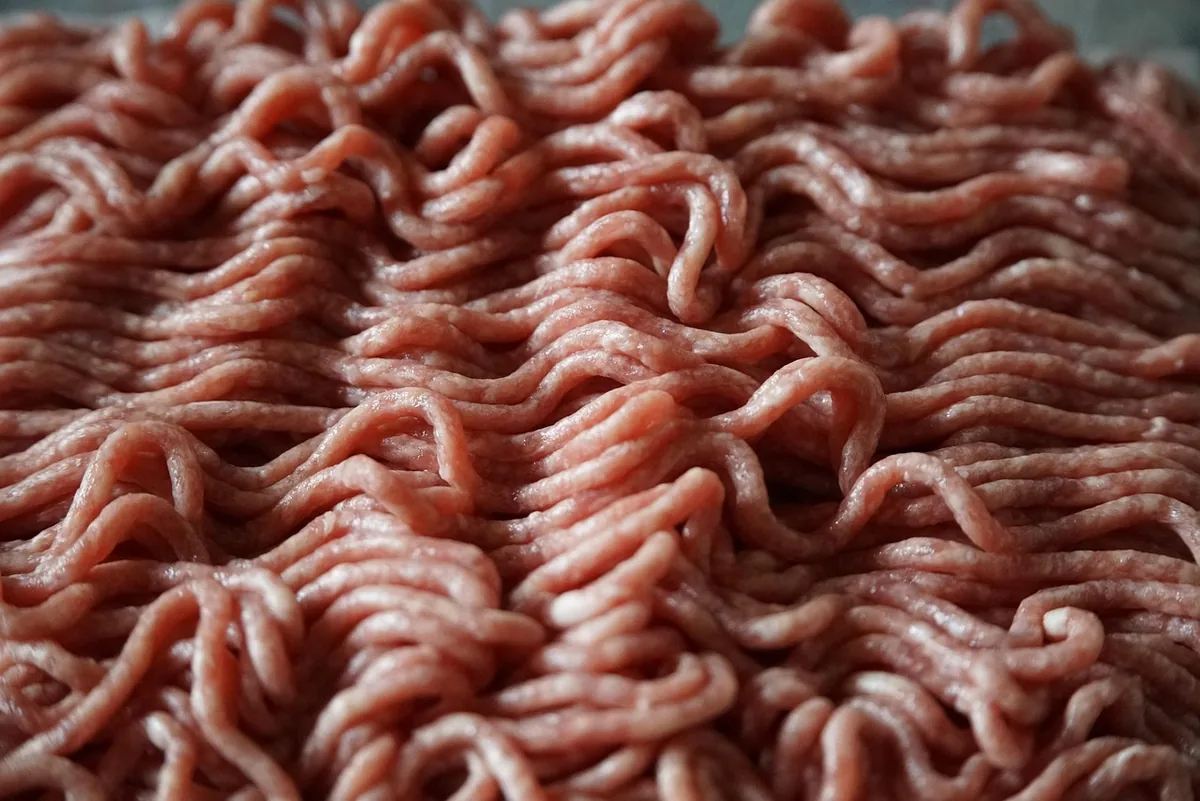
Not sure whether the package in your fridge is still good? Here’s how to tell if ground beef is bad: check the smell, the feel, the color all the way through, the package and the date. A sour or rotten smell, a slimy or sticky surface, gray or brown color throughout (not just in the middle), mold, or a puffy package all mean it’s time to throw it out. This guide walks through each sign, explains why a gray center is usually fine, and lists the mistakes that make ground beef spoil early.
Quick Answer: How to Tell if Ground Beef Is Bad
Throw ground beef away if you notice any one of these 5 signs:
- It smells off: sour, rotten, ammonia-like or “funky.” Fresh ground beef smells mild and meaty, or of almost nothing.
- It feels slimy or sticky: a tacky film that stays on your fingers after you touch it.
- It’s gray or brown all the way through, on the outside and inside, especially if it’s near or past its date.
- It has mold: fuzzy blue, green, white or black spots.
- The package is bloated, leaking or torn, or the meat has been in the fridge for more than 2 days (raw) or 4 days (cooked).
One important point: the bacteria that make people sick, such as E. coli O157:H7 and Salmonella, don’t change how meat looks or smells. Ground beef can seem fine and still be unsafe if it’s been stored too long or left out. So use your senses and the time limits, and always cook it to 160°F (71°C). When in doubt, throw it out.
Spoiled Ground Beef: The Simple Chart
| What you notice | What it usually means | Safe to cook? |
|---|---|---|
| Bright red outside, purplish or grayish-brown inside | Normal. The inside hasn’t been exposed to oxygen. | Yes, if within its time limit |
| Brown or gray patches on the surface only | Exposure to air or light over time; not a sign of spoilage on its own | Yes, if it smells and feels normal and is within its time limit |
| Gray or brown throughout, with a sour smell or sticky feel | Spoilage | No, throw it out |
| Sour, rotten or ammonia smell | Spoilage bacteria have grown | No |
| Slimy or tacky surface | Spoilage bacteria have grown | No |
| Fuzzy mold spots | Mold growth | No |
| Puffy, swollen or leaking package | Gas from bacteria, or a broken seal | No |
| Dry, grayish-white, leathery spots on frozen beef | Freezer burn | Yes, but trim the spots; the texture will be drier |
| Raw in the fridge more than 2 days | Past the safe storage time | No, even if it looks fine |
Is Brown Ground Beef Safe? Why Ground Beef Changes Color
The color of beef comes from a protein called myoglobin, and it changes with oxygen:
- Bright cherry red: when myoglobin meets oxygen, it turns red. That’s the surface you see through the plastic wrap.
- Purplish or grayish-brown in the middle: the meat inside the package gets no oxygen, so it stays darker. This is normal and safe, as the USDA explains in its ground beef and food safety guide.
- Brown on the surface: after a few days of exposure to light and air, the red pigment slowly oxidizes and turns brown. Brown alone doesn’t mean it’s spoiled, but it does tell you the meat isn’t brand new.
So color is a clue, not a verdict. Ground beef that’s brown or gray throughout and also smells off or feels sticky is spoiled. Ground beef that’s red outside and gray inside, smells clean and is within 1 to 2 days of purchase is fine.
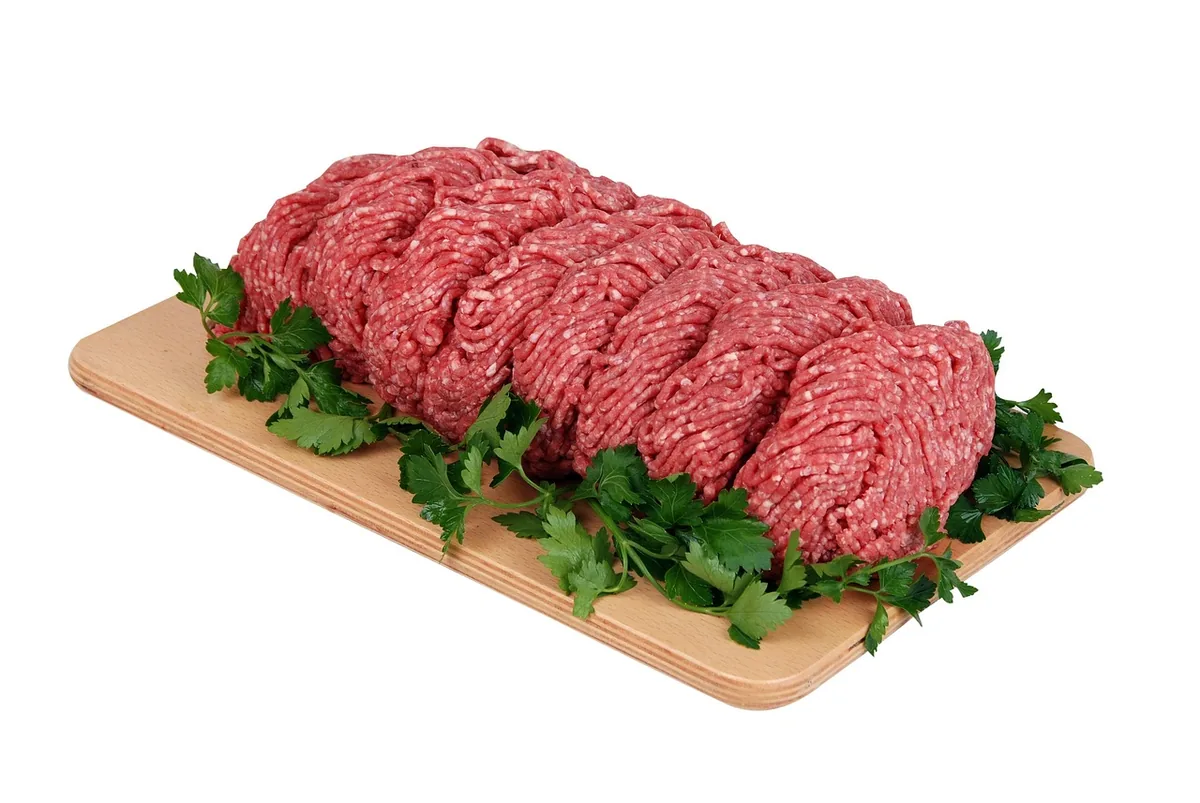
Step-by-Step Method: Check Ground Beef in 1 Minute
1. Check the date and how long you’ve had it
Raw ground beef keeps only 1 to 2 days in the refrigerator. The “sell-by” date tells the store how long to display it; it’s not a safety date, so count from the day you bought it. If it’s been in the fridge longer than 2 days, throw it out, however it looks. For the full storage chart, see our guide to how long ground beef lasts in the fridge.
2. Look at the package
A swollen or puffy package, broken seal, or pooled, cloudy liquid is a bad sign. Some liquid (red meat juice) is normal.
3. Smell it
Open the package and sniff. Fresh ground beef has a faint, iron-like smell. Any sour, rancid, rotten-egg or ammonia odor means it’s spoiled. If you’re not sure, ask someone else to smell it too.
4. Touch it
Press the meat with a clean finger. Fresh ground beef feels cool, moist and firm. If it’s slimy, tacky or leaves a sticky film, throw it out. Wash your hands with soap afterward.
5. Look at the color all the way through
Break open the center. Grayish-brown inside with red outside is normal. Gray or brown everywhere, together with an odd smell or feel, means spoilage. Any fuzzy mold means it goes in the trash.
6. Never taste it to check
Tasting raw or questionable meat is never a safe test.
How to Tell if Cooked Ground Beef Is Bad
Cooked ground beef, like taco meat or Bolognese, keeps 3 to 4 days in the fridge. After that, throw it out. Before then, signs it has spoiled include a sour smell, a slimy texture, or mold. Reheat leftovers until they’re steaming hot and reach 165°F (74°C).
How to Tell if Frozen Ground Beef Is Bad
Ground beef kept frozen at 0°F (-18°C) stays safe indefinitely, because bacteria can’t grow at that temperature. What changes over time is quality. After about 3 to 4 months it slowly loses flavor and moisture.
- Freezer burn shows up as dry, grayish-white or brown leathery patches, often with ice crystals. It isn’t a safety problem. Cut off the worst spots after thawing, and use the beef in sauces, chili or tacos, where a drier texture won’t matter.
- Check after thawing. Frozen beef can’t be judged well by smell while it’s solid. Thaw it in the refrigerator, then use the same smell, feel and color checks as for fresh beef.
- Know its history. If it was frozen after sitting in the fridge for several days, thawed on the counter, or the freezer lost power for a long time, it may already have spoiled before or during freezing. When in doubt, throw it out.
How to Pick Fresh Ground Beef at the Store
The easiest way to avoid ground beef gone bad at home is to start with the freshest package:
- Look for bright red on the surface (or purplish-red in vacuum-sealed packs, which turn red after opening) and no gray or brown edges.
- Check the package: cold to the touch, tightly sealed, not torn, swollen or leaking.
- Pick the latest sell-by date and buy only what you’ll cook or freeze within 2 days.
- Shop for meat last, put it in a separate plastic bag so juices can’t drip on other groceries, and refrigerate it as soon as you get home. On hot days or long drives, use a cooler bag.
Knowing how to tell if ground beef is bad starts at the store: fresh, cold meat bought close to when you’ll cook it rarely gets the chance to spoil.
Common Mistakes to Avoid
- Trusting the sell-by date. Use or freeze ground beef within 1 to 2 days of buying it, whatever the label says.
- Throwing out beef just because the middle is gray. That’s normal if the smell, feel and timing are fine.
- Keeping beef that “smells a little off.” Cooking kills bacteria but doesn’t remove every toxin some bacteria leave behind, and it won’t fix the flavor.
- Leaving it on the counter to thaw. The outside warms into the danger zone (40°F to 140°F) while the inside is still frozen.
- Storing it on the top shelf. Keep raw meat on the bottom shelf, in a bowl or on a plate, so juices can’t drip onto other food.
- Judging doneness by color. Cooked ground beef can turn brown before it’s safe, or stay pink when it’s fully cooked. Use a thermometer.
Food Safety Tips (USDA Guidelines)
- Keep it cold: refrigerator at 40°F (4°C) or below, freezer at 0°F (-18°C). Put ground beef in the fridge within 2 hours of buying it, or 1 hour if it’s above 90°F outside.
- Freeze it if you won’t cook it in 2 days. Frozen ground beef stays safe indefinitely at 0°F and is best within 3 to 4 months.
- Thaw safely: in the refrigerator (then cook within 1 to 2 days), in cold water in a sealed bag (change the water every 30 minutes), or in the microwave (then cook right away).
- Cook to 160°F (71°C) in the center of burgers, meatballs and meatloaf, per the FoodSafety.gov safe minimum temperature chart.
- Refrigerate leftovers within 2 hours and eat them within 3 to 4 days, per the FoodSafety.gov cold food storage chart.
- Clean up: wash hands, boards, knives and counters with hot, soapy water after handling raw ground beef.
Easy Recipe to Try Next
Got fresh ground beef? Bake a batch of juicy Parmesan meatballs with our guide to how long to cook meatballs in the oven, or pick a weeknight dinner from our healthy ground beef recipes and ground beef and rice recipes. For a change from beef, try our crispy air fryer chicken cutlets, or browse all our beef recipes.
Ground Beef Gone Bad: FAQs
What does bad ground beef smell like?
Sour, rancid, rotten or like ammonia. Fresh ground beef has very little smell. If the odor makes you pull back, throw it out.
Is it OK if ground beef is brown on the outside?
Usually, yes. Brown on the surface comes from air and light, not spoilage. If it also smells off, feels slimy or is past 2 days in the fridge, throw it out.
Why is my ground beef gray in the middle?
The center doesn’t get oxygen, so it stays purplish or grayish-brown. That’s normal and safe if the meat is fresh.
Can you cook ground beef that smells a little bad?
No. Cooking won’t remove the bad flavor, and some bacteria leave toxins that heat doesn’t destroy. Throw it out.
What happens if you eat bad ground beef?
You may get food poisoning, with symptoms such as nausea, vomiting, diarrhea, stomach cramps or fever. Contact a doctor if symptoms are severe, include bloody diarrhea or a high fever, or affect someone who is pregnant, very young, older or has a weakened immune system.
Is ground beef bad if it’s slimy?
Yes. A slimy or sticky surface means spoilage bacteria have grown. Throw it out.


