

Blog
Buttermilk Pound Cake Recipe (Tender Crumb)

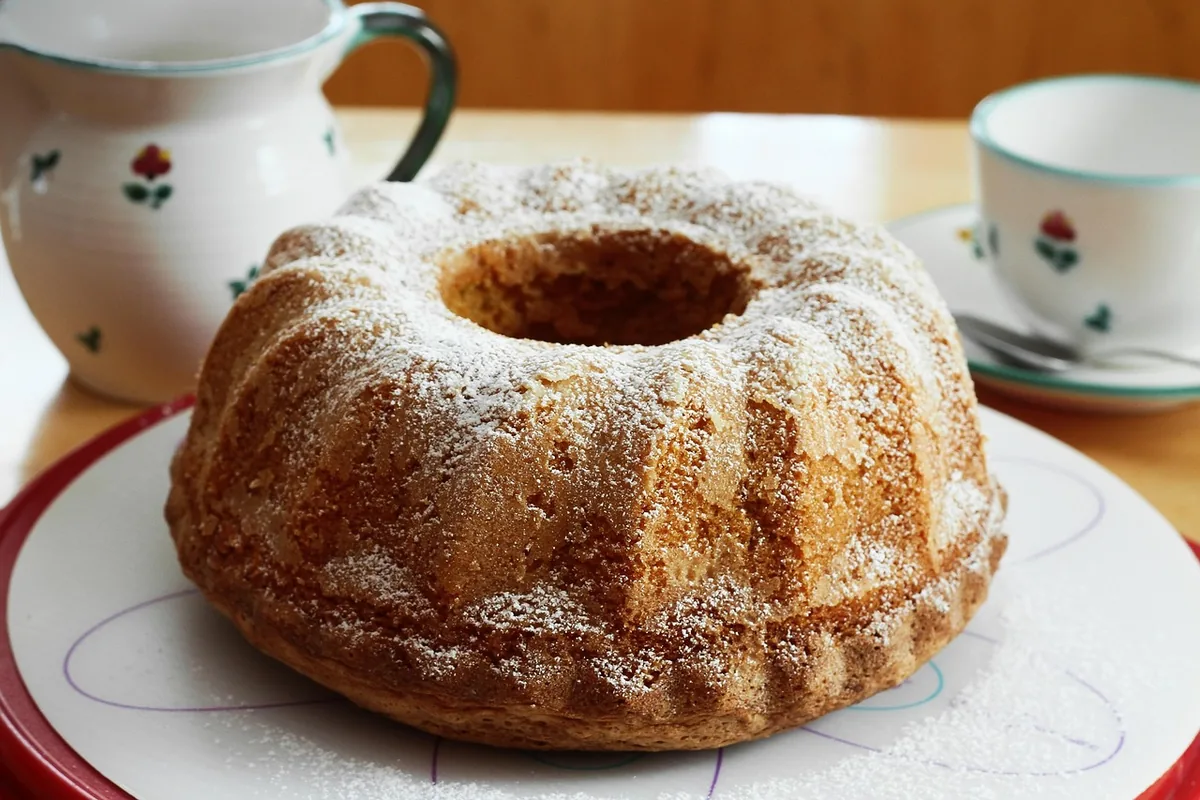
This buttermilk pound cake recipe bakes a tall, golden cake with a thin, crisp crust and a soft, fine crumb that stays tender for days. Buttermilk is the quiet hero here: its gentle acidity softens the flour, a pinch of baking soda gives just enough lift, and the flavor comes out bright and buttery rather than heavy. It’s the old Southern Sunday cake, made with butter, sugar, five eggs, flour and a cup of buttermilk.
Below you’ll find what buttermilk actually does in the batter, the ingredients with weights, a step-by-step method, Bundt and loaf pan times, a buttermilk substitute table, troubleshooting, serving ideas and storage. The printable recipe card is at the bottom.
Why You’ll Love This Buttermilk Pound Cake
- A lighter, more tender crumb. Buttermilk pound cake is softer and a little springier than a dense cream cheese or sour cream pound cake, but still rich enough to slice cleanly.
- Bright, clean flavor. The tang is mild. You taste butter and vanilla first, with a faint dairy brightness that keeps each slice from tasting too sweet.
- Stays moist for days. The acid and the extra liquid keep the cake soft on day three, which makes it a good bake-ahead cake for holidays.
- One batter, two pans. Bake it in a 12-cup Bundt pan for a showpiece or in two loaf pans to share one and freeze one.
- Uses a carton you probably have. And if you don’t, the substitute table below shows four ways to make it work.
What Buttermilk Does in Pound Cake
A classic pound cake started as a pound each of butter, sugar, eggs and flour, with no liquid and no leavening. Bakers later added a dairy ingredient for moisture and a softer crumb. Each one changes the cake in its own way, and buttermilk does three useful things at once.
- Acidity tenderizes. Buttermilk has a pH of about 4.5. That acid weakens the gluten strands that form when you mix flour with liquid, so the crumb turns out soft and fine instead of chewy or bready.
- It reacts with baking soda. The ¼ teaspoon of baking soda in this recipe meets the acid and releases carbon dioxide as soon as they’re mixed. That small burst adds lift without the big domes and holes you’d get from baking powder alone.
- It adds moisture without much fat. Most store buttermilk is low-fat, so it loosens the batter more than sour cream does. The result is a slightly taller, airier cake with a more delicate crumb.
- It helps browning and flavor. Milk sugars and proteins brown in the oven, giving the crust its deep gold color, while the lactic acid adds a gentle tang.
The baking soda also neutralizes some of the acid, which is why the cake isn’t sour. If you leave the soda out, the cake bakes up flatter and tastes tangier; if you double it, the crumb turns coarse and can taste soapy.
How it compares with the other pound cakes
| Pound cake | Dairy or liquid | Crumb | Flavor |
|---|---|---|---|
| Buttermilk (this recipe) | 1 cup buttermilk | Fine, soft, slightly springy | Buttery, mildly tangy, bright |
| Sour cream | 1 cup sour cream | Velvety, tight, dense | Rich with a gentle tang |
| Cream cheese | 8 oz cream cheese | Very dense, almost fudgy | Rich and creamy |
| 7 Up | ¾ cup lemon-lime soda | Soft with a crisp crust | Sweet, lemony |
If you want the heaviest, richest slice, our old fashioned sour cream pound cake or the one-loaf cream cheese pound cake is the better fit. For a lemony, citrus-glazed cake, try the Southern 7 Up pound cake.
Ingredients for Buttermilk Pound Cake
Weigh the flour and sugar if you can. A pound cake has very little room for error, and an extra ¼ cup of scooped flour is enough to make it dry.
- Unsalted butter, 1 cup (2 sticks / 226 g), softened until it dents easily with a finger but doesn’t look shiny or greasy, about 65°F (18°C).
- Granulated sugar, 2½ cups (500 g). A little less than in a sour cream pound cake, because buttermilk brings less fat to balance the sweetness.
- Large eggs, 5, at room temperature.
- All-purpose flour, 3 cups (375 g), spooned into the cup and leveled. Cake flour works too: use 3 cups (345 g) for an even finer crumb.
- Baking soda, ¼ teaspoon. Check that it’s fresh; old soda won’t fizz.
- Fine salt, ½ teaspoon (or ¾ teaspoon Diamond Crystal kosher salt).
- Buttermilk, 1 cup (240 ml), low-fat or whole, at room temperature. Shake the carton first, since the solids settle.
- Pure vanilla extract, 2 teaspoons. Add ½ teaspoon lemon extract or the zest of 1 lemon if you like a brighter cake.
Optional buttermilk glaze
- Powdered sugar, 1 cup (120 g), sifted.
- Buttermilk, 2 tablespoons, plus a few drops more if needed.
- Vanilla extract, ½ teaspoon, and a pinch of salt.
Equipment You Need
- A 12-cup Bundt pan or 10-inch tube pan, or two 9×5-inch loaf pans. A 10-cup Bundt pan is too small and may overflow.
- A stand mixer or hand mixer. You need 5 to 6 minutes of steady creaming, which is hard to do by hand.
- A kitchen scale for the flour and sugar.
- Soft butter and flour or baking spray with flour for the pan, plus a pastry brush to reach the ridges.
- A long wooden skewer and, ideally, an instant-read thermometer.
- A wire rack for cooling.
How to Make This Buttermilk Pound Cake Recipe (Step by Step)
1. Heat the oven and prepare the pan
Heat the oven to 325°F (165°C) with a rack in the lower third. Brush soft butter into every ridge of the Bundt pan, add 2 tablespoons of flour, and tilt and tap the pan until it’s coated. Tap out the extra. A baking spray that contains flour also works well.
2. Whisk the dry ingredients
Whisk the flour, baking soda and salt in a bowl for 20 seconds so the soda is evenly spread. Lumps of soda leave bitter brown spots in the crumb.
3. Cream the butter and sugar
Beat the butter on medium speed for 1 minute until smooth. Add the sugar and beat on medium-high for 5 to 6 minutes, scraping the bowl twice, until the mixture is pale, fluffy and nearly white. This is where most of the rise comes from, so set a timer.
4. Add the eggs one at a time
Add the eggs one at a time, beating about 30 seconds after each, then scrape the bowl. If the mixture looks slightly curdled, keep going. It comes back together once the flour goes in.
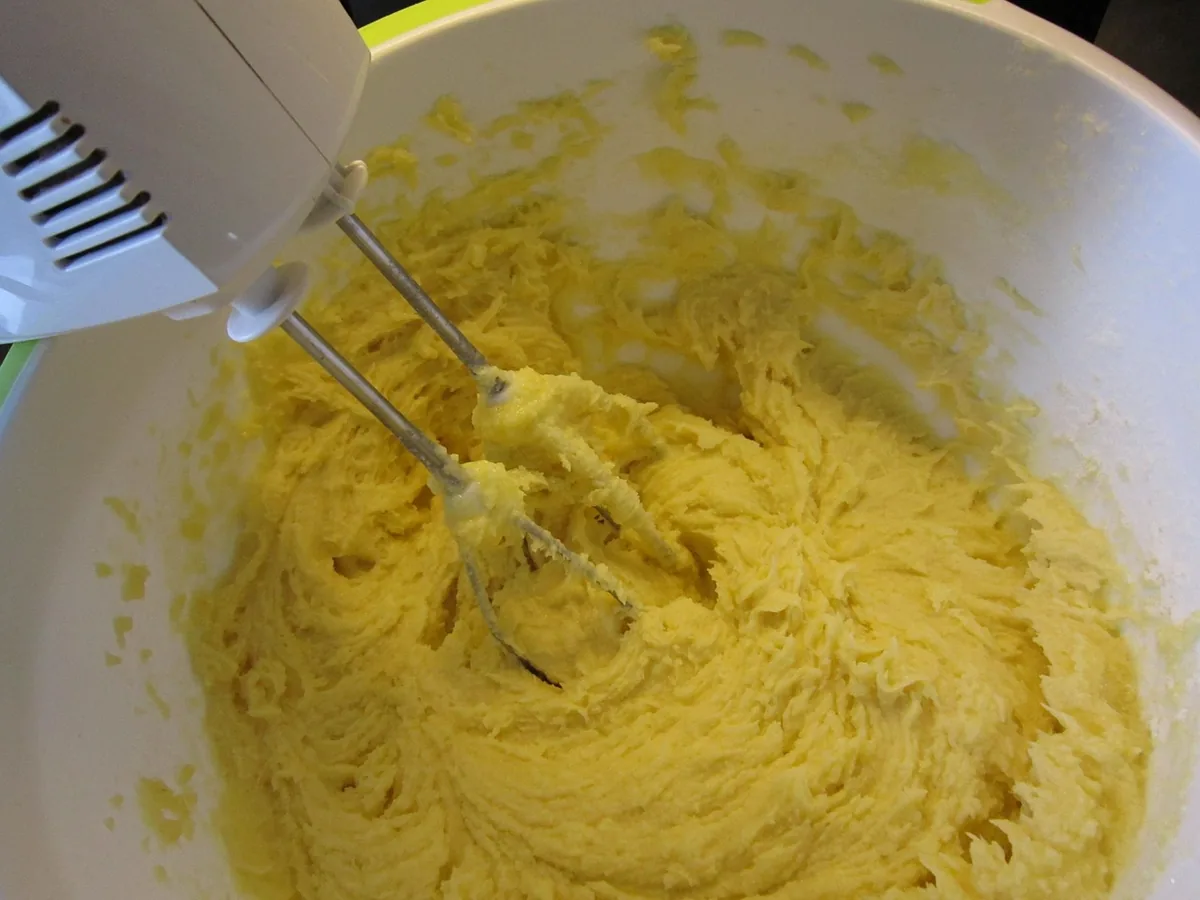
5. Alternate the flour and buttermilk
- Stir the vanilla into the buttermilk.
- With the mixer on low, add one-third of the flour and mix until just blended.
- Add half the buttermilk, then another third of the flour, the rest of the buttermilk and the last of the flour.
- Stop as soon as no dry flour shows, then fold a few times with a spatula, scraping the bottom of the bowl.
Starting and ending with flour keeps the batter from breaking. The batter will be thick but softer and glossier than a sour cream pound cake batter.
6. Bake low and slow
Spoon the batter into the pan, smooth the top and tap the pan firmly on the counter 3 or 4 times to knock out big air bubbles. Bake for 65 to 75 minutes, until the top is deep golden and cracked, a skewer in the thickest part comes out clean or with a few moist crumbs, and the center reads 205°F to 210°F (96°C to 99°C). Don’t open the oven for the first 50 minutes.
7. Cool, then glaze
Cool the cake in the pan on a rack for 15 minutes, run a thin knife around the edges and center tube, and turn it out. Cool completely, about 2 hours. For the glaze, whisk the powdered sugar, buttermilk, vanilla and salt until thick but pourable, and spoon it over the cooled cake.
Bundt vs. Loaf Pans: Bake Times
This batter makes about 9 cups, which fills a 12-cup Bundt pan about two-thirds of the way. Keep the oven at 325°F (165°C) for every pan and check doneness with a skewer and thermometer rather than the clock alone.
| Pan | Batter | Bake time at 325°F | Good to know |
|---|---|---|---|
| 12-cup Bundt pan | All of it | 65 to 75 minutes | The classic ring; crust on every side |
| 10-inch tube pan (16 cups) | All of it | 65 to 75 minutes | Lower, wider cake; easier to release |
| Two 9×5-inch loaf pans | About 4½ cups each | 55 to 65 minutes | Square slices; freeze one loaf |
| Two 8½x4½-inch loaf pans | About 4½ cups each | 60 to 70 minutes | Taller loaves; tent with foil at 45 minutes |
| Half batch, one 9×5-inch loaf | Half recipe (2 eggs + 1 yolk) | 55 to 65 minutes | Use ½ cup buttermilk and ⅛ tsp soda |
| Muffin pan, lined | ⅓ cup per cup, about 2 dozen | 22 to 26 minutes | Pound cake cupcakes for parties |
Bundt or loaf: which to choose
- Bundt pans have a center tube that pushes heat into the middle, so the batter bakes evenly and you get a crisp crust on every surface. It’s the best choice for serving a crowd.
- Loaf pans give neat, sandwich-shaped slices that toast well, and the top cracks down the center in that classic split. They need a foil tent if the top browns before the center is done.
- Dark or nonstick pans brown faster, so start checking 10 minutes early.
Tips for the Best Buttermilk Pound Cake Recipe
- Bring everything to room temperature. Cold buttermilk or eggs firm up the creamed butter and knock out the air. Set them out 1 hour ahead, or warm the buttermilk for 15 seconds in the microwave until it’s no longer cold.
- Measure the flour by weight. 375 g is the target. If you use cups, spoon the flour in and level it with a knife.
- Cream long enough. Five to six minutes on medium-high, until nearly white. Under-creamed butter gives a dense, gummy line near the bottom.
- Mix gently once the flour goes in. Low speed, and stop as soon as it’s blended. Overmixing builds gluten, which is exactly what the buttermilk is trying to prevent.
- Use real buttermilk when you can. Cultured buttermilk is thicker and more acidic than a quick soured-milk substitute, so it gives the most tender crumb.
- Don’t eat the raw batter. It’s tempting, but raw flour can carry harmful bacteria such as E. coli, and the batter also contains raw eggs. Flour is only safe once it’s baked. The FDA explains why in its guide to handling flour safely. Wash your hands, bowls and spatulas after mixing too.
Troubleshooting
| Problem | Likely cause | Fix next time |
|---|---|---|
| Dense, wet streak at the bottom | Under-creamed butter or cold ingredients | Cream 5 to 6 minutes; warm the eggs and buttermilk |
| Sunken center | Underbaked or oven opened early | Bake to 205°F in the center; wait 50 minutes before peeking |
| Coarse, holey crumb | Too much baking soda or overmixing | Level the ¼ teaspoon soda; mix on low |
| Dry slices | Too much flour or overbaked | Weigh the flour; start checking at 60 minutes |
| Cake stuck to the pan | Ridges missed or cooled too long in the pan | Grease with a brush; turn out after 15 minutes |
| Soapy or metallic taste | Baking soda not mixed in evenly | Whisk the dry ingredients well before adding |
Easy Variations and Substitutions
No buttermilk in the fridge? Any of these swaps works in this cake. They all supply the acid the baking soda needs, though real cultured buttermilk still gives the most tender, fine crumb. Use 1 cup (240 ml) total, and let soured milk stand for 10 minutes before using.
Buttermilk substitute table
| Substitute for 1 cup buttermilk | How to make it | Result in the cake |
|---|---|---|
| Milk + lemon juice | 1 tbsp lemon juice in a cup, then whole milk to the 1-cup line; rest 10 minutes | Very close; slightly less tangy |
| Milk + white vinegar | 1 tbsp distilled white vinegar, then whole milk to 1 cup; rest 10 minutes | Close; neutral flavor |
| Plain yogurt + milk | ¾ cup plain whole-milk yogurt whisked with ¼ cup milk | Slightly richer and denser |
| Kefir | 1 cup plain kefir, as is | Nearly identical crumb and tang |
| Sour cream + milk | ½ cup sour cream whisked with ½ cup milk | Richer, tighter crumb |
| Powdered buttermilk | 4 tbsp powder whisked into the flour; add 1 cup water with the wet ingredients | Good flavor; handy for pantry baking |
Flavor variations
- Lemon buttermilk pound cake: rub the zest of 2 lemons into the sugar before creaming and use lemon juice instead of buttermilk in the glaze.
- Almond: swap 1 teaspoon of the vanilla for ½ teaspoon almond extract and scatter sliced almonds in the pan.
- Cinnamon swirl: layer the batter with 3 tablespoons sugar mixed with 2 teaspoons cinnamon.
- Chocolate: for a deep cocoa version, follow our dedicated chocolate pound cake recipe instead; cocoa changes the balance of acid and soda.
What to Serve With Buttermilk Pound Cake
A plain slice with coffee is hard to beat, but the mild tang of this pound cake also pairs well with fruit and cream.
- Macerated strawberries (1 pound sliced berries tossed with 2 tablespoons sugar for 20 minutes) and whipped cream
- Sliced peaches or warm blueberry sauce with vanilla ice cream
- Lemon curd and a few raspberries
- Toasted slices with salted butter and honey for breakfast
- A dessert table next to our mini cheesecakes, which bake in a muffin tin and are easy to pick up
It also makes a classic finish after a Sunday dinner like beef tips and gravy. For more ideas, browse all our cake recipes.
How to Store, Freeze and Reheat
Buttermilk pound cake keeps well because of its fat and sugar. Wrap it as soon as it’s completely cool so the crust doesn’t dry out.
- Room temperature: wrap tightly in plastic wrap or keep under a cake dome for up to 4 days.
- Refrigerator: up to 1 week, well wrapped. Chilled pound cake tastes firm and dull, so let slices sit out 20 minutes before serving.
- Freezer: wrap the whole cake, a loaf or single slices in plastic wrap, then foil or a freezer bag. Freeze up to 3 months and thaw at room temperature, still wrapped, for 2 to 3 hours.
- Glazed cake: freeze unglazed if you can, then glaze after thawing.
- To refresh: warm a slice for 10 seconds in the microwave, or toast it in a buttered skillet over medium heat for 1 to 2 minutes per side.
Make-ahead plan
- Up to 3 months ahead: bake, cool, wrap and freeze.
- The night before: move the wrapped cake to the counter to thaw.
- 2 hours before serving: glaze, then let it set uncovered.
Buttermilk Pound Cake FAQs
What does buttermilk do in pound cake?
Its acid tenderizes the gluten for a soft, fine crumb, reacts with baking soda for a little lift, and adds moisture and a mild tang. The cake comes out lighter than a sour cream or cream cheese pound cake.
Can I use regular milk instead of buttermilk?
Not on its own. Plain milk has no acid to react with the baking soda, so the cake can taste soapy and bake up flat. Sour it first with 1 tablespoon lemon juice or vinegar per cup.
Why is my buttermilk pound cake dense?
Usually the butter and sugar weren’t creamed long enough, or the eggs and buttermilk were cold. Cream for 5 to 6 minutes and use room-temperature ingredients.
Can I use low-fat buttermilk?
Yes. Most store buttermilk is low-fat, and this recipe was written for it. Whole buttermilk gives a slightly richer crumb.
Should a pound cake crack on top?
Yes. The crust sets while the center is still rising, so it splits. A crack is a normal sign of a well-risen pound cake.
What is the difference between a classic pound cake and a buttermilk pound cake?
A classic pound cake uses only butter, sugar, eggs and flour, with no liquid or leavening, and has a tight, heavy crumb. Buttermilk and a pinch of baking soda make this version softer, taller and slightly tangy.
Buttermilk Pound Cake Recipe Card
Calories are an estimate per slice (1/16 of the cake, without glaze) based on USDA FoodData Central values for butter, sugar, eggs, all-purpose flour and low-fat buttermilk.

Buttermilk Pound Cake
Ingredients
Equipment
Method
- Heat the oven to 325°F (165°C). Grease every ridge of a 12-cup Bundt pan with soft butter and dust with flour (or use two 9×5-inch loaf pans).
- Whisk the flour, baking soda and salt. Stir the vanilla into the buttermilk.
- Beat the butter 1 minute, add the sugar and beat on medium-high 5 to 6 minutes, until pale and fluffy.
- Beat in the eggs one at a time, about 30 seconds each, scraping the bowl.
- On low speed, add the flour in three parts alternating with the buttermilk in two, starting and ending with flour. Mix just until combined and fold once with a spatula.
- Spread the batter in the pan, tap to release air bubbles and bake 65 to 75 minutes (loaf pans 55 to 65 minutes), until a skewer comes out clean and the center reads 205°F to 210°F (96°C to 99°C).
- Cool 15 minutes in the pan, turn out and cool completely, about 2 hours. Whisk the glaze ingredients and spoon over the cooled cake, if using.


