

Blog
How to Make Cake Flour (2-Ingredient Substitute With Cornstarch)

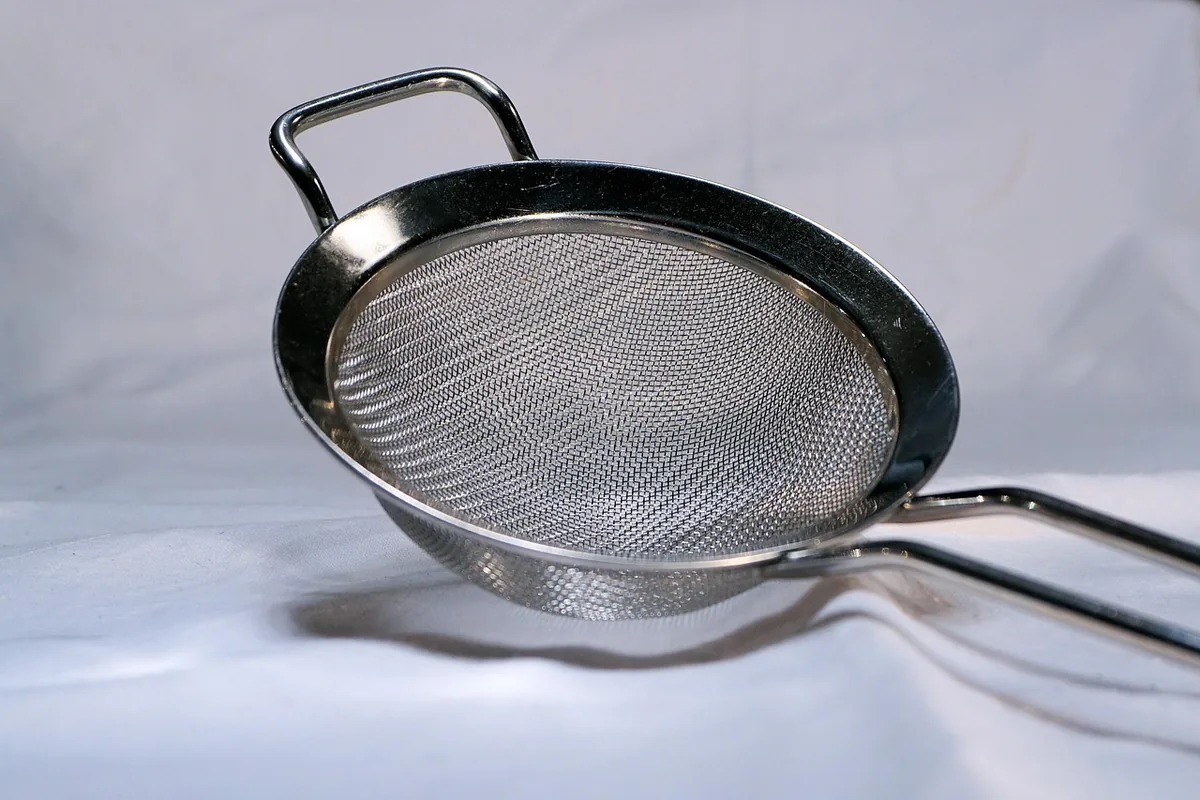
Here’s how to make cake flour at home: measure 1 level cup of all-purpose flour, take out 2 tablespoons, add back 2 tablespoons of cornstarch, then sift the mix together 2 to 3 times. That’s it. You get a soft, low-protein flour that bakes up just like store-bought cake flour, and it takes about 2 minutes with ingredients you already have.
Below you’ll find the exact amounts for any recipe, gram weights, why the cornstarch trick works, how cake flour differs from all-purpose, self-rising and pastry flour, a few other substitutes, which cakes really need it and an FAQ. There’s also a printable card at the bottom so you can keep the ratio handy.
Quick Answer: The Cake Flour Formula
| For this much cake flour | All-purpose flour | Cornstarch |
|---|---|---|
| 1 cup | 1 cup minus 2 tbsp (14 tbsp) | 2 tbsp |
| By weight (1 cup) | about 105 g | about 16 g |
| ½ cup | ½ cup minus 1 tbsp (7 tbsp) | 1 tbsp |
| ¼ cup | ¼ cup minus 1½ tsp | 1½ tsp |
Always sift after mixing. Sifting blends the cornstarch evenly and adds air, which is what makes this homemade version act like the real thing.
Why Learn How to Make Cake Flour?
Many home bakers buy a box of cake flour for one recipe, then find it months later at the back of the cupboard. Knowing how to make cake flour from pantry staples saves money and shelf space, and it means you can bake a soft white cake any time without a trip to the store. All you need is all-purpose flour, cornstarch and a sieve.
It’s also handy when stores run out, when you only need a small amount, or when a recipe from another country uses a different flour. Once you understand the ratio, you can adjust any recipe in a few seconds.
What Is Cake Flour?
Cake flour is a finely milled, low-protein flour made from soft wheat. It usually has about 7 to 9 percent protein, compared with about 10 to 12 percent in all-purpose flour. Most store-bought cake flour is also bleached, which helps it absorb more liquid and sugar and set into a fine, even crumb.
Less protein means less gluten. Gluten is the stretchy network that gives bread its chew. In a cake, you want the opposite: a soft, tender, fine crumb. That’s why recipes for white cake, sponge cake, angel food cake and chiffon cake often call for cake flour.
Why the Cornstarch Trick Works
- It lowers the protein. Cornstarch has no gluten-forming protein. Swapping 2 tablespoons of flour for cornstarch lowers the protein in each cup to close to cake flour levels.
- It softens the crumb. Cornstarch gets in the way of gluten strands forming, so the cake stays tender.
- Sifting makes it lighter. Store-bought cake flour is very fine. Sifting your mix 2 or 3 times breaks up lumps and adds air so it’s closer in texture.
The one thing homemade cake flour can’t copy is the bleaching. For most home cakes the difference is small. For very delicate cakes like angel food or a tall white layer cake, store-bought cake flour gives a slightly finer, whiter crumb.
Bleached vs Unbleached Flour
Most store-bought cake flour is bleached. Bleaching changes the starch in the flour so it soaks up more liquid and fat and holds more sugar. That lets cake batters with lots of sugar set into a tall, fine, tender crumb instead of sinking. It also makes the flour whiter, which shows in white cakes.
All-purpose flour comes in both bleached and unbleached versions. If you can, use bleached all-purpose flour for your homemade mix, since it’s a little closer to the real thing. Unbleached works too; the cake may be slightly more golden and a bit less tall. For everyday cakes, cupcakes and pound cakes, most people won’t notice.
Equipment You Need
- Dry measuring cups and spoons. Liquid measuring cups aren’t accurate for flour.
- A fine-mesh sieve or flour sifter. A sieve is easier to clean and works just as well.
- A large bowl to sift into, plus a sheet of parchment if you like to pour flour back easily.
- A straight-edged knife to level the cups.
- A kitchen scale (optional but best) for exact results.
How to Make Cake Flour, Step by Step
- Measure the flour. Spoon all-purpose flour into a 1-cup dry measuring cup and level it with the back of a knife. Don’t scoop straight from the bag, which packs in too much flour.
- Remove 2 tablespoons. Take out 2 level tablespoons of flour and put them back in the bag.
- Add 2 tablespoons of cornstarch. Level them off as well.
- Sift. Pour the mix into a fine-mesh sieve set over a bowl and sift it.
- Sift again. Pour it back into the sieve and sift 1 or 2 more times, until it looks even and very light.
- Measure again. Sifted flour takes up more space. Spoon it back into your measuring cup and level it before using it in your recipe. Repeat for each cup the recipe needs.
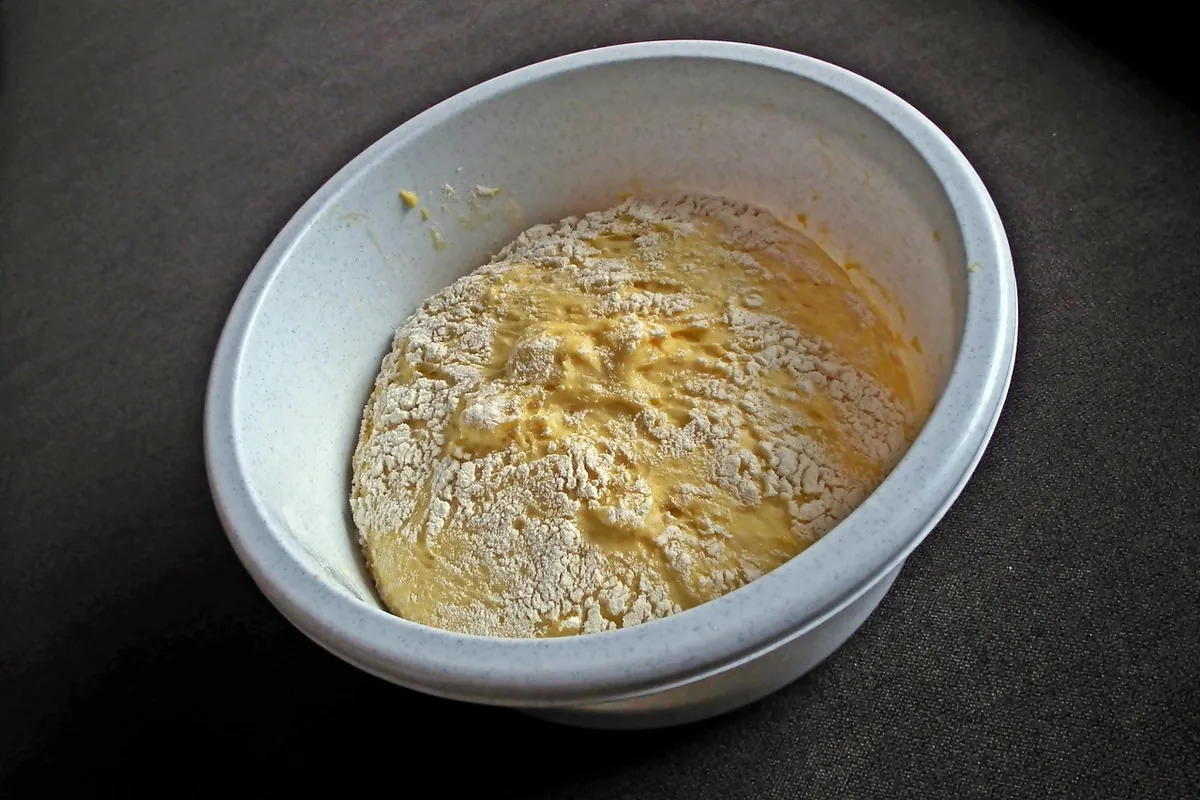
Measuring by Weight (Most Accurate)
A kitchen scale takes the guesswork out of baking. One cup of cake flour weighs about 120 grams. To make it by weight:
| Cake flour needed | All-purpose flour | Cornstarch | Total |
|---|---|---|---|
| 120 g (1 cup) | 105 g | 15 g | 120 g |
| 240 g (2 cups) | 210 g | 30 g | 240 g |
| 300 g (2½ cups) | 263 g | 37 g | 300 g |
| 360 g (3 cups) | 315 g | 45 g | 360 g |
| Any amount | 87.5% of the total | 12.5% of the total | 100% |
The percentage row works for any recipe: multiply the grams of cake flour the recipe calls for by 0.875 for all-purpose flour and by 0.125 for cornstarch.
Cake Flour Substitute for Any Recipe
Here are the amounts for the most common recipe sizes, so you don’t have to do the math. Sift each batch well.
| Recipe calls for | All-purpose flour | Cornstarch |
|---|---|---|
| 1 cup cake flour | ¾ cup + 2 tbsp | 2 tbsp |
| 1½ cups | 1¼ cups + 1 tbsp | 3 tbsp |
| 2 cups | 1¾ cups | ¼ cup |
| 2¼ cups | 2 cups minus 1½ tsp | ¼ cup + 1½ tsp |
| 2½ cups | 2 cups + 3 tbsp | ¼ cup + 1 tbsp |
| 3 cups | 2⅝ cups (2½ cups + 2 tbsp) | 6 tbsp |
| 4 cups | 3½ cups | ½ cup |
Cake Flour vs All-Purpose Flour
| Cake flour | All-purpose flour | |
|---|---|---|
| Protein | About 7 to 9% | About 10 to 12% |
| Texture | Very fine, silky, often bleached | Medium grind |
| Weight per cup | About 120 g | About 125 g |
| Best for | Sponge, chiffon, angel food, white and yellow layer cakes | Cookies, pound cake, muffins, quick breads, everyday baking |
| Crumb | Soft, fine, tender | Slightly sturdier, a bit coarser |
Can you use all-purpose flour straight in a cake flour recipe? Yes, in a pinch: use 1 cup minus 2 tablespoons of all-purpose for every cup of cake flour. The cake will be a little denser and less tender, but it will work.
Cake Flour vs Pastry Flour, Self-Rising Flour and Bread Flour
| Flour | Protein | Leavening added? | Use instead of cake flour? |
|---|---|---|---|
| Cake flour | 7 to 9% | No | — |
| Pastry flour | 8 to 10% | No | Yes, 1 to 1, slightly less tender |
| Self-rising flour | 8 to 10% | Yes (baking powder and salt) | Only if you leave out the recipe’s baking powder and salt |
| All-purpose flour | 10 to 12% | No | Yes, with the cornstarch trick |
| Bread flour | 12 to 14% | No | No; cakes turn tough and chewy |
| Whole wheat flour | 13 to 14% | No | No for light cakes; heavy, coarse crumb |
Self-rising flour has about 1½ teaspoons of baking powder and ¼ teaspoon of salt in every cup. If you use it, cut those amounts from the recipe so the cake doesn’t overflow or taste salty.
Other Cake Flour Substitute Options
- Arrowroot or potato starch: use instead of cornstarch, in the same amount. Both work well.
- Pastry flour: swap 1 to 1. Pastry flour is a little higher in protein but close enough for most cakes.
- Half all-purpose, half pastry flour: a good choice for tender muffins and cupcakes.
- Gluten-free: a 1-to-1 gluten-free baking blend that contains xanthan gum. Cakes made this way are naturally tender, since there’s no gluten.
Avoid tapioca starch in large amounts; it can make cakes slightly gummy.
Which Cakes Need Cake Flour?
| Cake | Cake flour? | Why |
|---|---|---|
| Angel food cake | Yes, strongly | Very light foam cake; needs the lowest protein |
| Chiffon and sponge cake | Yes | Airy texture depends on a weak gluten structure |
| White and yellow layer cake | Recommended | Fine, velvety crumb |
| Red velvet cake | Recommended | The “velvet” crumb |
| Pound cake | Either | Cake flour gives a finer crumb; all-purpose a sturdier one |
| Chocolate cake | Usually not | Cocoa already softens the crumb |
| Cupcakes and muffins | Either | Cake flour for bakery-soft cupcakes |
| Cookies, brownies, bread | No | Need more structure and chew |
Our buttermilk pound cake works with either flour. For a chocolate layer cake that uses all-purpose flour, see our cookies and cream cake.
A Simple Test: Homemade Cake Flour vs All-Purpose in the Same Cake
If you’d like to see the difference for yourself, bake two small batches of the same vanilla cupcake recipe side by side: one with plain all-purpose flour and one with homemade cake flour. Look for these differences when they cool:
- Height: the cake flour cupcakes usually rise a little higher and more evenly.
- Crumb: cut them in half. The cake flour batch has smaller, more even holes.
- Bite: the cake flour batch feels softer and melts away faster; the all-purpose batch is a bit springier.
- Color: the cake flour crumb often looks a shade lighter.
Both batches will taste good. The cake flour version simply has the soft, fine texture people expect from a bakery cake.
Converting a Recipe That Uses All-Purpose Flour
Want to use real cake flour in a recipe written for all-purpose? Use 1 cup plus 2 tablespoons of cake flour for each cup of all-purpose flour. Cake flour is lighter and weaker, so you need a little more to give the cake enough structure. This swap works best for white and yellow cakes and cupcakes. Don’t use it for cookies, bread or pizza dough, which need the extra protein.
Cake Flour Substitute for Small Batches
Baking just a few cupcakes or a mug cake? These small amounts are easy to measure with standard spoons:
| Cake flour needed | All-purpose flour | Cornstarch |
|---|---|---|
| 2 tablespoons | 1 tbsp + 2½ tsp | ½ tsp |
| 3 tablespoons | 2 tbsp + 2 tsp | 1 tsp |
| ⅓ cup | ¼ cup + 1 tbsp + ½ tsp | 2 tsp |
| ⅔ cup | ½ cup + 1 tbsp + 1 tsp | 1 tbsp + 1 tsp |
| ¾ cup | ½ cup + 2½ tbsp | 1½ tbsp |
For tiny amounts, a scale is much easier: 12.5% cornstarch and 87.5% flour by weight, every time.
Tips for Using Homemade Cake Flour
- Make it per cup. Mix each cup separately rather than taking cornstarch out of a big batch, so the ratio stays exact.
- Sift, then measure. Sifting makes flour fluffier, so always measure after sifting.
- Don’t overmix the batter. Even with low-protein flour, beating the batter too long after adding flour builds gluten. Mix just until no dry streaks remain.
- Weigh if you can. A scale gives the same cake every time.
- Check the recipe’s other flours. If a recipe calls for “cake flour, sifted,” measure after sifting. If it says “sifted cake flour,” that also means sift first, then measure.
Making a Batch to Keep
If you bake often, you can mix a bigger batch: whisk 7 cups of all-purpose flour with 1 cup of cornstarch (by weight, 875 g flour and 125 g cornstarch), then sift the whole thing twice. Store it in an airtight container labeled “cake flour” with the date. Whisk it again before measuring, since cornstarch can settle over time.
How to Store Cake Flour
- Pantry: in an airtight container in a cool, dry place for up to 6 months.
- Freezer: up to 1 year in a sealed bag or container. Let it come to room temperature before baking.
- Watch for: a sour or musty smell, bugs or clumps from moisture. Throw it out if you see any of these.
Is It Safe to Taste Raw Flour?
No. Raw flour hasn’t been treated to kill germs, and it has been linked to outbreaks of E. coli and Salmonella. The FDA advises not eating raw dough or batter made with flour and keeping raw flour away from ready-to-eat foods. Read their tips on handling flour safely. Wash your hands, bowls and counters after working with it, and bake cakes until a toothpick in the center comes out clean.
Troubleshooting Cakes Made With Homemade Cake Flour
| Problem | Likely cause | Fix |
|---|---|---|
| Dense, heavy cake | Flour packed into the cup, or not sifted | Spoon and level; sift 2 to 3 times |
| Tough or chewy crumb | Batter overmixed, or bread flour used | Mix just until combined |
| Cake sank in the middle | Too little flour after sifting, or underbaked | Measure after sifting; check with a toothpick |
| Dry cake | Too much flour or overbaked | Weigh the flour; start checking 5 minutes early |
| Chalky taste | Too much cornstarch | Use exactly 2 tbsp per cup |
How to Make Cake Flour FAQ
How do you make 1 cup of cake flour?
Measure 1 cup of all-purpose flour, remove 2 tablespoons, add 2 tablespoons of cornstarch and sift together 2 to 3 times.
Can I use cornstarch and self-rising flour?
Yes, the same way, but remember self-rising flour already has baking powder and salt. Leave those out of your recipe.
Is cake flour the same as self-rising flour?
No. Cake flour has no leavening. Self-rising flour has baking powder and salt added.
Is cake flour the same as pastry flour?
They’re close but not the same. Pastry flour has a little more protein and is usually unbleached. It’s great for pie crusts, biscuits and tender muffins.
Can I skip sifting?
You can whisk the mix very well instead, but sifting gives the lightest result. Sift at least once.
Can I make cake flour without cornstarch?
Yes. Use arrowroot or potato starch in the same amount. If you have no starch at all, use 1 cup minus 2 tablespoons of all-purpose flour per cup and expect a slightly denser cake.
Does homemade cake flour work for angel food cake?
It works, but store-bought bleached cake flour gives the tallest, finest angel food cake. Sift the homemade mix 4 or 5 times for the best result.
How long does homemade cake flour last?
As long as the all-purpose flour you made it with: up to 6 months in an airtight container in the pantry, or about a year in the freezer.
Why do I need to sift so many times?
Each pass through the sieve mixes the cornstarch in more evenly and adds more air. Two or three passes is enough for most cakes.
Can I use cornmeal instead of cornstarch?
No. Cornmeal is ground dried corn with a gritty texture. Cornstarch is a fine white powder made only from the starchy part of the kernel. Only cornstarch works here.
Homemade Cake Flour Recipe Card
Calories are an estimate per cup based on USDA FoodData Central values for all-purpose flour and cornstarch. It’s an ingredient, so the calories end up spread across the servings of your cake.

Homemade Cake Flour
Ingredients
Equipment
Method
- Spoon all-purpose flour into a 1-cup measure and level it. Remove 2 tablespoons.
- Add 2 level tablespoons of cornstarch to the flour.
- Sift the mix into a bowl, then sift it 1 to 2 more times until light and even.
- Spoon the sifted mix back into the cup and level it before using. Repeat for each cup of cake flour your recipe needs.


