

Blog
How to Cook Salmon: 6 Easy Methods Compared

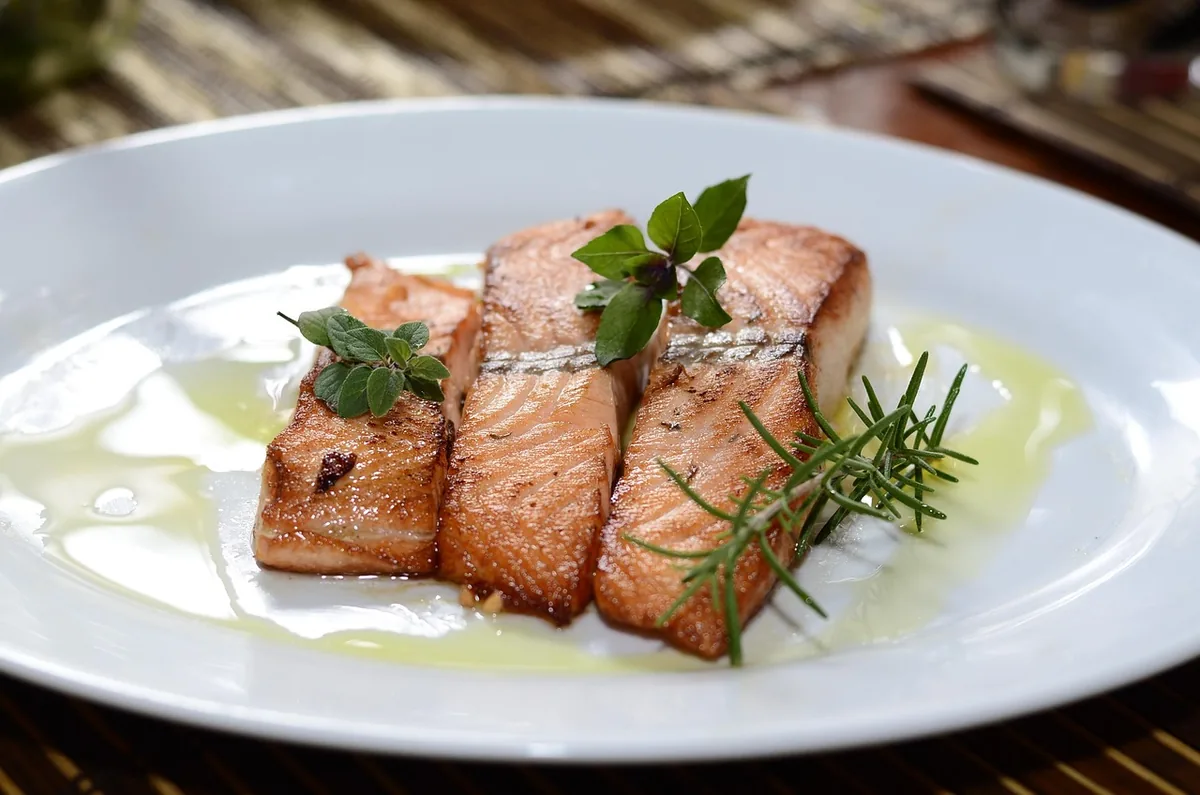
Learning how to cook salmon well comes down to two things: picking a method that suits your fillet and your evening, and taking the fish off the heat at the right moment. Bake, pan-sear, broil, air fry, grill or poach: every one of these six methods gives you moist, flaky salmon once you know its temperature and its time per inch of thickness.
This guide compares all six side by side in one simple chart, then walks you through each method step by step, with exact heat settings in °F and °C. You’ll also find the mistakes that make salmon dry, the USDA safe temperature, and links to our detailed recipes for each method, so you can go from “what should I do with this fillet?” to dinner in about 20 minutes.
Quick Answer: How to Cook Salmon
- Easiest method: bake 1-inch (2.5 cm) fillets at 400°F (200°C) for 12 to 15 minutes.
- Crispiest skin: pan-sear skin side down over medium-high heat for about 5 minutes, flip and cook 2 to 3 minutes more.
- Fastest: broil or air fry. Both finish a 1-inch fillet in 8 to 10 minutes.
- Most flavor: grill over medium-high heat, about 450°F (230°C), for 4 to 5 minutes per side.
- Most gentle: poach in barely simmering liquid for 10 to 12 minutes.
- When it’s done: 145°F (63°C) in the thickest part is the USDA guideline. Many cooks pull it at 125°F to 130°F (52°C to 54°C) for a moister center. Our salmon internal temp guide explains the difference.
Salmon Cooking Methods: The Simple Chart
Times are for skin-on or skinless fillets about 1 inch (2.5 cm) thick, cooked to 145°F (63°C). For a 1½-inch fillet, add about half the time again; for a ¾-inch tail piece, start checking a third sooner.
| Method | Temperature | Time per inch | Best for | Texture |
|---|---|---|---|---|
| Bake | 400°F (200°C) oven | 12 to 15 minutes | Weeknights, several fillets, glazes, sheet pan dinners | Evenly moist and tender, soft top |
| Pan-sear | Medium-high stovetop, oil shimmering | 7 to 8 minutes (5 skin side + 2 to 3 flesh side) | 1 to 4 fillets, crispy skin, pan sauces | Crisp, golden crust with a juicy center |
| Broil | High, rack 6 inches (15 cm) from the heat | 8 to 10 minutes, no flipping | Sweet glazes such as brown sugar, honey or miso | Caramelized, slightly charred top; moist inside |
| Air fryer | 390°F (200°C) | 8 to 10 minutes, no flipping | 1 or 2 fillets, salmon bites, quick lunches | Lightly crisp edges, flaky center |
| Grill | Medium-high, about 450°F (230°C), direct heat | 8 to 10 minutes (4 to 5 per side) | Summer cooking, smoky flavor, cedar planks | Smoky, firm outside with grill marks |
| Poach | Liquid at 160°F to 180°F (70°C to 80°C), barely simmering | 10 to 12 minutes | Cold salmon salads, meal prep, delicate wild salmon | Very soft, silky, pale and evenly cooked |
Use these numbers as a starting point for cooking salmon, not a promise. Fish straight from the fridge, a crowded pan or an oven that runs cool can add a few minutes, so check the temperature early. Lean wild salmon such as sockeye cooks faster and dries out sooner than fatty farmed Atlantic salmon, which is why many people cook wild fillets to a lower temperature. Our guide to wild caught vs farmed salmon covers the differences.
Before You Start: How to Prep a Salmon Fillet
Good prep takes five minutes and makes every method work better. Whatever you choose, how to cook salmon well starts here, before the heat goes on.
- Thaw it right. Move frozen salmon to the fridge the night before, or seal it in a zip-top bag and submerge it in cold water for about 1 hour.
- Check for pin bones. Run your fingers along the center of the flesh. Pull out any small bones with tweezers or clean pliers.
- Pat it very dry. Use paper towels on both sides. A dry surface browns; a wet one steams and sticks.
- Even it out. Tuck the thin tail end under itself, or cut it off and cook it separately, so the whole piece finishes at the same time.
- Season simply. For four 6-ounce (170 g) fillets, use about 1 teaspoon kosher salt, ½ teaspoon black pepper and 1 tablespoon (15 ml) olive or avocado oil.
- Take the chill off. Let the fillets sit out for 10 to 15 minutes while the oven or pan heats, and no longer.
A 6-ounce (170 g) fillet per person is a standard portion. For four people, buy about 1½ pounds (680 g) of fillets or a 1¾-pound (800 g) side of salmon if you’ll trim it.
Step-by-Step Method: How to Cook Salmon 6 Ways
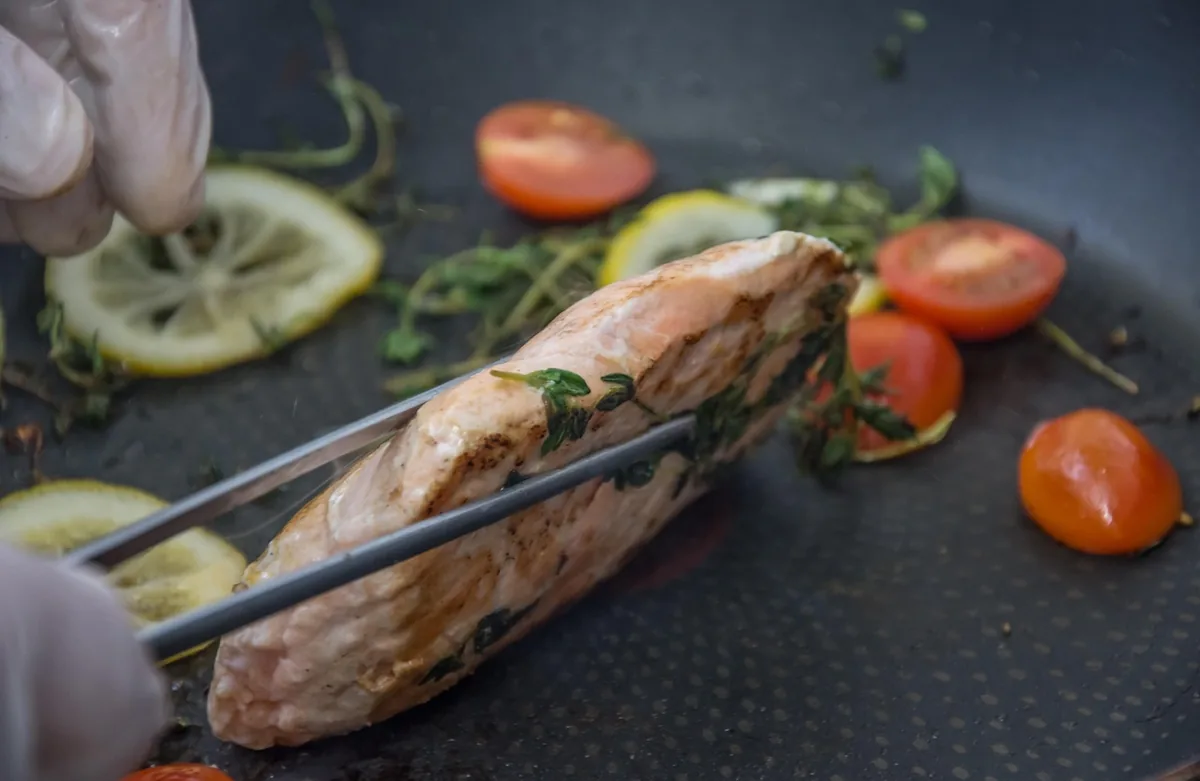
Here’s how to cook salmon with each method. Every one assumes prepped, seasoned 1-inch fillets. Have an instant-read thermometer ready: it’s the one tool that takes the guesswork out of cooking salmon, whatever the method.
1. How to Bake Salmon
Baking is the most forgiving method and the easiest way to cook four or more fillets at once.
- Heat the oven to 400°F (200°C) and line a rimmed baking sheet with parchment or lightly oiled foil.
- Place the fillets skin side down, 1 inch apart. Brush with oil or melted butter and season.
- Bake for 12 to 15 minutes, until the thickest part flakes and reaches your target temperature.
- Squeeze over lemon juice and rest for 3 minutes before serving.
Want a full recipe? Try our baked sockeye salmon with lemon garlic butter, or roast the fish and vegetables together in this one-pan sheet pan salmon. Thin wild sockeye usually needs only 8 to 10 minutes.
2. How to Pan-Sear Salmon
Pan-searing gives you crackly skin and a golden crust. Use a stainless steel or cast iron skillet; nonstick works but browns less.
- Heat 1 tablespoon (15 ml) oil in a 12-inch skillet over medium-high heat until it shimmers.
- Lay the fillets in skin side down, pressing each one flat with a spatula for 10 seconds so the skin doesn’t curl.
- Cook without moving for 4 to 5 minutes, until the skin releases easily and the color has crept about two-thirds up the sides.
- Flip, add 1 tablespoon (14 g) butter if you like, and cook 2 to 3 minutes more.
Leave plenty of space in the pan, or the fish steams. For a quick skillet dinner, cut the fillets into cubes and make our honey garlic salmon bites, which sear in about 6 minutes total, or finish the pan with lemon and capers for salmon piccata.
3. How to Broil Salmon
Broiling is fast and perfect for sweet glazes, which bubble and caramelize under the direct heat.
- Move a rack so the top of the fish will sit about 6 inches (15 cm) from the broiler, and heat the broiler on high.
- Line a sheet pan with foil (parchment can scorch under a broiler) and oil it lightly.
- Arrange the fillets skin side down, season, and brush on any glaze.
- Broil for 8 to 10 minutes without flipping, checking from minute 6. Tent with foil if the top darkens before the center is done.
Our brown sugar salmon bakes first and finishes under the broiler, and the miso salmon recipe uses the broiler for its glossy, deep golden top.
4. How to Cook Salmon in the Air Fryer
The air fryer is the quickest way to cook one or two fillets, with no preheating of a big oven.
- Preheat the air fryer to 390°F (200°C) for 3 to 5 minutes.
- Rub the fillets with oil and seasoning and place them skin side down in a single layer, not touching.
- Air fry for 8 to 10 minutes without flipping. Check a 1-inch fillet at 7 minutes.
- Rest for 2 to 3 minutes, then lift the fish off the skin if you prefer it skinless.
Basket sizes vary, so allow an extra minute or two in a large or crowded basket. Our full air fryer salmon recipe includes a simple garlic-paprika rub and times for frozen fillets.
5. How to Grill Salmon
Grilling adds smoky flavor that no indoor method can match. The keys are a clean, hot, well-oiled grate and skin-on fillets.
- Heat the grill to medium-high, about 450°F (230°C). Scrub the grates clean and oil them with a paper towel held in tongs.
- Oil the fish well and place it flesh side down on the grate. Close the lid.
- Cook for 4 to 5 minutes without moving, until it releases on its own, then flip onto the skin side.
- Cook 3 to 5 minutes more with the lid closed, until it reaches your target temperature.
If the fish sticks, give it another minute: it lets go once it’s seared. Our how to grill salmon recipe adds a honey-garlic glaze. For no sticking at all, use a soaked plank as in our cedar plank salmon, which cooks over direct heat in about 15 minutes with no flipping.
6. How to Poach Salmon
Poaching is the gentlest method and the hardest to overcook. It gives you soft, evenly cooked fish that’s ideal chilled.
- In a wide, deep skillet, combine 4 cups (950 ml) water or broth, ½ cup (120 ml) dry white wine or 2 tablespoons lemon juice, 1 teaspoon salt, a few peppercorns, a bay leaf and some dill or parsley stems.
- Bring it to a simmer, then lower the heat until it’s barely moving, 160°F to 180°F (70°C to 80°C).
- Slide in the fillets; the liquid should just cover them. Add hot water if needed.
- Poach uncovered for 10 to 12 minutes, until the center is opaque. Lift out with a slotted spatula.
Don’t let it boil: rolling bubbles toughen the fish and squeeze out white albumin. Poached salmon keeps for 3 to 4 days in the fridge and is great flaked into salads, grain bowls or sandwiches.
Which Is the Best Way to Cook Salmon?
There isn’t one best way to cook salmon for everyone. The right method depends on how many people you’re feeding, the equipment you have and the texture you like. Use this quick guide to decide.
| If you want… | Choose | Why |
|---|---|---|
| The easiest hands-off dinner | Bake | No flipping, no splatter, cooks a whole tray evenly |
| Restaurant-style crispy skin | Pan-sear | Direct contact with a hot pan renders and crisps the skin |
| Dinner in under 15 minutes | Air fryer or broil | Intense, close heat and no flipping |
| Smoky, outdoor flavor | Grill or cedar plank | Live fire and wood smoke |
| Cold salmon for salads and meal prep | Poach | Gentle heat keeps it moist even when chilled |
| A glaze that caramelizes | Broil | Top heat browns sugar quickly |
If you’re new to cooking salmon, start with baking. Once you’re comfortable judging doneness, pan-searing is worth learning, since it gives you the best texture in the shortest time.
Common Mistakes to Avoid
Most dry or stuck salmon comes from a handful of small, fixable habits. Knowing how to cook salmon is partly knowing what not to do.
- Cooking by time alone. A 1½-inch center cut needs almost twice as long as a ¾-inch tail. Measure the thickness and check the temperature.
- Skipping carryover. Salmon rises another 3°F to 5°F as it rests. Pull it a few degrees before your target.
- Not drying the fish. Moisture on the surface stops browning and makes the skin stick.
- Moving it too early. In a pan or on the grill, salmon releases on its own once it’s seared. Tugging it tears the skin.
- Crowding the pan or basket. Packed fillets steam instead of browning. Cook in batches or use a bigger pan.
- Using parchment under the broiler. It can scorch or catch fire. Use foil for broiling.
- Glazing too early. Sugary glazes burn. Brush them on in the last 3 to 5 minutes when baking or grilling.
- Boiling poached salmon. Keep the liquid at a bare shiver, not a bubble.
Food Safety Tips (USDA Guidelines)
The USDA and FDA recommend cooking fish to 145°F (63°C), when the flesh is opaque and separates easily with a fork, as listed on the FoodSafety.gov safe minimum temperature chart.
- Measure correctly: slide an instant-read thermometer into the side of the thickest part, so the tip sits in the center.
- Higher-risk groups: people who are pregnant, young children, older adults and anyone with a weakened immune system should eat salmon cooked to 145°F, not medium.
- Buy fresh fish cold: it should smell mild and clean, not sour. Cook raw salmon within 1 to 2 days, or freeze it.
- Thaw safely: in the fridge or in cold water, never on the counter.
- Prevent cross-contamination: wash boards, knives and hands after handling raw fish, and use a clean plate for cooked fillets.
- Leftovers: refrigerate within 2 hours and eat within 3 to 4 days. Reheat to 165°F (74°C), gently and covered in a 275°F (135°C) oven, or enjoy it cold. See the cold food storage chart for more.
Easy Recipe to Try Next
Now that you know how to cook salmon six ways, pick a recipe and put a method to work:
- Oven: brown sugar salmon in 20 minutes, or baked sockeye salmon with garlic butter.
- Stovetop: honey garlic salmon bites for a fast skillet dinner.
- Broiler: sweet-savory miso salmon.
- Air fryer: air fryer salmon in 10 minutes.
- Grill: cedar plank salmon with maple Dijon glaze.
- Need more ideas? Browse our salmon dinner ideas or all of our salmon recipes.
The same thermometer habits work for meat too: our cast iron skillet steak uses the same sear-then-rest approach as pan-seared salmon.
How to Cook Salmon Starts at the Fish Counter
Learning how to cook salmon well starts with matching the cut, and above all its thickness, to the heat.
| Cut | What it looks like | Best methods |
|---|---|---|
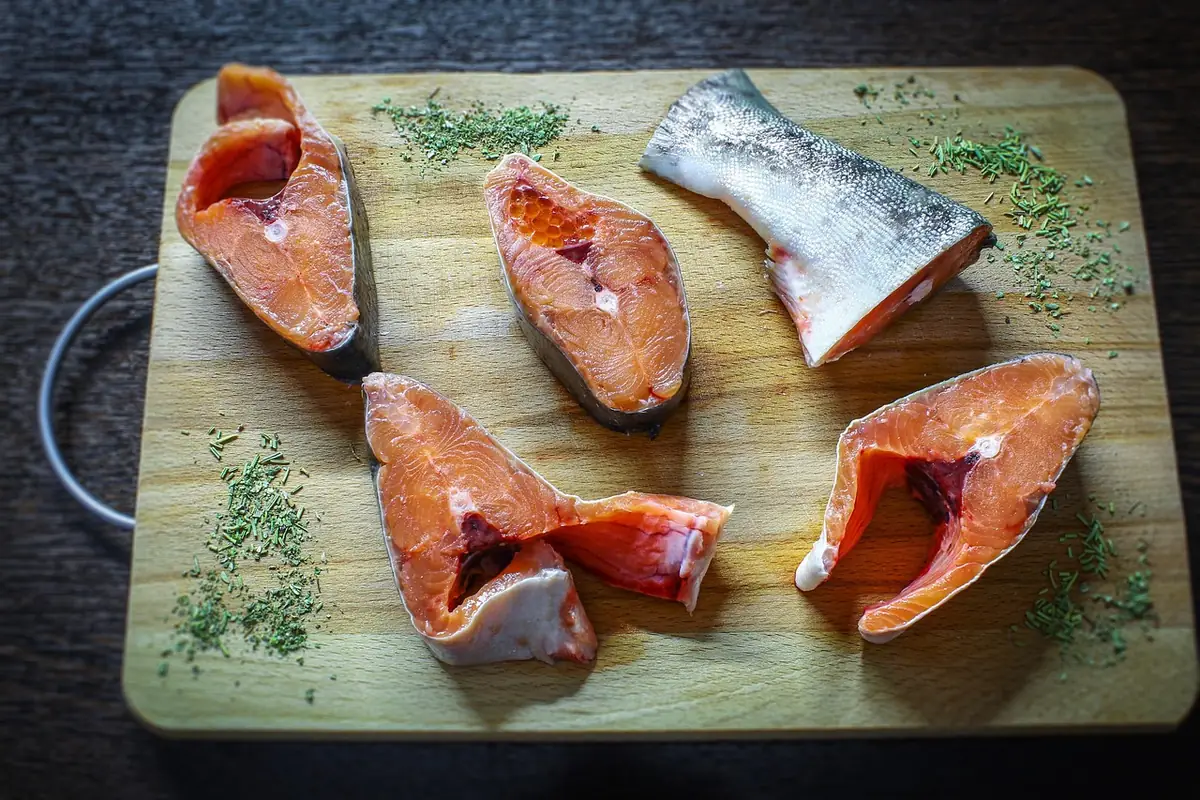
| Center-cut fillet | Thick and even, 1 to 1½ inches (2.5 to 4 cm) | Bake, pan-sear or grill |
| Tail piece | Thin and tapered, ½ to ¾ inch (1.3 to 2 cm) | Air fry or broil; start checking early |
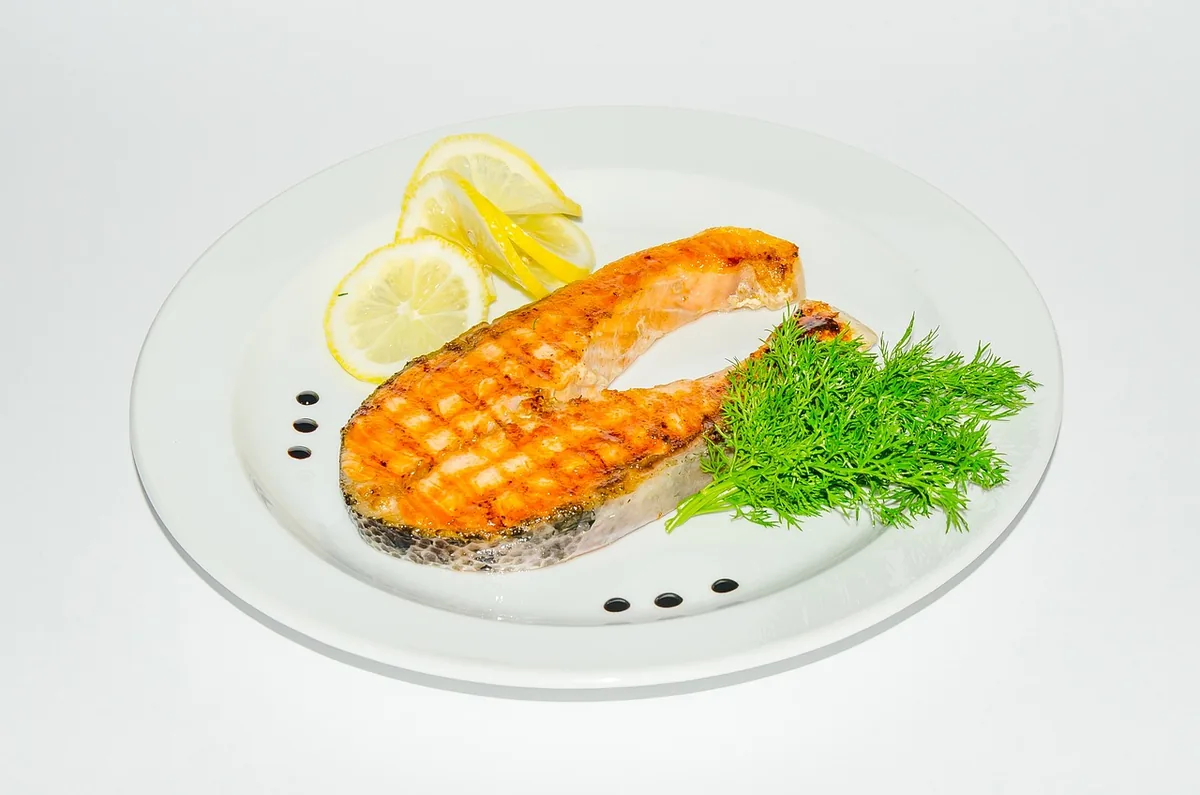
| Salmon steak | A bone-in cross-section about 1 inch thick | Grill or broil, flipping once |
| Whole side | 2 to 3 lb (0.9 to 1.4 kg) in one piece | Bake at 400°F (200°C) for 15 to 20 minutes; the easiest way to cook salmon for a crowd |
| Frozen portions | Individually vacuum-sealed fillets | Any method, thawed in the fridge first |
- Freshness check: the flesh should look moist and firm, spring back when pressed and smell mild, as the FDA seafood buying guide describes.
- Eating it raw? That’s a different purchase. Read our sushi grade salmon guide first.
Five Seasoning Blends for Any Method
Once you know how to cook salmon, the seasoning is where you can change dinner every night. Each blend covers four 6-ounce (170 g) fillets brushed with 1 tablespoon (15 ml) oil.
- Lemon dill: 1 teaspoon lemon zest, 1 teaspoon dried dill, 1 teaspoon kosher salt and ½ teaspoon black pepper.
- Smoky paprika: 1 teaspoon smoked paprika, ½ teaspoon garlic powder, ½ teaspoon brown sugar and 1 teaspoon kosher salt.
- Cajun: 2 teaspoons Cajun seasoning. If the blend already contains salt, add only ¼ teaspoon more.
- Soy ginger glaze: 2 tablespoons low-sodium soy sauce, 1 tablespoon honey and 1 teaspoon grated fresh ginger, brushed on in the last 3 to 5 minutes.
- Garlic herb butter: 2 tablespoons softened butter mashed with 1 tablespoon chopped parsley and 1 small grated garlic clove, spooned over the hot fish.
Dry rubs suit all six ways to cook salmon. When cooking salmon in a skillet, season with the dry rub only and add a glaze off the heat.
Cooking salmon for meal prep? Cook a few extra fillets with the lemon dill blend, and flake leftovers into our salmon patty recipe later in the week. It’s an easy way to cook salmon once and eat it twice.
How to Cook Salmon: FAQs
What is the best way to cook salmon?
For most people, baking at 400°F (200°C) for 12 to 15 minutes per inch is the easiest and most reliable. Pan-searing gives the crispiest skin, and grilling gives the most flavor.
Should I cook salmon skin side up or down?
Skin side down for baking, broiling, air frying and pan-searing. The skin protects the flesh from direct heat and crisps up. On the grill, start flesh side down for marks, then finish on the skin.
How long does it take to cook salmon at 400°F?
A 1-inch-thick fillet takes about 12 to 15 minutes in a 400°F (200°C) oven to reach 145°F (63°C). Thinner wild fillets may need only 8 to 10 minutes.
How do you know when salmon is done?
The thickest part reads 145°F (63°C) for the USDA guideline, or 125°F to 130°F for a moister medium. Without a thermometer, twist a fork in the center: done salmon is opaque and flakes easily.
Do you flip salmon when cooking it?
Only when pan-searing or grilling, and only once. Baked, broiled, air-fried and poached salmon cook through without flipping, which also keeps the fillets in one piece.
Can you cook salmon from frozen?
Yes. Rinse off any ice, pat dry and bake at 425°F (220°C) for about 18 to 22 minutes for a 1-inch fillet, or air fry at 390°F for 12 to 15 minutes, seasoning after the first 5 minutes. Check that it reaches 145°F.


