

Blog
Miso Glazed Salmon Recipe (Sweet and Savory)

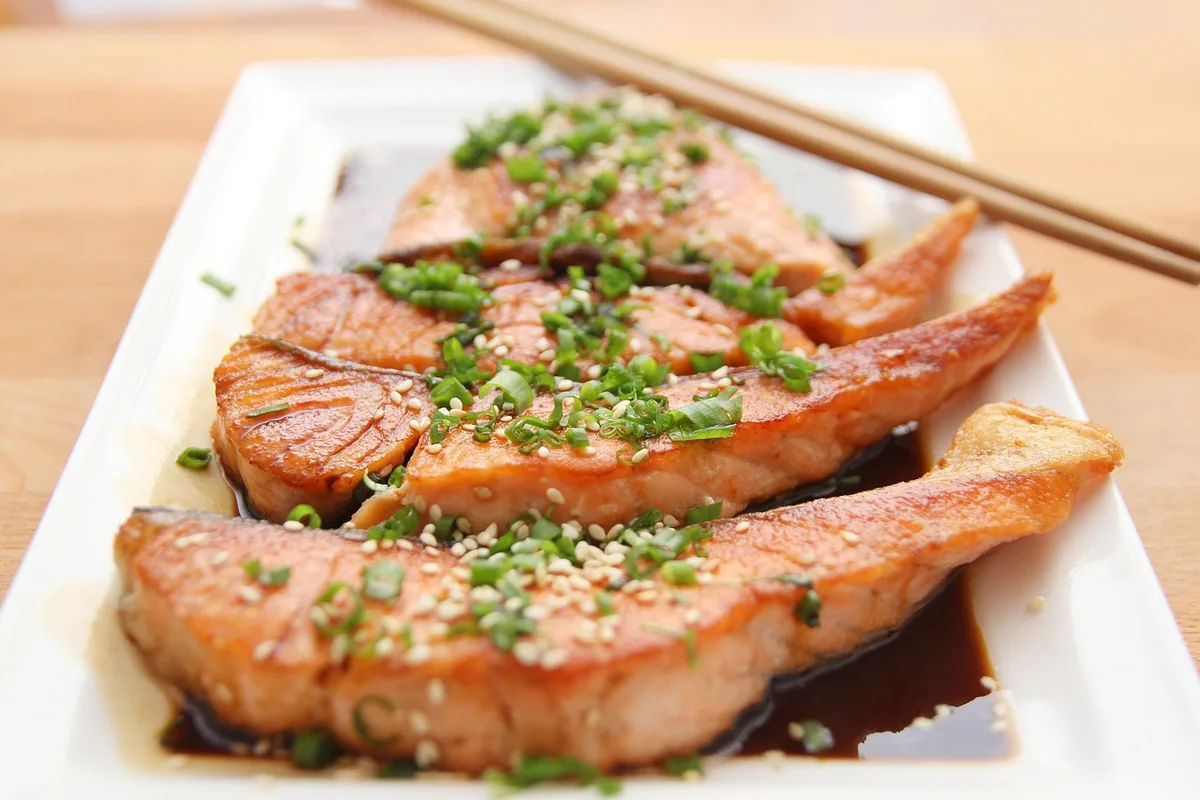
This miso salmon recipe gives you glossy, caramelized, sweet-and-savory fillets in about 20 minutes. A simple glaze of white miso, maple syrup, soy sauce, mirin, ginger and a little sesame oil coats the salmon, which bakes until just flaky and then goes under the broiler for a minute or two, until the top bubbles and turns a deep golden brown. It tastes like a restaurant dish, but it’s one of the easiest salmon dinners you can make.
Below you’ll find the ingredients, what miso to buy, step-by-step instructions, the right internal temperature, tips, variations, what to serve and storage. The printable recipe card is at the bottom.
Why You’ll Love This Miso Glazed Salmon
- Big flavor, 6 pantry ingredients in the glaze.
- About 20 minutes from fridge to table.
- Hard to dry out. The miso glaze seasons the fish and protects the surface.
- Healthy and filling with rice and greens.
What Is Miso?
Miso is a Japanese fermented paste made from soybeans (often with rice or barley), salt and a mold culture called koji. It’s salty, savory and slightly sweet, and it caramelizes beautifully under heat.
- White (shiro) miso: mild and slightly sweet. The best choice for this recipe.
- Yellow miso: a little stronger; also great here.
- Red miso: aged longer and much saltier and stronger. Use about half as much, plus a little extra maple syrup.
Look for it in the refrigerated section near the tofu. Once opened, it keeps for months in the fridge.
Ingredients You Need
- Salmon fillets, 4 (about 6 oz / 170 g each), skin on or off, about 1 inch thick.
- White miso paste, 3 tablespoons.
- Maple syrup or honey, 1½ tablespoons.
- Low-sodium soy sauce, 1 tablespoon.
- Mirin, 1 tablespoon (or 1 tablespoon water plus 1 teaspoon sugar).
- Rice vinegar, 1 teaspoon.
- Toasted sesame oil, 1 teaspoon.
- Fresh ginger, 1 teaspoon, finely grated, and garlic, 1 small clove, grated.
- To serve: sliced green onions, toasted sesame seeds and lime or lemon wedges.
No salt is needed; the miso and soy sauce are salty enough.
Equipment You Need
- A rimmed baking sheet lined with foil (lightly oiled) or parchment. Parchment can scorch under the broiler, so switch to foil if you’ll broil.
- A small bowl and a pastry brush or spoon.
- An instant-read thermometer.
How to Make Miso Salmon (Step by Step)
1. Make the glaze
Whisk the miso, maple syrup, soy sauce, mirin, rice vinegar, sesame oil, ginger and garlic until smooth.
2. Coat the salmon
Pat the fillets dry. Place them on the lined sheet, skin side down, and spread the glaze over the tops and sides. For deeper flavor, let them sit in the fridge for 15 to 30 minutes (up to 1 hour). Don’t marinate overnight; the salt in the miso firms up the texture.
3. Bake
Heat the oven to 400°F (200°C). Bake the salmon on the middle rack for 8 to 11 minutes, until it’s almost cooked through.
4. Broil
Switch the oven to broil (high) and move the pan so the salmon is about 6 inches from the heat. Broil for 1 to 3 minutes, watching closely, until the glaze bubbles and turns deep golden with a few dark spots. Miso and maple burn quickly.
5. Check and serve
The salmon is done when it flakes easily and reaches 145°F (63°C) in the thickest part (see below). Sprinkle with green onions and sesame seeds and serve with lime or lemon wedges.
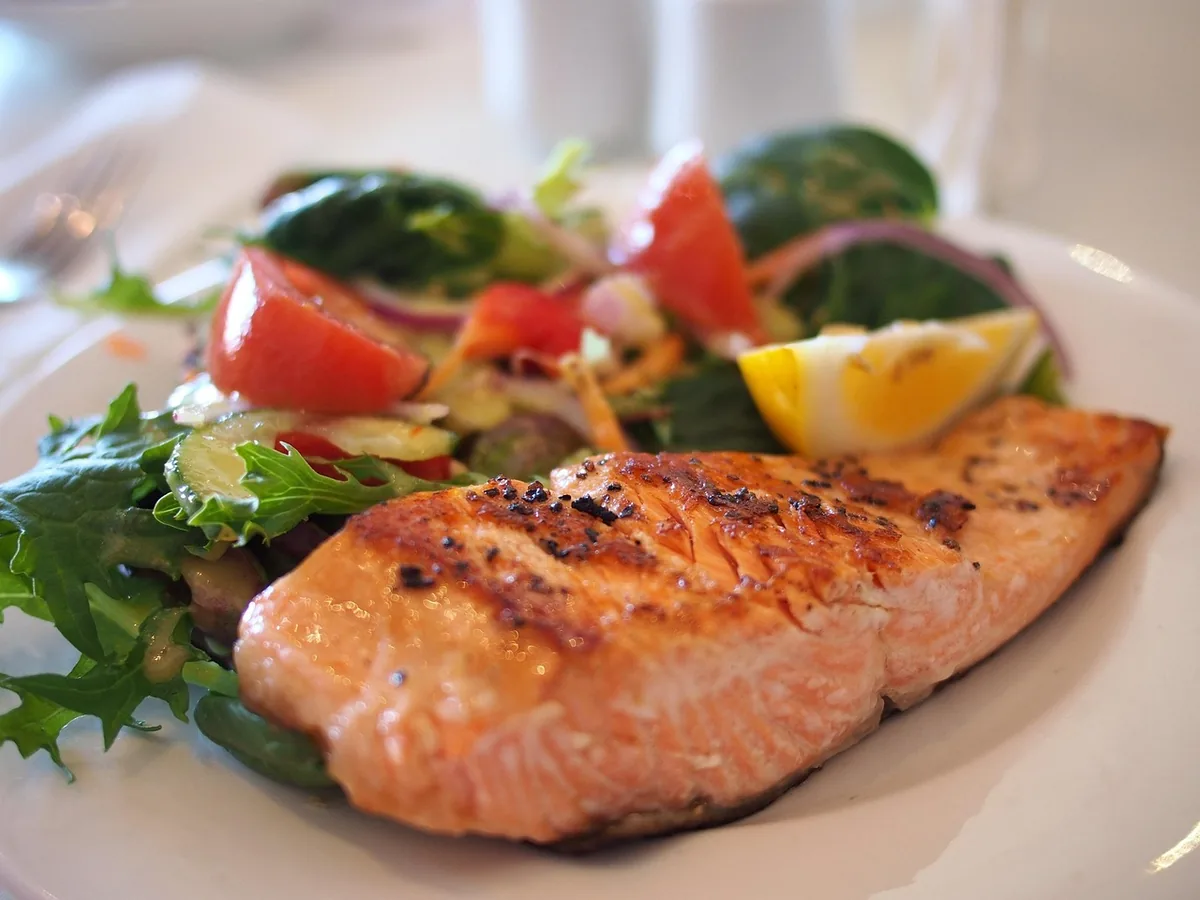
Miso Salmon Recipe Doneness and Temperature
Fish is fully cooked to the food-safety guideline at 145°F (63°C), when the flesh is opaque and separates easily with a fork, per the FoodSafety.gov safe minimum temperature chart. Many cooks take salmon out at 125°F to 130°F for a moist, medium center; cook it to 145°F for anyone pregnant, young children, older adults and people with weakened immune systems. Our salmon internal temp guide explains each stage.
| Salmon | Bake at 400°F | Then broil |
|---|---|---|
| Thin fillets, ¾ inch | 6 to 8 minutes | 1 to 2 minutes |
| Standard fillets, 1 inch | 8 to 11 minutes | 1 to 3 minutes |
| Thick fillets, 1½ inches | 12 to 15 minutes | 1 to 3 minutes |
Tips for the Best Miso Glazed Salmon
- Use white miso for a sweet, mellow glaze. Red miso can taste harsh and salty here.
- Keep the glaze thick. A runny glaze slides off and burns on the pan.
- Stay by the oven when broiling. The difference between caramelized and burnt is about 30 seconds.
- Buy fillets of equal thickness so they finish together.
- Line the pan with oiled foil. The sugary glaze sticks hard to a bare pan.
- Season the side dishes lightly. The glaze is salty, so rice and vegetables need little extra salt.
Easy Variations
- Spicy miso: add 1 teaspoon sriracha or gochujang to the glaze.
- Miso butter salmon: stir 1 tablespoon melted butter into the glaze for a richer, rounder flavor.
- Air fryer miso salmon: air fry at 390°F for 7 to 9 minutes; no broiling needed. See our air fryer salmon for times by thickness.
- Pan-seared: sear the fillets skin side down for 4 minutes, flip, brush with glaze, and finish in a 400°F oven for 4 to 6 minutes.
- Miso cod or chicken: the same glaze works on black cod, halibut or boneless chicken thighs (cook chicken to 165°F).
Miso Salmon Rice Bowls (Meal Prep)
This miso salmon recipe makes excellent rice bowls. Cook a double batch of fillets, cool them and flake them into large pieces. Divide steamed rice among containers and top with the miso salmon, shredded cabbage, sliced cucumber, shelled edamame and a few slices of avocado added just before eating. Drizzle with a simple sauce of 2 tablespoons mayonnaise, 1 teaspoon sriracha and 1 teaspoon lime juice, or with extra glaze that never touched the raw fish. Keep the bowls in the fridge for up to 3 days and eat them cold or warmed gently in the microwave at 50% power.
Miso Salmon vs Teriyaki Salmon
Both are sweet-savory Japanese-style glazes, but they taste different. Teriyaki is soy sauce, mirin and sugar cooked into a shiny sauce; it’s sweeter and lighter. Miso salmon gets its deep, nutty, almost cheesy savoriness from fermented soybean paste, and the glaze caramelizes in patches under the broiler. If you like both, try our honey garlic and teriyaki ideas in our salmon dinner roundup, then come back to this miso salmon for a richer, more savory night.
What to Serve With Miso Salmon
- Steamed jasmine or short-grain rice, or brown rice
- Sautéed bok choy, broccoli or green beans with garlic
- A quick cucumber salad with rice vinegar and sesame
- Edamame or a simple miso soup
Looking for more ideas? Browse our salmon dinner ideas or read our guide to wild caught vs farmed salmon before you shop. For another easy dinner, try our smoked chicken thighs, or browse all our salmon recipes.
Is Miso Salmon Healthy?
Yes. Salmon is rich in protein and omega-3 fats, and it’s on the FDA’s “Best Choices” list for low mercury in its advice about eating fish. The glaze adds about 50 calories per fillet. Miso is salty, so if you’re watching sodium, use reduced-sodium soy sauce (or skip it) and keep the glaze to a thin layer.
How to Store and Reheat
- Refrigerate cooked salmon within 2 hours in an airtight container for 3 to 4 days.
- Reheat gently in a 275°F (135°C) oven, covered, for 10 to 15 minutes, until hot (165°F / 74°C). Or eat it cold, flaked over rice bowls and salads.
- Freeze cooked salmon for up to 3 months; the texture softens a little.
- Leftover glaze that hasn’t touched raw fish keeps in the fridge for 1 week.
These times follow the FoodSafety.gov cold food storage chart.
Choosing Fillets for a Miso Salmon Recipe
A sweet, salty glaze is forgiving, but the fish underneath still decides how juicy dinner turns out. Fat content matters most. Fattier fillets stay moist through the final broil, while lean ones go from tender to dry in a minute or two. Use this table at the fish counter.
| Type | Fat level | Typical thickness | How it behaves under the glaze |
|---|---|---|---|
| Farmed Atlantic | High | 1 to 1¼ inches (2.5–3 cm) | The most forgiving; stays moist even if you broil a little long |
| King (Chinook) | Very high | 1¼ to 1½ inches (3–4 cm) | Rich and buttery; give it the longer end of the bake time |
| Coho | Medium | ¾ to 1 inch (2–2.5 cm) | Milder; start checking 2 minutes early |
| Sockeye | Low | About ¾ inch (2 cm) | Deep red and lean; pull it at the low end of the temperature range |
| Steelhead or arctic char | Medium to high | ¾ to 1 inch (2–2.5 cm) | A close stand-in that takes the glaze well |
Center-cut, tail or one large side?
- Center-cut portions are even in thickness, so four pieces finish at the same time. They cost a little more, but they suit a glaze that has to be watched closely.
- Tail pieces taper to a thin end that overcooks. Fold the thin end under itself before glazing so the piece is roughly even.
- A whole side of about 1½ to 2 lb (680–900 g) looks great on a platter. Bake it at 400°F (200°C) for 14 to 18 minutes, then broil as usual.
- Skin on or off: skin holds a fillet together and lifts off the foil easily after cooking, so leave it on if you can.
Fresh or frozen
Frozen fillets are often frozen within hours of the catch, so they can be as good as “fresh” fish that has spent days on ice. Fresh fish should smell mild and clean, not sour or strongly fishy, and the flesh should spring back when pressed. The FDA’s guide to selecting fresh and frozen seafood covers what to look for.
Thaw frozen fillets overnight in the fridge. For a faster thaw, seal them in a zip-top bag and submerge it in cold water for 30 to 60 minutes, changing the water every 30 minutes. Pat the fish very dry afterward, because surface water thins the glaze and makes it slide off. If you are shopping for raw dishes too, read what sushi-grade really means before you buy.
Glaze Swaps for Allergies and Pantry Gaps
The glaze is a balance of salt, sugar, acid and fat. When you swap one ingredient, keep that balance and the glaze still caramelizes properly.
| Need | Swap | What changes |
|---|---|---|
| Gluten-free | Tamari for the soy sauce, and a rice-only white miso | Same flavor; check the miso label, because barley miso (mugi) contains gluten |
| Soy-free | Chickpea miso, plus coconut aminos for the soy sauce | Sweeter and milder; cut the maple syrup to 1 tablespoon |
| Sesame-free | 1 teaspoon neutral oil; skip the seeds | Less nutty aroma; add a few extra green onions |
| No fresh ginger | ¼ teaspoon ground ginger | Warmer and less bright |
| No rice vinegar | 1 teaspoon lime juice | Slightly fruitier finish |
| Lower sugar | 2 teaspoons maple syrup instead of 1½ tablespoons | Browns less; broil about 30 seconds longer |
Miso keeps for months in the fridge, so a tub bought for this dish can go into soups, salad dressings and roasted vegetables. Press plastic wrap onto its surface after opening to stop it drying out and darkening.
Why the Glaze Caramelizes (and Why It Burns)
Miso is rich in free amino acids and natural sugars produced during fermentation. Add maple syrup and mirin, and you have a lot of sugar sitting next to a lot of protein. Under the broiler, those two react quickly (the Maillard reaction), which is why the glaze turns deep brown in a minute or two and tastes savory, nutty and a little like toffee.
The same speed is the risk. Sugar starts to scorch only moments after it browns, and the thin edges of the glaze go first. The fixes below handle the most common problems.
| Problem | Likely cause | Fix |
|---|---|---|
| Glaze black before the fish is cooked | Broiled from raw, or rack too close | Bake first, then broil 6 inches (15 cm) from the heat for the last 1 to 3 minutes |
| White beads on the surface | Albumin, a protein pushed out by high heat | Harmless; cook gently and avoid going far past 145°F (63°C) |
| Glaze slid off into the pan | Wet fish or a thin glaze | Pat the fillets dry; whisk in an extra ½ tablespoon miso |
| Too salty | Red miso or regular soy sauce | Use white miso and low-sodium soy; spread a thinner layer |
| Skin stuck to the pan | Bare foil or dripped glaze | Oil the foil; slide a thin spatula between skin and flesh and leave the skin behind |
| Dry, chalky fish | Lean type, thin cut or long broil | Check the temperature 2 minutes early; serve with extra glaze that never touched raw fish |
Scaling Up and Using the Leftovers
Cooking for 2 or for 8
- 2 fillets: halve the glaze and use a quarter sheet pan or a small baking dish. Timing does not change, because thickness sets the time, not the number of pieces.
- 8 fillets: double the glaze and use two lined sheet pans. Bake them on the upper and lower racks, swap them halfway, then broil one pan at a time.
- A crowd: two whole sides on two sheet pans feed 10 to 12. Make 1½ times the glaze for each side.
Three quick leftover meals
Refrigerate leftover miso salmon within 2 hours and use it within 3 to 4 days. Reheat to 165°F (74°C) if you want it hot, or use it cold in these:
- Miso fried rice (2 servings): stir-fry 2 cups (370 g) cold cooked rice in 1 tablespoon oil for 3 minutes. Add ½ cup (70 g) frozen peas, 2 sliced green onions and 1 cup flaked fish. Push to one side, scramble 2 eggs in the space, then toss everything with 1 teaspoon soy sauce.
- Lettuce cups (2 servings): mix 1 cup flaked fish with 2 tablespoons mayonnaise, ½ teaspoon sriracha and ½ cup shredded carrot. Spoon into 6 butter lettuce leaves and top with sesame seeds.
- Cold soba salad (2 servings): toss 4 oz (113 g) cooked, rinsed soba with ½ sliced cucumber, 1 cup flaked fish, 1 tablespoon rice vinegar, 1 teaspoon sesame oil and 1 teaspoon honey.
Leftovers also make good fish patties: replace about a third of the canned fish in that recipe with flaked glazed fillet and leave out any added salt. For another fast weeknight plate, try this 30-minute rice dinner.
Miso Salmon FAQs
What does miso salmon taste like?
Savory, slightly sweet and deeply caramelized, with a rich umami flavor from the miso and a little warmth from ginger.
Can I use red miso?
Yes, but use about 1½ tablespoons and add a little more maple syrup, since red miso is saltier and stronger.
Should I cook miso salmon skin side up or down?
Skin side down, with the glaze on top, so the glaze caramelizes under the broiler.
Why did my miso glaze burn?
It was too close to the broiler or left too long. Broil about 6 inches from the heat and check every 30 seconds.
Can I make miso salmon ahead?
Mix the glaze up to 1 week ahead. Coat the salmon no more than an hour before cooking.
Miso Salmon Recipe Card
Calories are an estimate per fillet based on USDA FoodData Central values for raw farmed Atlantic salmon, miso, maple syrup and sesame oil.

Miso Glazed Salmon
Ingredients
Equipment
Method
- Whisk the miso, maple syrup, soy sauce, mirin, rice vinegar, sesame oil, ginger and garlic.
- Pat the salmon dry, place skin side down on a foil-lined, oiled baking sheet and spread the glaze over the tops and sides. Rest 15 to 30 minutes in the fridge if you have time.
- Bake at 400°F (200°C) for 8 to 11 minutes, until almost cooked through.
- Broil on high about 6 inches from the heat for 1 to 3 minutes, watching closely, until caramelized.
- Check that the thickest part reaches 145°F (63°C) and flakes easily. Garnish and serve.


