

Blog
Lemon Dill Sauce for Salmon (5-Minute Creamy Sauce, Plus a Warm Pan Version)

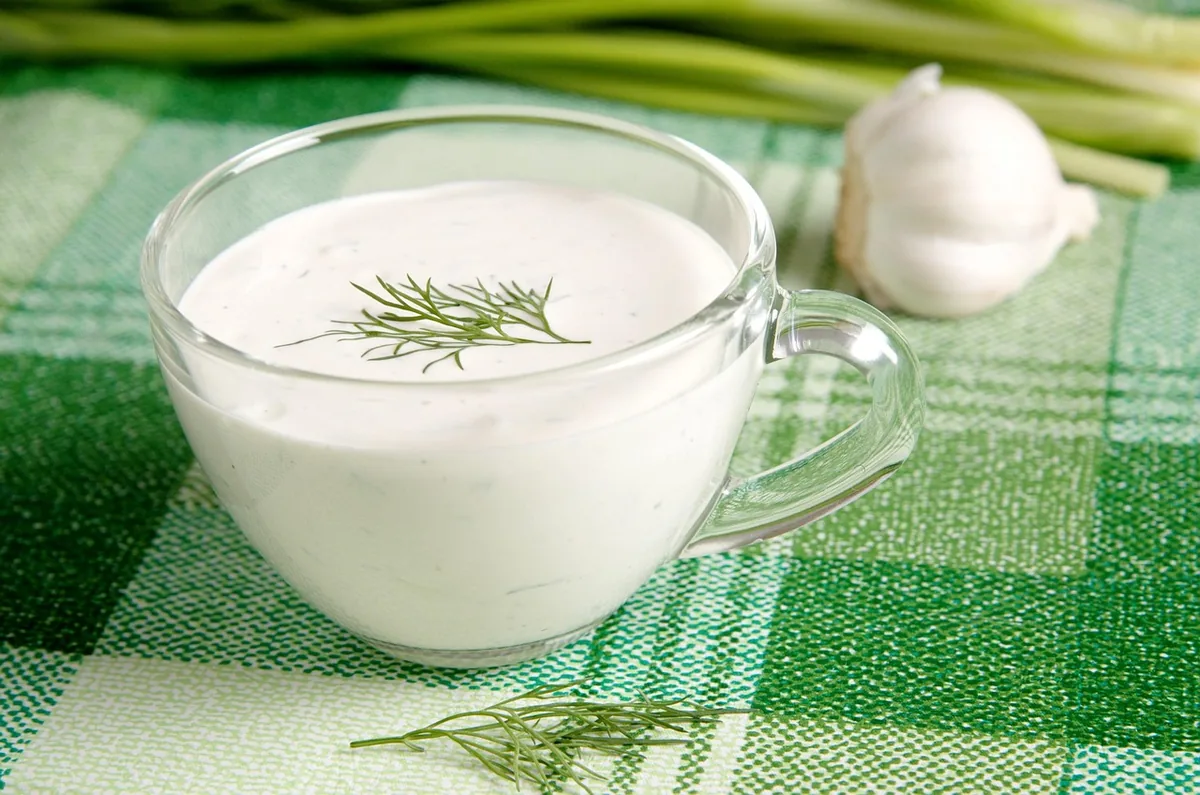
This lemon dill sauce for salmon is a cool, creamy, tangy sauce you stir together in one bowl in 5 minutes: sour cream or Greek yogurt, a little mayonnaise, a big handful of fresh dill, lemon zest and juice, garlic, salt and pepper. It makes about 1 cup, enough for 8 servings of 2 tablespoons, and it works on baked, grilled, pan-seared, air-fried or poached fish, hot or chilled.
Below you’ll find the ingredients and swaps, the 5-minute method, a warm lemon dill cream sauce for salmon you can make in the same skillet as the fish, a table of 6 more sauces with exact amounts, fresh vs. dried dill, which sauce suits each cooking method, storage, serving ideas and a troubleshooting table. The printable recipe card is at the bottom.
Why This Lemon Dill Sauce for Salmon Works
Salmon is a rich, oily fish. A good sauce for salmon needs to cut through that richness without hiding the flavor of the fish. A cold, creamy dill sauce for salmon with plenty of acid and fresh herbs does exactly that, and salmon with dill sauce is the classic Scandinavian pairing for a reason.
- Tang balances fat: sour cream and lemon juice bring acidity that makes each bite of salmon taste lighter.
- Mayo adds body: just ¼ cup gives the sauce a smooth, spoonable texture so it clings to the fish instead of running off.
- Dill is the natural partner: its fresh, slightly grassy, faintly anise flavor is the herb most often served with salmon, from gravlax to poached sides.
- Zest and juice both: the zest gives lemon aroma, while the juice gives sharpness. Using both gives a rounder lemon flavor than juice alone.
- No cooking: nothing to curdle, nothing to watch on the stove.
Because the base is cold, this dill sauce for salmon also doubles as a dip, a sandwich spread and a dressing for cucumber salad, so a single batch goes a long way through the week.
Ingredients and Easy Swaps
These amounts make about 1 cup (240 ml) of lemon dill sauce for salmon, all from regular grocery-store ingredients.
- Sour cream, ½ cup (120 g), full-fat for the creamiest texture. Plain full-fat Greek yogurt works too.
- Mayonnaise, ¼ cup (55 g), any good-quality real mayo.
- Fresh dill, 3 tablespoons chopped (about 6 g), fronds and thin stems only. Or 1 tablespoon dried dill.
- Lemon zest, 1 teaspoon, from about half a lemon. Zest before you juice.
- Lemon juice, 2 tablespoons (30 ml), freshly squeezed, from 1 medium lemon.
- Garlic, 1 small clove, grated on a microplane or minced very finely.
- Diamond Crystal kosher salt, ½ teaspoon (or ¼ teaspoon table salt) and black pepper, ⅛ teaspoon.
| Ingredient | Swap | What changes |
|---|---|---|
| Sour cream | Plain full-fat Greek yogurt | Thicker and tangier, with more protein and fewer calories |
| Sour cream | Crème fraîche | Richer, milder and silkier |
| Mayonnaise | More sour cream or yogurt | Lighter and tangier, a little thinner |
| Garlic | 1 tablespoon minced shallot or chives | Softer, sweeter onion flavor |
| Lemon juice | 1 tablespoon white wine vinegar | Sharper, less fruity |
| Extras | 1 teaspoon Dijon mustard, 1 tablespoon capers or a pinch of cayenne | More savory, briny or a little heat |
For a dairy-free dill sauce for salmon, use a plain unsweetened coconut or cashew yogurt with the mayo. It won’t be quite as tangy, so add an extra teaspoon of lemon juice.
How to Make Lemon Dill Sauce for Salmon
You need one small bowl, a spoon, a zester and a sharp knife. Making this sauce for salmon takes about 5 minutes from start to finish.
- Prep the dill. Rinse and dry it well; wet dill waters down the sauce. Pull the feathery fronds off the thick stems and chop them finely until you have 3 tablespoons.
- Zest, then juice. Zest half the lemon straight into the bowl, then squeeze in 2 tablespoons of juice and catch any seeds.
- Add the garlic and salt. Grate the garlic into the lemon juice with the salt and let it sit for 1 minute. The acid softens the raw garlic bite.
- Stir in the base. Add the sour cream and mayonnaise and stir until smooth.
- Fold in the dill. Add the dill and pepper and stir again.
- Taste and adjust. Add a pinch more salt, a squeeze more lemon or a spoonful of water to thin it if you’ll drizzle it.
- Rest if you can. Chill for 15 to 30 minutes so the dill and garlic flavor the whole sauce. You can serve it right away too.
The finished dill sauce for salmon should be thick enough to hold a soft mound on a spoon, but loose enough to spread. For a drizzle, thin it with 1 to 2 teaspoons of water or milk at a time.
Tips for the best flavor
- Chop the dill, don’t mince it to paste. Small pieces stay bright green.
- Grate the garlic. A microplane melts it into the sauce, so nobody bites into a raw chunk.
- Use full-fat dairy. Low-fat sour cream and nonfat yogurt turn watery and taste sharper.
- Season it a little more than you think. Cold food tastes less salty, and the sauce sits next to unsalted bites of fish.
Fresh vs. Dried Dill
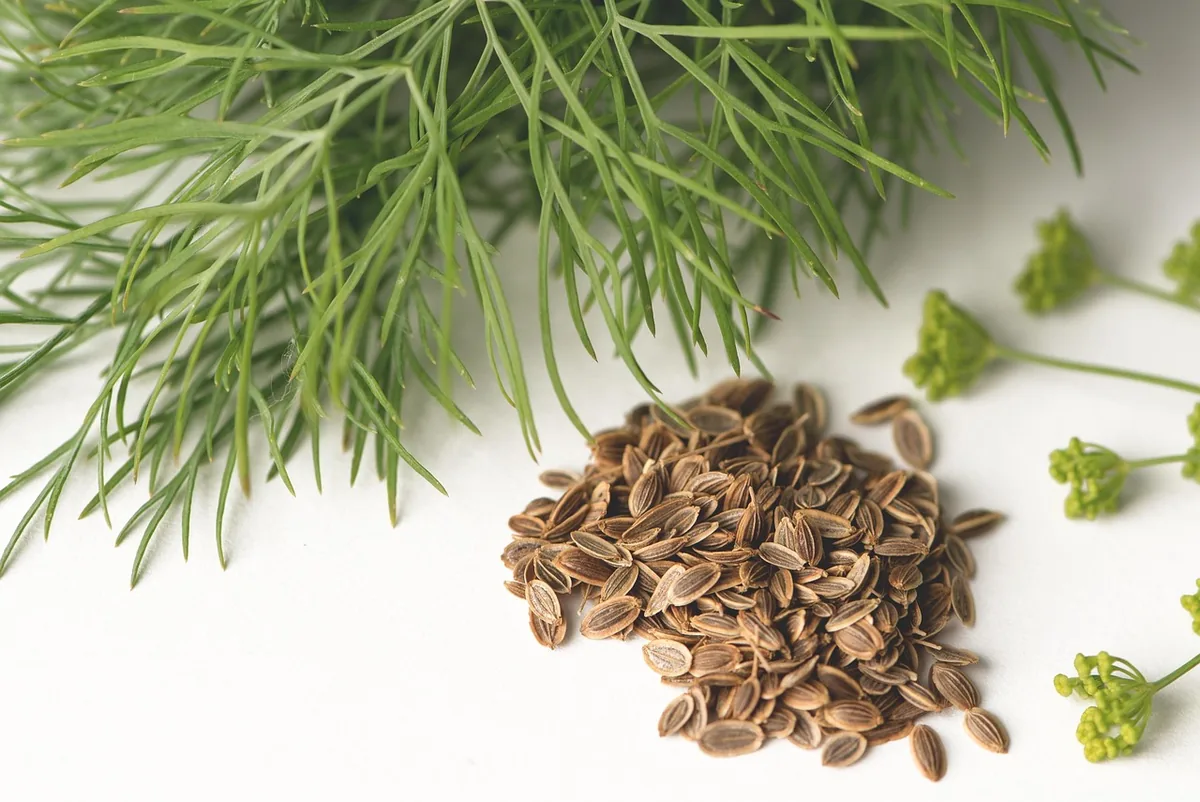
Fresh dill gives the best result in a cold dill sauce for salmon, because its delicate, grassy flavor is the whole point. Dried dill (sold as dill weed) works when the fresh herb is out of season. Use less of it, since drying concentrates the flavor.
| Fresh dill | Dried dill weed | |
|---|---|---|
| Amount for this recipe | 3 tablespoons chopped | 1 tablespoon |
| Ratio | 1 tablespoon fresh | = about 1 teaspoon dried |
| Flavor | Bright, grassy, lightly sweet | Milder, more hay-like |
| Best use | Cold sauces, garnish, finishing a warm sauce | Rubs and warm sauces, cold sauces in a pinch |
| Rest time | Ready right away; better after 15 minutes | Let the sauce sit at least 30 minutes to rehydrate |
- Don’t swap in dill seed. It tastes stronger and more like caraway. It’s great in pickles but not in a lemon dill sauce for salmon.
- Keep fresh dill longer: wrap the bunch loosely in a damp paper towel inside a bag, or stand it in a glass of water in the fridge. It keeps about a week.
- Freeze leftovers: chopped fresh dill freezes well in a small bag and goes straight into sauces without thawing.
Warm Lemon Dill Cream Sauce (Made in the Pan)
When you want a hot, silky sauce instead of a cold one, make this lemon dill cream sauce for salmon in the skillet you just cooked the fillets in. It takes about 8 minutes and makes about 1 cup, enough for 4 fillets.
Ingredients
- Unsalted butter, 2 tablespoons (28 g).
- Garlic, 2 cloves, minced.
- Dry white wine or low-sodium chicken broth, ¼ cup (60 ml), optional but good for lifting the browned bits.
- Heavy cream, 1 cup (240 ml), or half-and-half for a lighter sauce.
- Fresh dill, 2 tablespoons chopped (or 2 teaspoons dried, added with the cream).
- Lemon zest, 1 teaspoon, and lemon juice, 1 to 2 tablespoons.
- Salt, ¼ teaspoon, and black pepper, to taste.
Method
- Move the cooked salmon to a plate. Pour off all but a thin film of fat and lower the heat to medium-low.
- Melt the butter, add the garlic and cook 30 to 60 seconds, until fragrant but not brown.
- Pour in the wine or broth and scrape up the browned bits. Simmer 1 to 2 minutes, until reduced by half.
- Add the cream and salt. Simmer gently, stirring, for 3 to 5 minutes, until it coats the back of a spoon. Half-and-half needs 5 to 6 minutes.
- Take the pan off the heat. Stir in the zest, then the lemon juice a tablespoon at a time, then the dill and pepper.
- Return the salmon to the pan, spoon the sauce over it and serve right away.
How to keep it from curdling
- Add the lemon off the heat. Acid plus boiling dairy is the main cause of a split sauce.
- Simmer, never boil hard. Small bubbles at the edge are enough.
- Heavy cream is the safest choice. Its higher fat keeps a cream sauce for salmon stable; half-and-half and milk split more easily.
- Rescue a split sauce by whisking in 1 to 2 tablespoons of cold cream off the heat.
6 More Easy Sauces for Salmon
If you want variety through the week, these six options give you a sauce for salmon in every style: sweet, savory, herby and creamy. Each makes enough for 4 fillets (about 1½ lb / 680 g).
| Sauce | Exact amounts | How to make it |
|---|---|---|
| Honey garlic | 3 tbsp honey, 2 tbsp soy sauce, 1 tbsp butter, 3 garlic cloves (minced), 1 tbsp lemon juice | Melt the butter, cook the garlic 30 seconds, add the rest and simmer 2 to 3 minutes until syrupy. Brush on during the last few minutes. |
| Mustard-dill | 3 tbsp Dijon, 1 tbsp whole-grain mustard, 2 tbsp honey, 1 tbsp white wine vinegar, 3 tbsp neutral oil, 2 tbsp chopped dill | Whisk the mustards, honey and vinegar, then whisk in the oil slowly; stir in the dill. The classic gravlax sauce. |
| Teriyaki | ¼ cup soy sauce, 2 tbsp mirin, 1 tbsp brown sugar, 1 tsp grated ginger, 1 garlic clove, 1 tsp cornstarch mixed with 1 tbsp water | Simmer everything but the slurry 2 minutes, stir in the slurry and cook 1 minute until glossy. |
| Chimichurri | 1 cup packed parsley, 1 tbsp fresh oregano (or 1 tsp dried), 3 garlic cloves, ½ cup olive oil, 2 tbsp red wine vinegar, ¼ tsp red pepper flakes, ½ tsp salt | Chop the herbs and garlic finely and stir in the rest. Rest 10 minutes. Spoon over grilled fish. |
| Lemon butter caper | 4 tbsp butter, ¼ cup broth or white wine, 2 tbsp lemon juice, 2 tbsp drained capers, 1 tbsp chopped parsley | Reduce the broth in the hot pan by half, take it off the heat and swirl in the butter, lemon, capers and parsley. |
| Creamy cucumber (tzatziki) | 1 cup full-fat Greek yogurt, ½ cup grated cucumber (squeezed dry), 1 garlic clove, 1 tbsp lemon juice, 1 tbsp chopped dill, 1 tbsp olive oil, ¼ tsp salt | Squeeze the cucumber in a towel, then stir everything together. Chill 15 minutes. |
For the full butter and caper version cooked with the fish, see this salmon piccata. If you’d rather build flavor before the sauce goes on, start with a homemade salmon seasoning rub. Mild seasoning lets any sauce for salmon shine.
Which Sauce Suits Each Cooking Method?
The way you cook the fish changes which sauce for salmon tastes best. Crisp, browned salmon loves a cool, creamy contrast, while gently cooked fish can carry a richer sauce.
| Cooking method | Best sauce | Why |
|---|---|---|
| Baked or roasted | Cold lemon dill, honey garlic | Mild, tender fish takes either a fresh or a glazy sauce |
| Pan-seared | Warm lemon dill cream, lemon butter caper | The pan sauce uses the browned bits left in the skillet |
| Grilled | Chimichurri, mustard-dill | Sharp, herby sauces stand up to smoke and char |
| Air-fried | Cold lemon dill, tzatziki | Cool and creamy against a crisp outside |
| Poached or steamed | Warm cream sauce, mustard-dill | Adds richness to a very lean-tasting fish |
| Broiled or glazed | Teriyaki, honey garlic | Sugars caramelize under high heat |
| Patties and croquettes | Cold lemon dill, tzatziki | Works like a tartar sauce for dipping |
The cold lemon dill sauce for salmon is especially good with air fryer salmon, which is ready in about 10 minutes, so dinner and sauce finish at the same time. It’s also the easy answer for salmon patties and crispy Southern salmon croquettes.
Serving Ideas and Other Uses
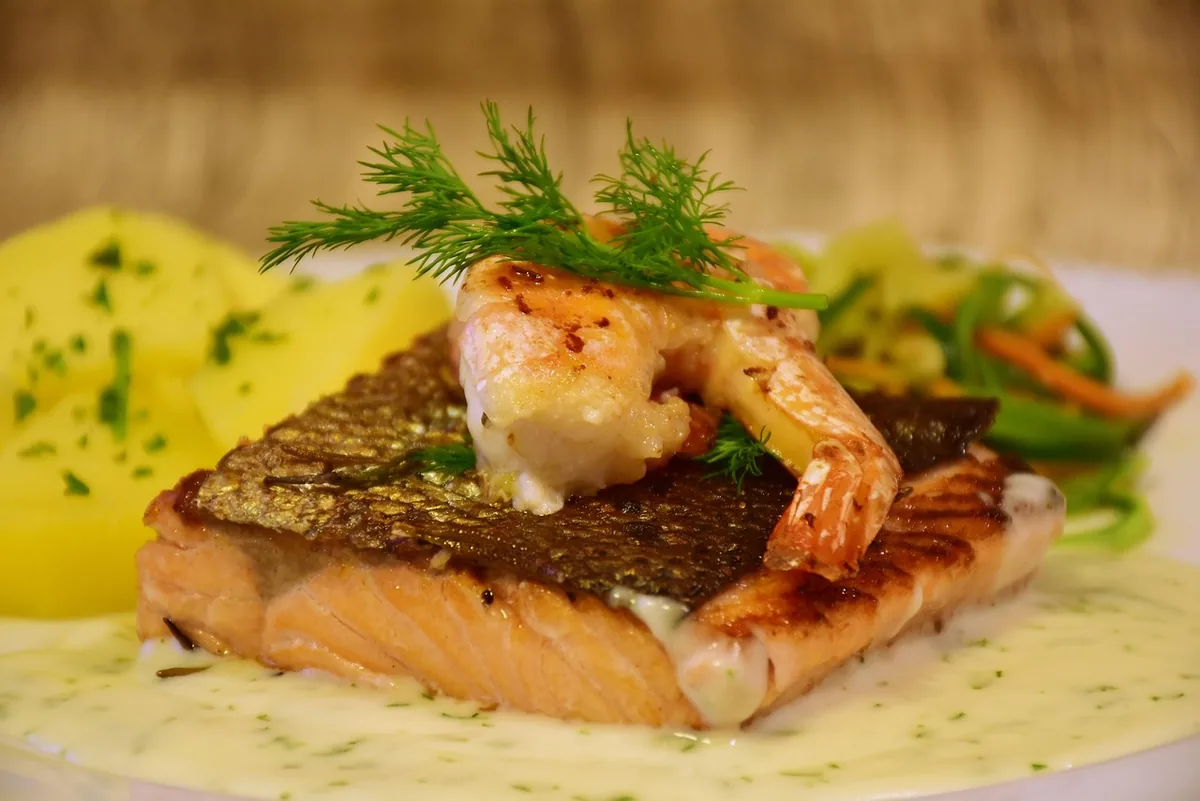
Cook the fish until the thickest part reaches 145°F (63°C), the safe minimum for fish on the FoodSafety.gov temperature chart, then spoon about 2 tablespoons of sauce over each fillet or serve it on the side. Salmon with dill sauce goes well with:
- Potatoes: boiled new potatoes, roasted baby potatoes or a baked potato with a spoonful of sauce instead of sour cream.
- Green vegetables: roasted asparagus, steamed green beans, peas or broccoli.
- Salads: a simple cucumber and tomato salad or mixed greens.
Other ways to use it
- Fish tacos: thin the sauce with a little lemon juice and drizzle it over flaked salmon or white fish with shredded cabbage.
- Cucumber salad: toss 1 sliced English cucumber and a few slices of red onion with ⅓ cup of sauce.
- Potato salad: use it as the dressing for 1½ lb (680 g) of boiled, cooled potatoes.
- Shrimp and other seafood: serve it as a dip with chilled shrimp or alongside these quick shrimp recipes.
Need a fillet for your dill sauce for salmon? Browse all our salmon recipes for baked, grilled, pan-seared and air-fried options.
Make Ahead and Storage
This cold lemon dill sauce for salmon is a great make-ahead. The flavor actually improves after a few hours in the fridge as the dill and garlic infuse the base.
- Make ahead: mix it up to 1 day before serving. Stir before using, since a little liquid may separate.
- Refrigerate: store leftover dill sauce for salmon in an airtight container for 3 to 4 days.
- Keep it cold: it’s a dairy sauce, so don’t leave it out at room temperature for more than 2 hours (1 hour above 90°F / 32°C), as advised on the FoodSafety.gov cold storage chart.
- Dill color: fresh dill darkens slightly after 2 days. Stir in a little more chopped dill before serving.
- Don’t freeze: sour cream, yogurt and mayo separate and turn grainy after thawing.
- Warm cream sauce: refrigerate within 2 hours and use within 3 days. Reheat gently over low heat with a splash of cream, stirring, and don’t let it boil.
| Sauce | Fridge | Freezer |
|---|---|---|
| Cold lemon dill sauce | 3 to 4 days | Not recommended |
| Warm lemon dill cream sauce | Up to 3 days | Not recommended |
| Honey garlic or teriyaki | Up to 1 week | Up to 3 months |
Troubleshooting Your Dill Sauce
Small problems with a dill sauce for salmon are easy to fix in a minute or two.
| Problem | Likely cause | Fix |
|---|---|---|
| Sauce is too thin | Wet dill, too much lemon juice or low-fat dairy | Stir in 1 to 2 tablespoons more sour cream, Greek yogurt or mayo |
| Sauce is too thick | Thick Greek yogurt | Thin with water, milk or lemon juice 1 teaspoon at a time |
| Too sour | Too much lemon, or a tangy yogurt | Add 1 tablespoon mayo or a pinch of sugar |
| Bland | Not enough salt or acid; served very cold | Add a pinch of salt and a squeeze of lemon; let it sit 10 minutes |
| Harsh garlic flavor | Large raw pieces or a big clove | Grate the garlic and rest it in the lemon juice first; use half a clove |
| Watery after storing | Natural separation of the dairy | Stir well or pour off the liquid |
| Warm sauce curdled | Lemon added over the heat, or it boiled | Off the heat, whisk in 1 to 2 tablespoons cold cream |
Frequently Asked Questions
What is the best sauce for salmon?
A creamy lemon dill sauce for salmon is the classic choice because the lemon and tangy dairy balance the fish’s richness. Honey garlic, teriyaki and chimichurri are good options when you want something sweeter or more herby.
What is dill sauce made of?
Most dill sauce for salmon is sour cream or Greek yogurt with a little mayonnaise, fresh chopped dill, lemon zest and juice, garlic, salt and pepper. Warm versions use butter, garlic and cream instead.
Can I use dried dill instead of fresh?
Yes. Use about 1 teaspoon of dried dill for every tablespoon of fresh, so 1 tablespoon for this recipe, and let the sauce rest at least 30 minutes so the dried herb softens and releases its flavor.
Can I make it with Greek yogurt only?
Yes. Use ¾ cup (180 g) full-fat Greek yogurt in place of the sour cream and mayo. It’s tangier and a little less rich, so taste it and add a pinch more salt or a teaspoon of olive oil.
How long does lemon dill sauce for salmon last?
The cold sauce keeps 3 to 4 days in an airtight container in the fridge. Don’t leave it out for more than 2 hours, and don’t freeze it, because the dairy separates.
Lemon Dill Sauce for Salmon Recipe Card
Calories are an estimate per serving (2 tablespoons) based on USDA FoodData Central values for full-fat sour cream, mayonnaise, lemon juice, garlic and fresh dill. Using Greek yogurt instead of sour cream lowers it slightly.

Lemon Dill Sauce for Salmon
Ingredients
Equipment
Method
- Rinse and dry the dill well, pull the fronds off the thick stems and chop them finely.
- Zest the lemon into a small bowl, then add the lemon juice, grated garlic and salt. Let it sit 1 minute to soften the garlic.
- Add the sour cream and mayonnaise and stir until smooth.
- Stir in the dill and pepper. Taste and add a pinch more salt or lemon, or 1 to 2 teaspoons of water to thin it for drizzling.
- Serve right away, or chill 15 to 30 minutes for a fuller flavor. Spoon about 2 tablespoons over each salmon fillet cooked to 145°F (63°C).


