

Blog
Sushi Grade Salmon: What It Means and Where to Buy It

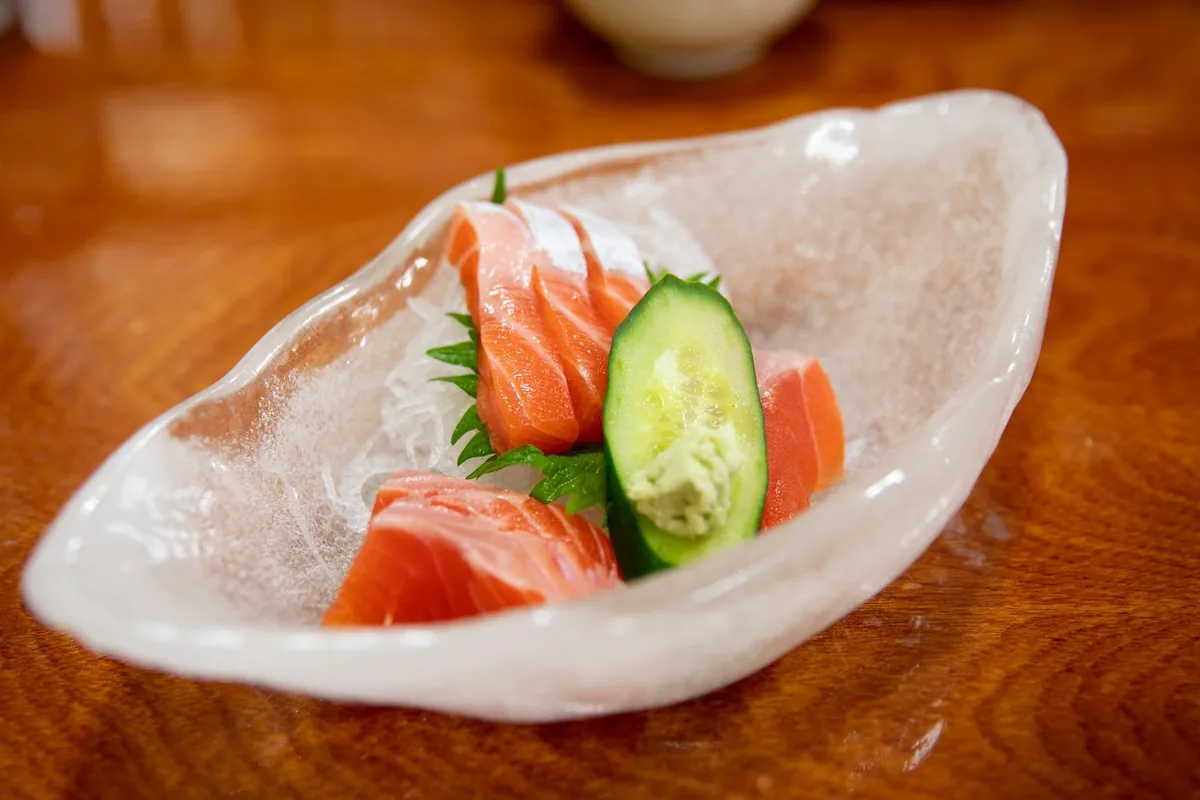
“Sushi grade salmon” sounds like an official stamp of approval, but it isn’t one. In the United States, there is no legal or government definition of sushi grade or sashimi grade. The label is the seller’s way of saying they believe the fish is suitable for eating raw. This guide explains what actually makes salmon safe to eat raw, how the FDA’s freezing guidance works, the difference between farmed and wild salmon, where to buy it, and who should skip raw fish altogether.
Quick Answer: What Is Sushi Grade Salmon?
Sushi grade salmon is salmon that a seller has chosen, handled and usually frozen with raw eating in mind. Because the term is not regulated, what matters is not the label but two things behind it:
- Parasite control. Wild salmon can carry parasites such as roundworms and tapeworms. Freezing the fish at very low temperatures for a set time kills them. Farmed salmon raised only on pelleted feed generally does not carry the same parasite risk.
- Freshness and handling. Fish meant for raw eating must be kept very cold and handled cleanly from the boat to your plate, because freezing does not kill bacteria.
So the question to ask is not “Is this sushi grade?” but “Was this fish frozen to kill parasites, or is it pellet-fed farmed salmon, and has it been handled for raw eating?”
Sushi Grade Salmon: The Simple Chart
| Type of salmon | Parasite risk | OK to eat raw? |
|---|---|---|
| Farmed Atlantic salmon raised on pelleted feed, sold for raw use | Low; FDA guidance does not treat it as a parasite hazard | Yes, if it is fresh and the seller says it is meant for raw eating |
| Wild salmon (sockeye, king, coho) that was frozen to FDA parasite-destruction standards | Parasites killed by freezing | Yes, if it is labeled or confirmed for raw use |
| Wild salmon that was never frozen | Can carry parasites | No. Cook it |
| Ordinary fillets from the seafood case with no raw-use label | Unknown | Not recommended. Cook to 145°F (63°C) |
If you are not sure which group your salmon belongs to, cook it. A well-seared or baked fillet is still a great dinner.
How Freezing Makes Salmon Safe for Raw Eating
The FDA’s seafood guidance for processors lists freezing conditions that are sufficient to kill parasites in fish:
- Freezing and storing at -4°F (-20°C) or below for 7 days in total, or
- Freezing at -31°F (-35°C) or below until solid, then storing at -31°F (-35°C) or below for 15 hours, or
- Freezing at -31°F (-35°C) or below until solid, then storing at -4°F (-20°C) or below for 24 hours.
Many states have adopted versions of the FDA Food Code, which sets similar freezing rules to restaurants and stores that serve or sell fish for raw eating.
Can you do this at home? Not reliably. Most home freezers are set to about 0°F (-18°C), which is warmer than -4°F (-20°C), and their temperature rises every time the door opens. Unless you have a freezer you have checked with a thermometer, do not count on home freezing to make wild salmon safe to eat raw.
Also remember that freezing kills parasites but not all harmful bacteria. That is why freshness and clean handling matter just as much.
Farmed vs Wild Salmon for Sushi
Much of the salmon served as sushi in the United States is farmed Atlantic salmon. FDA guidance notes that fish species which usually pick up parasites from the prey they eat do not appear to have the same parasite hazard when raised only on pelleted feed. Farmed fish that eat fresh fish or plankton can still carry parasites, though, and you can’t tell how a fish was fed by looking at it. Ask the seller.
Wild salmon, such as sockeye, king and coho, has a firmer texture and a deeper flavor that many people love in sashimi. Because wild fish eat infected prey, it should always be frozen to the FDA standards above before you eat it raw. Good suppliers freeze wild salmon on or soon after the boat and label it for raw use.
Which Cut to Buy, and How to Slice It
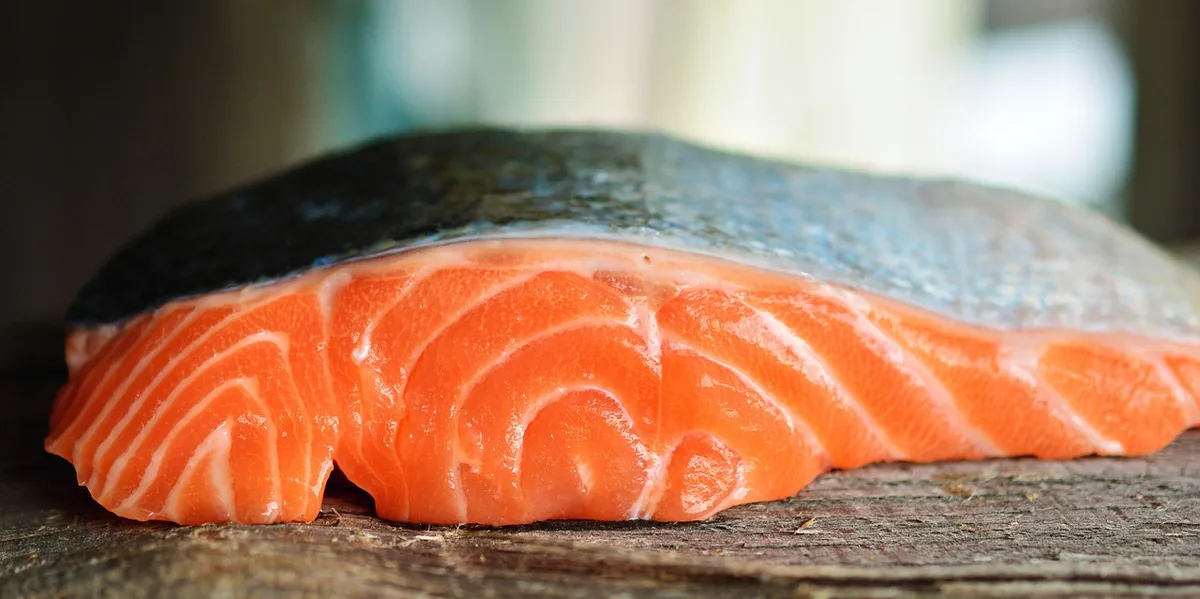
A whole side of salmon is not the same from end to end, and each part suits a different dish:
- Center-cut loin: the thick, even middle of the fillet. It gives neat, uniform slices, which makes it the best choice for sashimi and nigiri.
- Belly: the thin, fatty strip along the bottom edge. It is rich and melt-in-your-mouth, and lovely as sashimi or seared lightly with a torch.
- Tail end: thinner, leaner and a little more sinewy. It is perfect for dishes where the fish is diced or chopped, such as poke bowls, hand rolls and spicy salmon.
For about 4 people, 1 lb (450 g) of skinless salmon is plenty for sashimi as part of a meal, or for 4 poke bowls.
To slice it, make sure the fish is very cold, and use your longest, sharpest knife. Find the white lines of fat that run across the flesh and cut across them, not along them. Use one long, smooth pulling stroke for each slice instead of sawing back and forth, which tears the flesh. Aim for slices about ¼ inch (6 mm) thick for sashimi, or cut ¾ inch (2 cm) cubes for poke. Wipe the blade with a damp cloth between slices for clean edges.
Step by Step: How to Buy and Handle Salmon for Sushi
1. Buy from a seller who sells fish for raw eating
Japanese and other Asian markets, dedicated fishmongers, and reputable online seafood companies that ship frozen fish are the most reliable sources. Some supermarkets also sell salmon labeled for sushi or sashimi.
2. Ask three questions
- Is this salmon intended to be eaten raw?
- Is it farmed or wild?
- If it is wild, was it frozen to kill parasites, and when did it arrive?
A good fish counter will answer these questions easily. If they can’t, buy something else for raw use.
3. Check it with your eyes and nose
Fresh salmon should smell clean and mild, like the ocean, never fishy, sour or like ammonia. The flesh should be firm, moist and glossy, with no dry or brown edges and no gaps between the flakes. Frozen fish should be rock solid, with no large ice crystals or freezer burn inside the package.
4. Keep it cold on the way home
Make the fish your last stop, bring an insulated bag or cooler, and put it in the fridge at 40°F (4°C) or colder as soon as you get home. FDA advises using fresh seafood within 2 days of purchase. For raw eating, plan to serve it the day you buy it or the next day.
5. Thaw frozen salmon in the fridge
Thaw frozen sushi grade salmon overnight in the refrigerator, never on the counter. Read the package: many vacuum-sealed fish labels tell you to open or remove the packaging before thawing, because some bacteria can grow in airless packaging. Follow those directions.
6. Prep it cleanly and serve it cold
Wash your hands, and use a clean cutting board and a sharp knife that have not touched raw meat or poultry. Remove the skin and any pin bones, and slice the salmon across the grain. Keep it in the fridge until just before serving, and don’t leave raw fish out for more than 2 hours, or 1 hour on a hot day above 90°F (32°C).
Can You Eat Raw Salmon From the Grocery Store?
Sometimes, but only when it is sold for that purpose. A regular salmon fillet in the seafood case was handled to be cooked: it may have been cut on the same surfaces as other fish, kept for several days, and it may be wild salmon that was never frozen. Farmed Atlantic salmon has a low parasite risk, but that does not cover bacteria from handling.
If your store labels salmon for sushi or sashimi, or the staff confirm it is meant to be eaten raw, it is a reasonable choice. Otherwise, cook it to 145°F (63°C), the FDA’s recommended temperature for fish.
Common Mistakes to Avoid
- Trusting the label alone. “Sushi grade” is a marketing term. Ask how the fish was sourced and frozen.
- Using wild salmon that was never frozen. It can carry parasites.
- Relying on your home freezer. Most do not get cold enough to match the FDA conditions.
- Buying days ahead. Buy fish for raw eating close to when you will serve it.
- Thawing on the counter. Thaw in the fridge.
- Cross-contamination. Raw chicken or meat on the same board or knife can spread bacteria to fish you will not cook.
- Thinking citrus “cooks” the fish. Lime juice in ceviche changes the texture but does not kill parasites or bacteria the way heat does.
Food Safety Tips (FDA Guidelines)
The FDA says it is always safest to cook seafood. If you choose to eat it raw, a good rule of thumb is to eat fish that has been previously frozen. The FDA also advises these groups to avoid raw or undercooked fish and shellfish entirely:
- Pregnant people
- Young children
- Older adults
- People with weakened immune systems, such as transplant patients and people with HIV/AIDS, cancer or diabetes
Read more in the FDA’s guide to selecting and serving fresh and frozen seafood safely.
Easy Recipe to Try Next
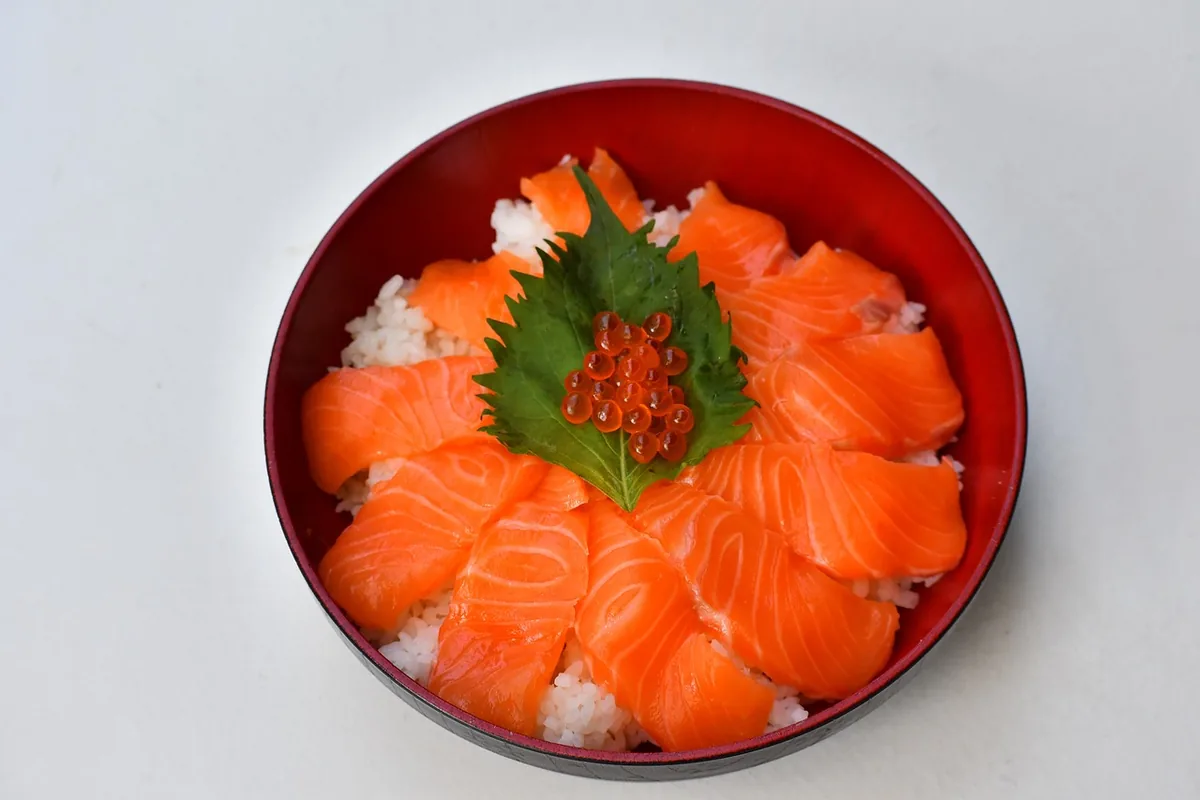
Ready to use your salmon? Our salmon poke bowl is the easiest way to enjoy sushi grade salmon at home: diced fish, seasoned rice, and a quick soy-sesame sauce. If you’d rather cook it, try these sweet and smoky candied salmon bites or our smoked salmon recipe. Storing other proteins this week? Here is how long ground beef lasts in the fridge. Find more ideas in our salmon recipes.
Sushi Grade Salmon FAQs
Is sushi grade salmon safe to eat raw?
It is usually safe for healthy adults when it comes from a reliable seller, was frozen to kill parasites or is pellet-fed farmed salmon, and is kept cold. No raw fish is completely risk free, which is why the FDA advises pregnant people, young children, older adults and people with weakened immune systems to avoid it.
What is the difference between sushi grade and sashimi grade?
There is no official difference. Both are unregulated marketing terms that sellers use for fish they consider suitable for eating raw.
Can I make salmon sushi grade by freezing it at home?
Not reliably. The FDA’s parasite-destruction guidance calls for -4°F (-20°C) or below for 7 days, or colder temperatures for shorter times. Most home freezers run at about 0°F (-18°C), and freezing also does nothing for fish that was not handled for raw eating.
Is farmed or wild salmon better for sushi?
Farmed Atlantic salmon raised on pelleted feed is the most common choice because of its low parasite risk and rich, buttery texture. Wild salmon has more flavor, but it should only be eaten raw after being frozen to FDA standards.
Can you eat raw salmon from the grocery store?
Only if it is labeled or confirmed as meant for raw eating. Regular fillets are handled for cooking and may be wild fish that was never frozen, so cook them to 145°F (63°C).
How long does sushi grade salmon last in the fridge?
For raw eating, serve it the day you buy it or the next day. FDA advises using fresh seafood within 2 days of purchase, kept at 40°F (4°C) or colder. Frozen sushi grade salmon should be eaten within a day of thawing in the fridge.


