
Blog
7 Easy Steps for a Delicious Beef Stew Stove Top Recipe

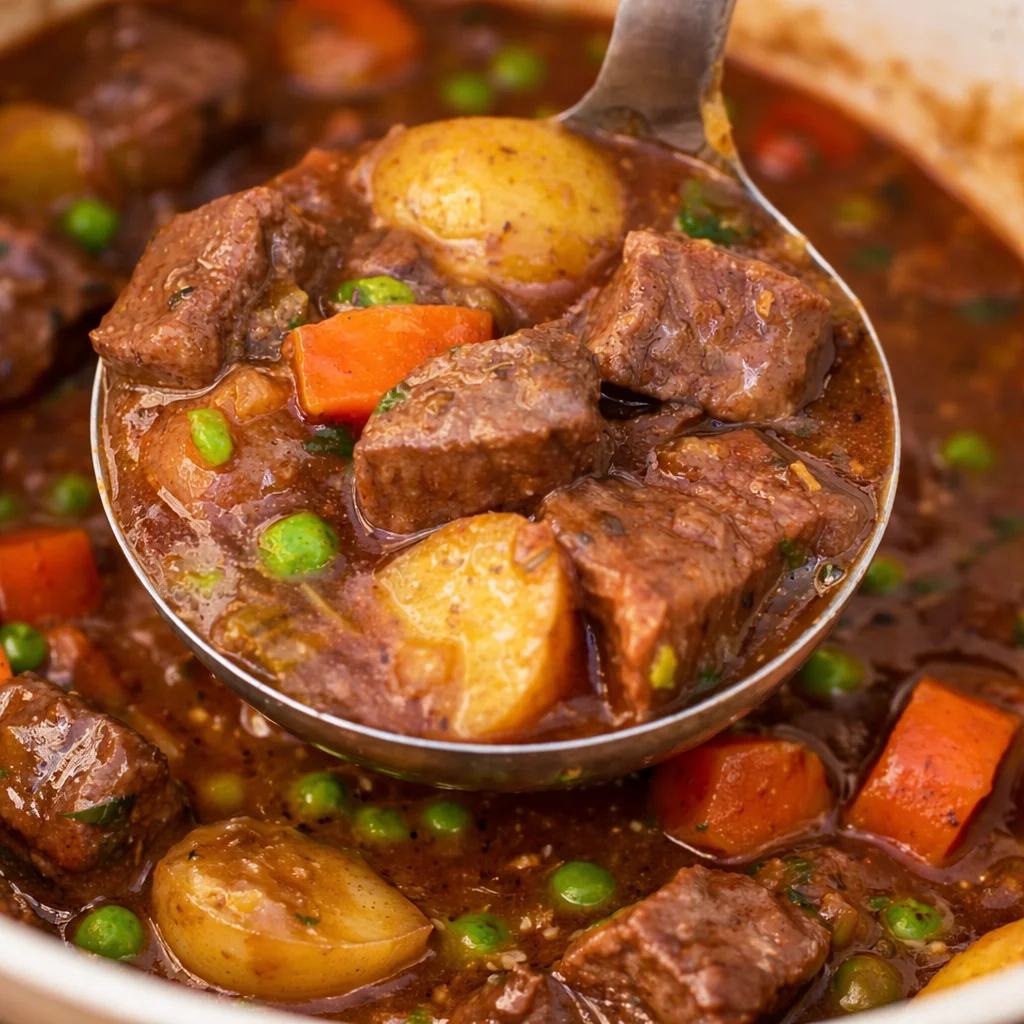
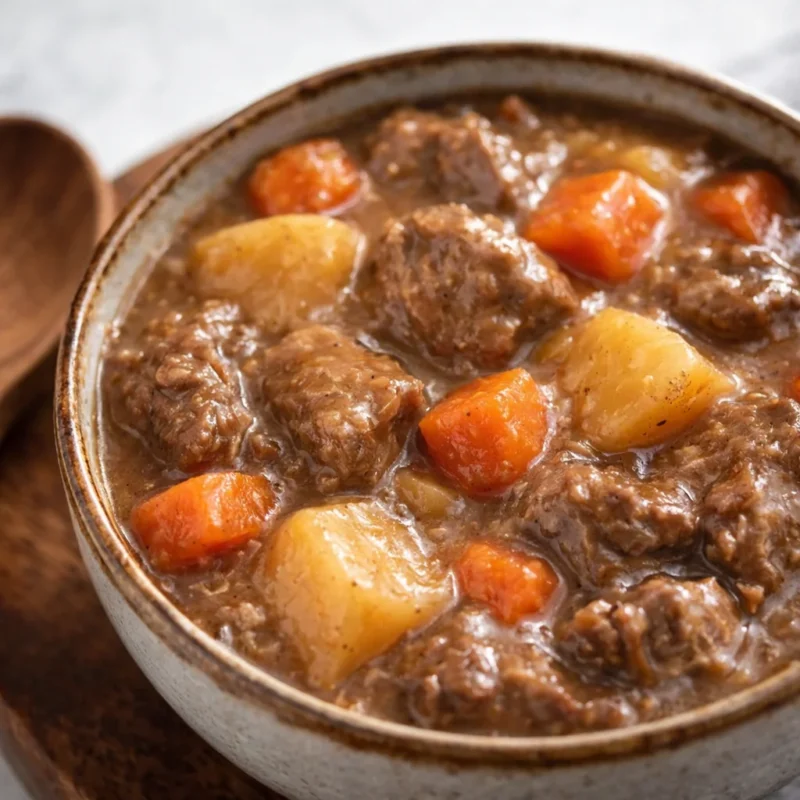
beef stew stove top recipe nights always seem to hit when I have zero energy and everyone is asking, what is for dinner. If you have ever stared into the fridge hoping a meal will magically appear, this is the cozy fix. This is the kind of stew that makes your kitchen smell like you have had your life together all day, even if you have not. I also love that it is a one pot situation, so cleanup is not a whole second project. If you want more comfort food ideas like this, I keep a running list in my beef recipes collection. 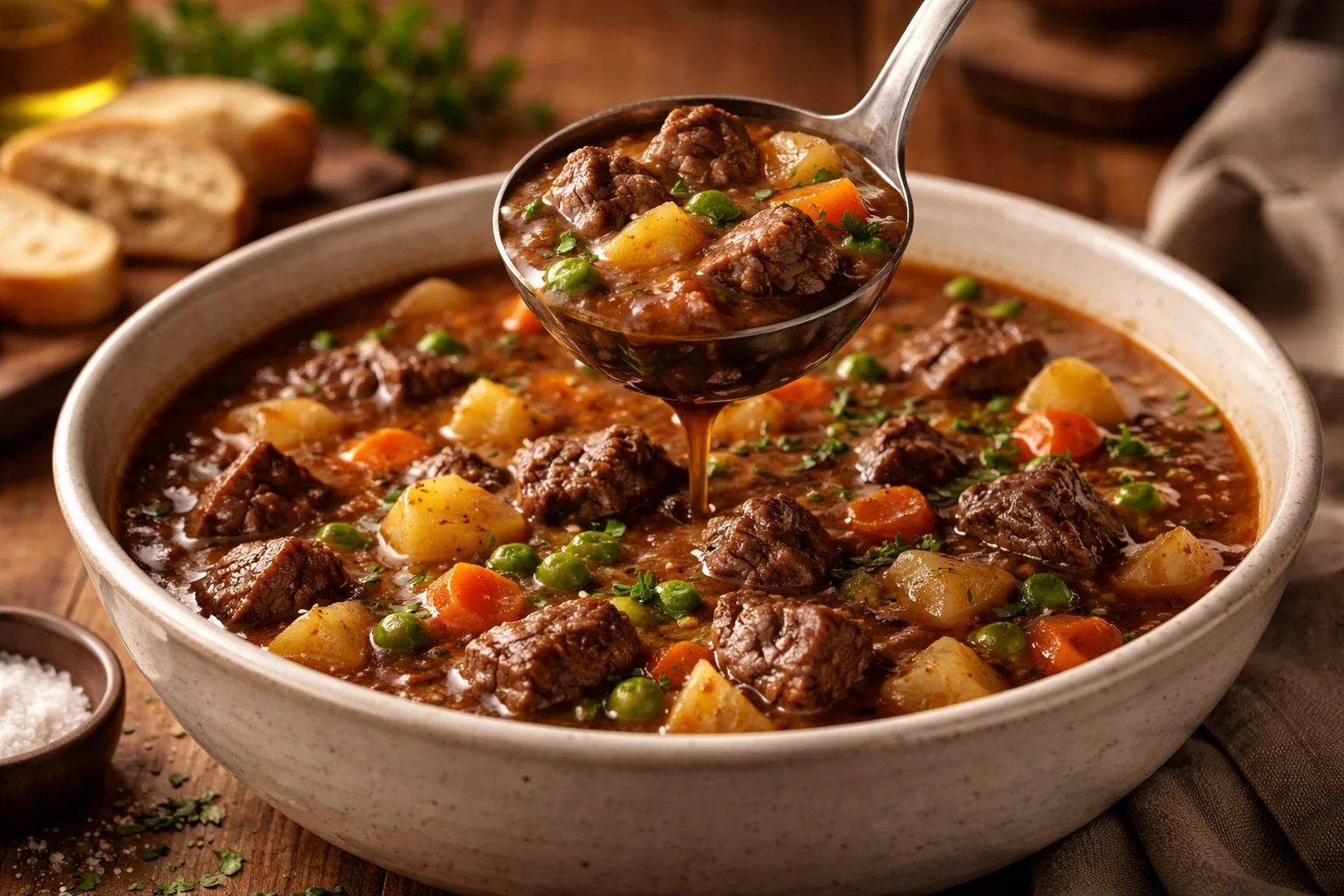
Choosing the Best Cut of Beef
The biggest secret to a really good beef stew is using the right beef. You do not need the most expensive cut, but you do need one that gets tender after a long simmer. If you pick something too lean, it can turn dry and kind of sad, and nobody wants that floating around in their bowl.
My go to picks for tender stew
Here is what I reach for at the store when I am making this beef stew stove top recipe:
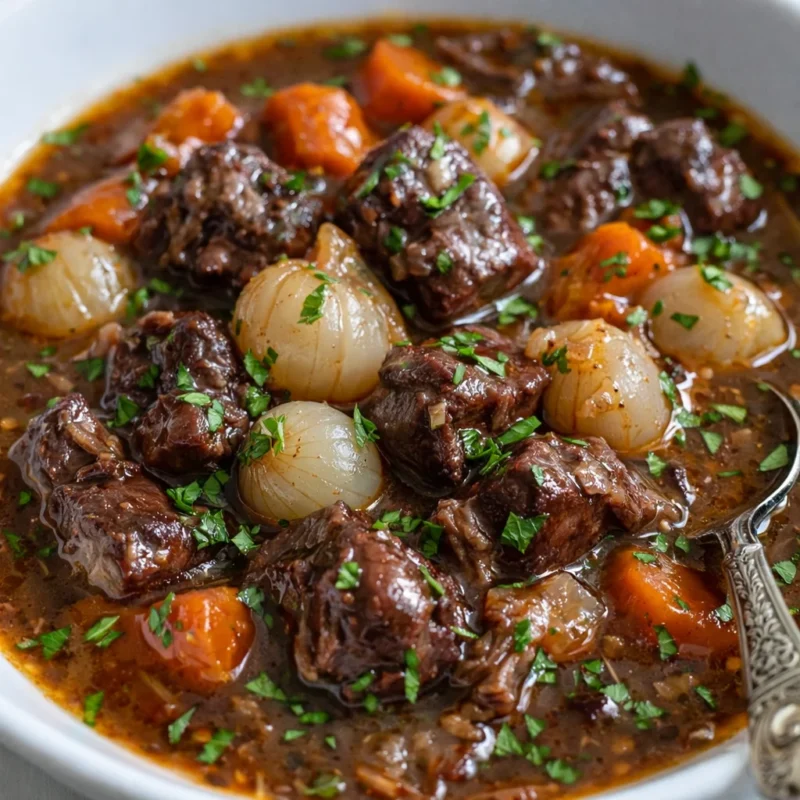
Chuck roast is my favorite. It has enough fat and connective tissue to melt into tenderness as it cooks. If the label says chuck roast, chuck steak, or shoulder, you are in the right zone. If you see pre cut stew meat, it can work, but it is a gamble because it can be a mix of different cuts.
Other decent options:
Bottom round if you want something a bit leaner, just be extra patient with simmering.
Brisket can be amazing if you find it on sale, but it is not always cheap.
One quick tip that helps every single time: cut your beef into similar sized chunks, about 1 to 1.5 inches. If the pieces are all over the place, some will be tough while others fall apart too early.
Also, do not skip browning. Browning is where the deep flavor comes from, and it is what makes your stew taste like it took way more effort than it did.
Essential Ingredients for Beef Stew
Let us keep it simple and realistic. You do not need a fancy pantry to pull off a cozy pot of stew. This ingredient list is flexible, and I will point out where you can swap things depending on what is in your kitchen.
What you will need
- Beef: 2 to 2.5 pounds chuck roast, cut into chunks
- Salt and pepper: do not be shy, this is where flavor starts
- Flour: 2 to 3 tablespoons, for light thickening and better browning
- Oil: 1 to 2 tablespoons, for browning
- Onion: 1 large, chopped
- Garlic: 3 to 4 cloves, minced
- Carrots: 3 to 4, peeled and chopped
- Potatoes: 3 medium, chopped
- Celery: 2 stalks, chopped (optional but nice)
- Tomato paste: 1 to 2 tablespoons for richness
- Beef broth: 4 cups, plus a splash more if needed
- Bay leaf: 1
- Dried thyme: 1 teaspoon
- Worcestershire sauce: 1 tablespoon (optional, but I love it)
If you are planning dessert too, I always peek at the cake recipes section for something easy to bake while the stew simmers. Or if you are doing meal planning for the week and want lighter proteins mixed in, the chicken recipes category is a good place to roam.
One more ingredient note: if you like a stew that is more savory than sweet, go easy on carrots and add a little extra onion and garlic. If you like it slightly sweeter and super cozy, keep the classic carrot amount.
Step-by-Step Cooking Instructions
This is the heart of it. The whole point of a beef stew stove top recipe is that it is straightforward and you do not need special equipment. Just a big pot with a lid and a little patience.
;
7 Easy Steps for a Delicious Beef Stew Stove Top Recipe
- Step 1: Prep and season the beef
Pat the beef dry with paper towels. Season generously with salt and pepper. Toss with flour so it gets a light coating. This helps with browning and gives the stew a gentle thickness later. - Step 2: Brown the beef in batches
Heat oil in a heavy pot over medium high heat. Brown the beef in batches so the pot is not crowded. If you crowd it, the beef steams and you miss out on that deep flavor. Transfer browned beef to a plate. - Step 3: Cook the onion and garlic
Turn the heat to medium. Add onion with a tiny splash of oil if the pot looks dry. Stir and scrape up the brown bits. Add garlic for the last 30 seconds so it does not burn. - Step 4: Add tomato paste and seasonings
Stir in tomato paste, thyme, and bay leaf. Let the paste cook for about a minute. It should smell richer and less sharp. - Step 5: Pour in broth and build the base
Slowly pour in beef broth while scraping the bottom of the pot. Add Worcestershire if you are using it. Bring it up to a gentle bubble. - Step 6: Simmer the beef until it starts turning tender
Add the browned beef back in, along with any juices on the plate. Cover and simmer on low for about 60 minutes. You want a lazy simmer, not a hard boil. - Step 7: Add vegetables and finish
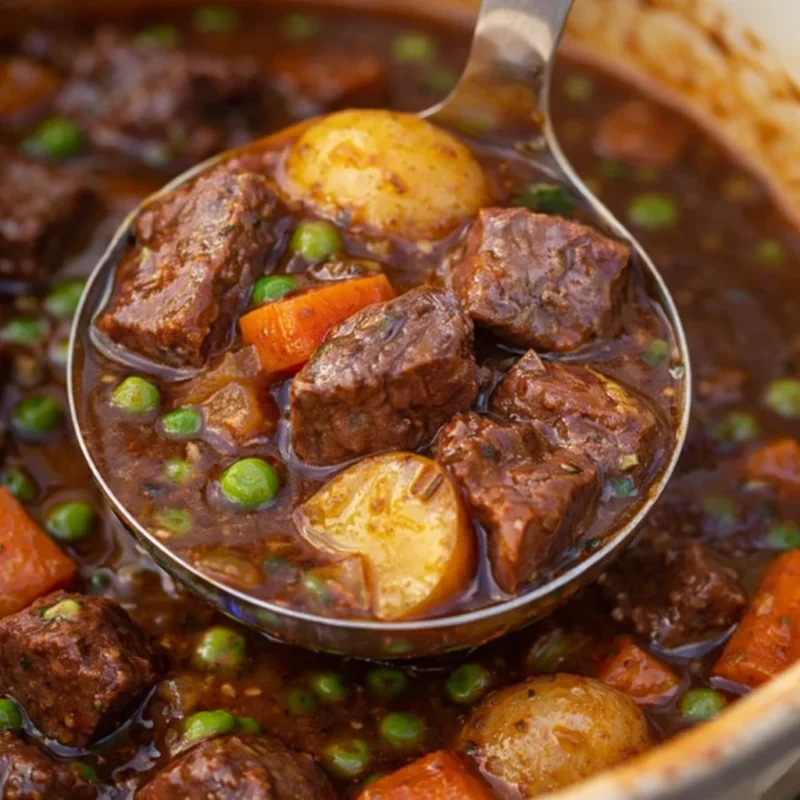
Add carrots, potatoes, and celery. Cover and simmer another 30 to 45 minutes until the potatoes are tender and the beef is fork soft. Taste and adjust salt and pepper. If it needs more thickness, simmer uncovered for 10 minutes, stirring now and then.
I like to let the pot sit for 10 minutes before serving. The stew settles, thickens slightly, and tastes more pulled together. If you are cooking for only two people, you can still make the full amount and enjoy leftovers. Honestly, next day stew is the reward.
Tips for Perfecting Your Beef Stew
This is where the small moves make a big difference. I have made every mistake with stew, from rushing the simmer to over salting at the end. Here is what actually helps.
Keep the simmer gentle. A hard boil can make beef tougher. Low and steady wins the whole situation.
Do not rush the vegetables. If you add potatoes too early, they can break down and get grainy. Add them after the beef has had time to soften.
Season in layers. Salt the beef, then taste near the end too. Broths vary a lot in saltiness, so it is safer to adjust late.
Fix a stew that is too thin. Simmer uncovered, or mash a few potato pieces against the side of the pot and stir them back in. It thickens naturally without extra ingredients.
Fix a stew that tastes flat. Add a little Worcestershire, a tiny squeeze of lemon, or even a splash of vinegar. Acid wakes it up, but go slow.
“I made this last weekend and my picky kid actually asked for seconds. The broth was rich, the beef was tender, and it tasted even better the next day.”
If you are stocking your freezer with easy dinners, you might like this list of quick tasty ground chicken recipes for busy nights too. Different vibe than stew, but same goal: dinner without stress.
Suggested Sides to Serve With Beef Stew
Beef stew is already a full meal, but I love adding one simple side so it feels a little special. Plus, something to soak up that broth is never a bad idea.
- Crusty bread or warm rolls for dipping
- Butter noodles if you want something extra filling
- Rice, especially if your stew is very brothy
- Simple salad with a tangy dressing to balance the richness
- Roasted green beans or peas for a pop of green
And if you are the kind of person who likes a sweet ending after a savory dinner, I have a soft spot for an easy slice of vanilla cake. It is low effort and feels homey, which is exactly the same energy as stew night.
Common Questions
1) How long does this take on the stove?
Plan for about 2 hours total, including browning, simmering, and finishing with vegetables. If you want the beef super tender, give it a little longer on low.
2) Can I make this beef stew stove top recipe without flour?
Yes. Skip the flour and just simmer uncovered at the end to thicken. Or mash a few potatoes into the broth.
3) What if my beef is still tough?
It usually just needs more time. Keep it at a gentle simmer and check again in 20 to 30 minutes. Tough beef is often undercooked, not overcooked.
4) Can I add wine?
Absolutely. Replace about 1 cup of broth with red wine. Let it simmer a bit after adding so the flavor mellows.
5) How do I store leftovers?
Cool it, then store in an airtight container in the fridge for up to 4 days. It also freezes well for about 3 months.
A cozy pot of dinner you will make again
If you try this beef stew stove top recipe, I really think it will land in your regular rotation, especially when you want comfort without a ton of fuss. The steps are simple, the ingredients are familiar, and the payoff is that rich, savory bowl that tastes like home. Next time you make it, double the batch so tomorrow you can heat up leftovers and feel like you did future you a favor. And truly, do not overthink it, just keep the simmer gentle and let the pot do the work.